


How to Turn Off iOS 27's Liquid Glass Design?
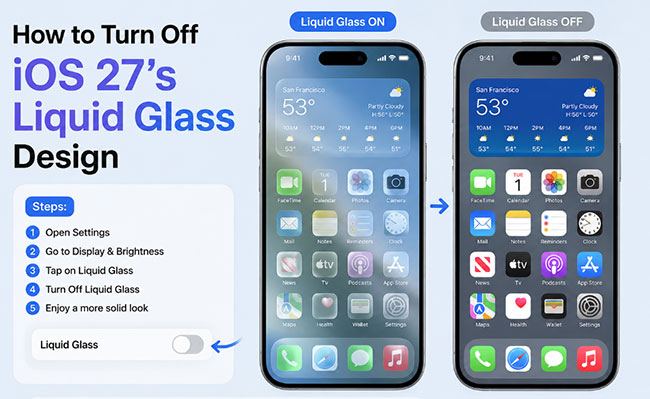
Apple's new Liquid Glass design in iOS 27 introduces a sleek, translucent interface with layered visual effects. While many users enjoy its modern look, others may prefer a simpler, more traditional appearance for better readability or reduced visual distractions. In this guide, we'll show you how to turn off or reduce the iOS 27's Liquid Glass effect and customize your iPhone's interface to better match your preferences.
What Is the iOS 27 Liquid Glass Design?
The Liquid Glass design in iOS 27 is Apple's visual interface style, featuring translucent menus, glass-like buttons, dynamic lighting effects, and smoother animations throughout the system. Inspired by the look of real glass, the new design creates a more immersive and modern experience by adding depth and subtle motion to app icons, widgets, and system controls.
While the refreshed appearance makes iOS feel more vibrant and futuristic, some users may find the increased transparency and visual effects distracting or harder to read. Fortunately, Apple provides accessibility options that can reduce these effects for a cleaner, more traditional interface.
 View Also:
 How to Reduce the Liquid Glass Effect in iOS 27
Apple doesn't provide a one-tap switch to completely turn off the Liquid Glass design in iOS 27. However, you can reduce the transparency and make the interface easier to read by adjusting a few accessibility and Home Screen settings.
Method 1. Turn On Reduce Transparency
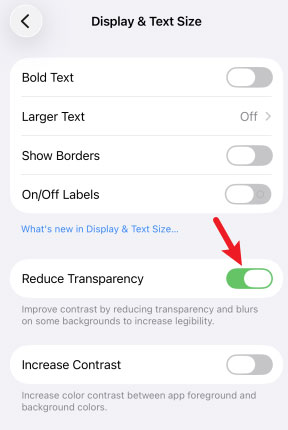
This is the most effective way to minimize the Liquid Glass effect across the system. It replaces many translucent backgrounds with more solid ones, improving readability in Control Center, folders, and menus.
- Step 1. Open Settings on your iPhone.
- Step 2. Go to Accessibility → Display & Text Size.
- Step 3. Turn on Reduce Transparency.
- Step 4. Once enabled, iOS will add darker backgrounds behind interface elements such as Control Center, app folders, and pop-up menus.
- Step 5. (Optional) Tap Accessibility Shortcut and add Reduce Transparency for quicker access from the Control Center.
 Note
Note
This setting does not fully restore the pre–iOS 27 appearance. It keeps the overall Liquid Glass style, but with significantly less translucency.
Extra Contrast Options:
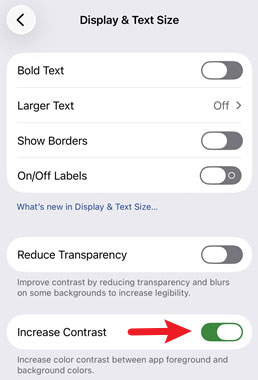
If text and icons still appear difficult to read, return to Settings → Accessibility → Display & Text Size and turn on Increase Contrast option.
Using Reduce Transparency and Increase Contrast together can make the interface look much more solid and reduce most of the glass-like visual effects.
Method 2. Change the Home Screen Icon Style
If you want to tweak the transparency of the Liquid Glass design, you can try the "Clear Look" theme. This lets the background show through while keeping your icons stylishly transparent. Follow these steps:
- Step 1. Press and hold an empty area on the Home Screen until the icons start to jiggle.
- Step 2. Tap Edit in the top-left corner. Select Customize.
- Step 3. Choose Clear or Dark to keep the transparent icon style while adding a darker background for better visibility.
- Step 4. Or select Auto to let the icon appearance switch automatically between Light and Dark modes.
- Step 5. Tap anywhere outside the menu to apply the new icon style.

Note
Changing the icon style only affects the appearance of app icons. It does not disable the Liquid Glass effect in Control Center, notifications, or other system menus.
Method 3. Downgrade to a Previous iOS Version (Last Resort)
If you don't like the Liquid Glass design and want to remove it completely, downgrading to an earlier version of iOS is the only effective solution. This option is best for users who installed the iOS 27 beta and prefer the previous interface. Keep in mind that Apple only allows downgrades to iOS versions that are still being signed. Before you begin, back up your iPhone to avoid losing important data.
If you're looking for an easier way to downgrade your iPhone, TunesKit iOS System Recovery can help. It lets you reinstall a supported iOS version without jailbreaking and also fixes common iOS issues such as update failures, Apple Intelligence stuck on downloading, frozen screens, and devices stuck on the Apple logo. It can also fix iTunes errors for free, enter or exit Recovery Mode in 1-click, and factory reset your iPhone or iPad without a passcode.
One-click to Downgrade iOS
Downgrade iOS 27 Beta to iOS 26 without jailbreak and explore the latest iOS Beta version without developer account.
 600,000+ Downloads
Here's a step-by-step guide to downgrade iOS 27 Beta to iOS 26 using TunesKit iOS System Recovery.
Step 1. Launch TunesKit and Select Downgrade Option
First of all, download, install, and launch this software on your PC. Connect your iPhone to your computer using a reliable USB cable. Select Upgrade/Downgrade iOS on the main screen. On the next page, select iOS downgrade to continue.

Step 2. Download the iOS 26 Firmware
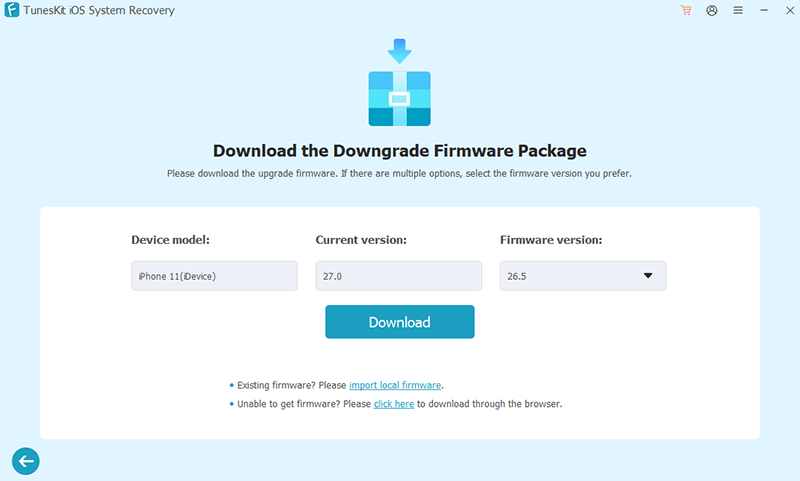
TunesKit will display a list of signed iOS firmware versions that are available for your specific iPhone model. From the provided options, select the available iOS 26 version. After selecting the correct firmware, click the "Download" button. The software will then download the necessary IPSW file.
Step 3. Start the Downgrade Process
Once the firmware download is complete, you will be ready to begin the downgrade. Click on the "Start Downgrade" button to initiate the process. TunesKit will begin installing iOS 26 on your iPhone. It is critical that you do not disconnect your device from the computer during this process.
Once it is finished, your iPhone will restart automatically and will be running on the stable version of iOS 26. You can then proceed to set up your device. By following these steps, you can successfully downgrade your iPhone from the iOS 27 Beta to iOS 26 and remove the "liquid glass design."

Pros and Cons of Liquid Glass
 Pros:
Pros:- Modern & Stylish Look – The glossy, layered effect gives iOS a fresh and futuristic appearance.
- Consistency with vision OS – Matches the design language of Apple's Vision Pro, creating a unified ecosystem.
- Depth & Dimension – Transparency and blur effects add a sense of depth, making UI elements more interactive.
- Dynamic Visuals – Animations and transitions feel smoother and more fluid.
 Cons:
Cons:- Reduced Readability – Translucent elements can make text harder to read, especially over busy backgrounds.
- Too Flashy for Some Users – Not everyone likes the glossy, glass-like aesthetic.
- Inconsistent in Apps – Third-party apps may not fully adapt at first, causing a mixed visual experience.
- Accessibility Concerns – Users with visual impairments may find it distracting or straining.
- Limited Control – Apple doesn't offer an "off" switch; users can only reduce the effect through Accessibility settings.
FAQs About iOS 27 Liquid Glass Design
-
What changed from the original Liquid Glass design?
The first version of Liquid Glass received mixed reactions because some users found certain transparent elements harder to read. iOS 27 focuses less on a dramatic redesign and more on refinement.
Major changes like better background diffusion behind glass elements, stronger visual separation around controls, improved contrast for navigation and buttons, and more polished icon rendering.
-
Are app icons changing in iOS 27?
Yes. Apple refined Liquid Glass app icons by improving layering, separation, and clarity. The goal is to address complaints that earlier glass-style icons could appear blurry or lack definition at smaller sizes.
-
Can I adjust the Liquid Glass effect in iOS 27?
Yes. iOS 27 introduces more customization through a Liquid Glass adjustment control that lets users choose how transparent or tinted the interface appears.
Users can choose a look closer to the more transparent glass — stronger depth and reflections; Balanced glass — Apple's intended default style; and a more tinted/opaque appearance — improved readability.
-
Why did Apple introduce Liquid Glass?
Apple designed Liquid Glass to create a more unified appearance across its platforms, including iPhone, iPad, Mac, Apple Watch, and Apple TV. The goal is to add depth and hierarchy while keeping interfaces consistent.
Conclusion
The new Liquid Glass design in iOS 27 introduces a glossy, translucent look that not everyone enjoys. While you can't fully disable it, settings like Reduce Transparency, Increase Contrast, and optional themes such as Clear Look help tone it down for better readability. For users who prefer the old interface entirely, TunesKit iOS System Recovery offers a simple way to downgrade iOS without jailbreaking—letting you roll back from iOS 27 to a previous version safely and reliably.