iPad Touch Screen Not Working? 9 Ways to Fix It
Is your iPad touch screen not working or responding to your taps and swipes? Whether the screen is completely unresponsive, freezes occasionally, or only works in certain areas, the issue may be caused by software glitches, screen protectors, or hardware problems. In this guide, we'll explain the possible causes and walk you through 9 ways to fix an unresponsive iPad touch screen, including solutions you can try when you can't use the screen at all.

- Video Tutorial: How to Fix iPad Touch Screen Not Working
- Why Is My iPad Touch Screen Not Working?
-
How to Fix iPad Touch Screen Not Working? 9 Solutions
- Tip 1. Clean Your iPad Screen
- Tip 2. Remove the Case, Screen Protector, and Accessories
- Tip 3. Force Restart Your iPad
- Tip 4. Check Touch Accommodations Settings
- Tip 5. Free Up Storage Space on Your iPad
- Tip 6. Update Your iPad to the Latest iPadOS
- Tip 7. Reset All Settings on Your iPad
- Tip 8. Repair iPadOS with TunesKit iOS System Recovery HOT
- Tip 9. Check for Hardware Damage and Get Professional Help
- Conclusion
Video Tutorial: How to Fix iPad Touch Screen Not Working
Watch the video below to learn how to fix an unresponsive iPad touch screen. For more detailed solutions and step-by-step instructions, check out the sections below.
Why Is My iPad Touch Screen Not Working?
Several factors can cause your iPad touch screen to stop working or become unresponsive. Here are some common reasons:
- 01 iPadOS issues: Software glitches, failed updates, or system errors can sometimes cause your iPad screen to freeze or stop responding to touch. Running an outdated version of iPadOS may also leave known bugs unresolved.
- 02 Extreme temperatures: Using your iPad in extremely hot or cold environments can affect its performance. If the device overheats, certain features may become temporarily unavailable until it cools down.
- 03 App-related problems: A buggy or unresponsive app may cause your iPad to freeze, making it seem like the touch screen isn't working. This is especially likely if the problem occurs only when using a specific app.
- 04 Screen protectors or dirt: Dust, moisture, or an improperly fitted screen protector may interfere with touch sensitivity, causing your iPad screen to respond inconsistently.
- 05 Hardware damage: Accidental drops, liquid exposure, or damage to internal display components can also cause the touch screen to stop working, either partially or completely.
How to Fix iPad Touch Screen Not Working? 9 Solutions
If your iPad touch screen is not working, don't rush to get it repaired. The issue may be caused by something as simple as a dirty screen or a temporary software glitch. Below are 9 troubleshooting methods, arranged from the easiest fixes to more advanced solutions.
Tip 1. Clean Your iPad Screen
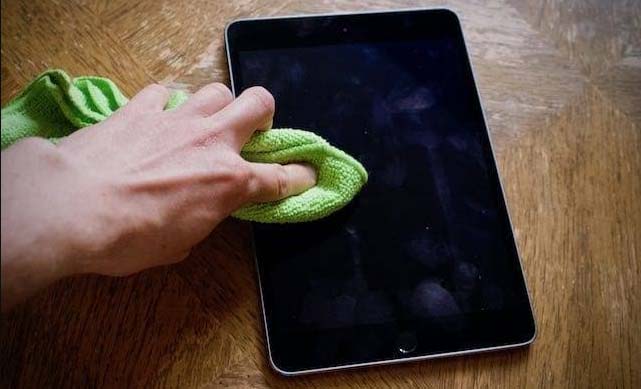
Dust, moisture, and fingerprints on your iPad screen may interfere with touch sensitivity, causing the screen to respond inaccurately or intermittently. Cleaning the screen is one of the easiest things to try.
- Step 1. Disconnect any cables and turn off your iPad if possible.
- Step 2. Use a soft, slightly damp, lint-free cloth to gently wipe the screen.
- Step 3. Make sure the screen and your fingers are clean and dry, then check whether the touch screen responds normally.
 Note
Avoid spraying cleaning products directly onto your iPad or using abrasive materials that could damage the display.
Tip 2. Remove the Case, Screen Protector, and Accessories
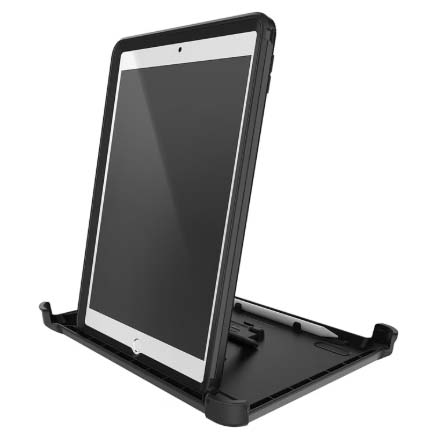
Sometimes, an improperly fitted case or screen protector can interfere with your iPad's touch response. Certain connected accessories or charging equipment may also contribute to touchscreen problems.
- Step 1. Remove the protective case from your iPad.
- Step 2. Carefully remove the screen protector, especially if it's damaged, lifting, or improperly installed.
- Step 3. Disconnect any charging cables, USB-C hubs, or other wired accessories.
- Step 4. Test the touch screen again. If it works normally, reconnect the accessories to identify the possible cause.
If the problem occurs only while charging, try a different compatible charger or cable.
Tip 3. Force Restart Your iPad
If your iPad touch screen is completely unresponsive or frozen, a force restart may help clear temporary system glitches. This method doesn't require you to use the touch screen and won't erase your personal data.
The steps vary depending on whether your iPad has a Home button.
For an iPad with a Home button:
- Step 1. Press and hold the Home button and the Top button simultaneously.
- Step 2. Keep holding both buttons until the Apple logo appears.
- Step 3. Release the buttons and wait for your iPad to restart.

For an iPad without a Home button:
- Step 1. Quickly press and release the Volume Up button.
- Step 2. Quickly press and release the Volume Down button.
- Step 3. Press and hold the Top button until the Apple logo appears, then release it.

Once your iPad restarts, check whether the screen responds to taps and swipes.
Tip 4. Check Touch Accommodations Settings
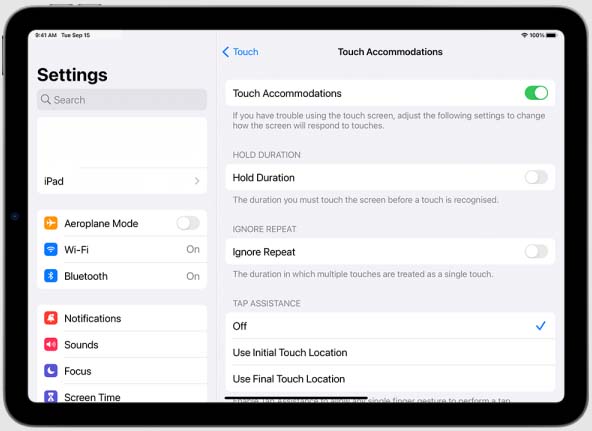
If your iPad responds slowly to taps or doesn't recognize certain gestures, check the Touch Accommodations settings. This feature changes how your iPad recognizes touches, and certain configurations may make the screen appear unresponsive.
- Step 1. Open Settings on your iPad.
- Step 2. Go to Accessibility > Touch > Touch Accommodations.
- Step 3. If Touch Accommodations is enabled, review settings such as Hold Duration and Ignore Repeat. Try turning Touch Accommodations off temporarily to see whether touch response improves.
- Step 4. Test the screen again and adjust the settings according to your needs.
Note
Touch Accommodations is designed to help users with specific touch-control needs. Enabling it isn't a general fix for a faulty touchscreen. If you rely on these accessibility features, avoid changing them without considering your needs.
Tip 5. Free Up Storage Space on Your iPad
Insufficient storage can slow down your iPad and cause apps or system processes to freeze. If your touch screen is responding slowly rather than failing completely, freeing up storage may improve overall performance.
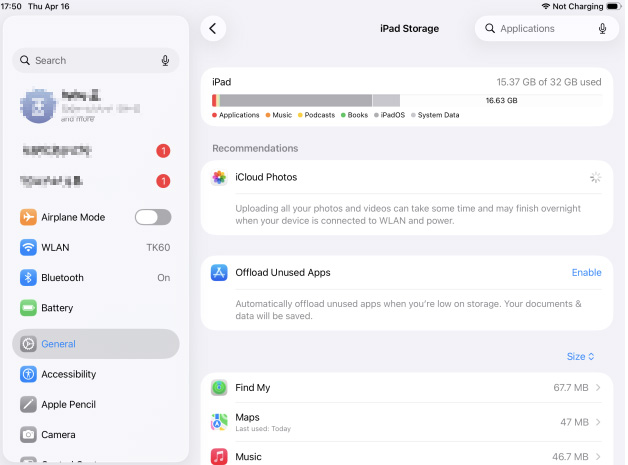
- Step 1. Open Settings and go to General > iPad Storage.
- Step 2. Check how much available storage remains on your device.
- Step 3. Review the storage recommendations and offload unused apps, if appropriate.
- Step 4. Remove unnecessary downloads, videos, or other files to create more free space.
- Step 5. Restart your iPad and check whether its responsiveness improves.
Note
Offloading an app keeps its documents and data, while deleting an app removes the app and its associated data. Back up important files before deleting them.
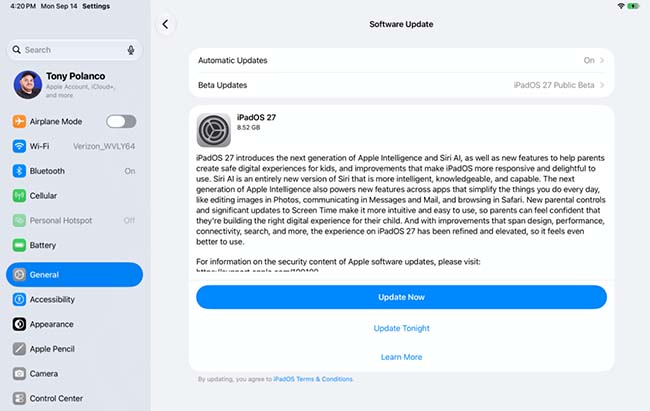
Tip 6. Update Your iPad to the Latest iPadOS
An outdated version of iPadOS may contain software bugs that affect your device's performance. Installing an available update can resolve known system issues and improve stability.
- Step 1. Connect your iPad to a stable Wi-Fi network and make sure it has sufficient battery power.
- Step 2. Go to Settings > General > Software Update.
- Step 3. If an update is available, tap Download and Install and follow the onscreen instructions.
- Step 4. Wait for the update to finish, then check whether your iPad touch screen works properly.
Note
If your screen is completely unresponsive, you may be able to update your iPad using a Mac or Windows computer. Back up your data before updating whenever possible.
Tip 7. Reset All Settings on Your iPad
Incorrect or corrupted system settings can sometimes cause unexpected behavior. If your iPad touch screen still isn't working properly after trying the previous methods, you can consider resetting all settings.
Reset All Settings doesn't delete your photos, apps, or personal files. However, it restores many system preferences to their defaults, so you may need to configure them again. Make sure you select Reset All Settings rather than Erase All Content and Settings option.
- Step 1. Open the Settings app on your iPad.
- Step 2. Go to General > Transfer or Reset iPad.
- Step 3. Tap Reset > Reset All Settings.
- Step 4. Enter your passcode if prompted, confirm the action, and wait for the process to finish.
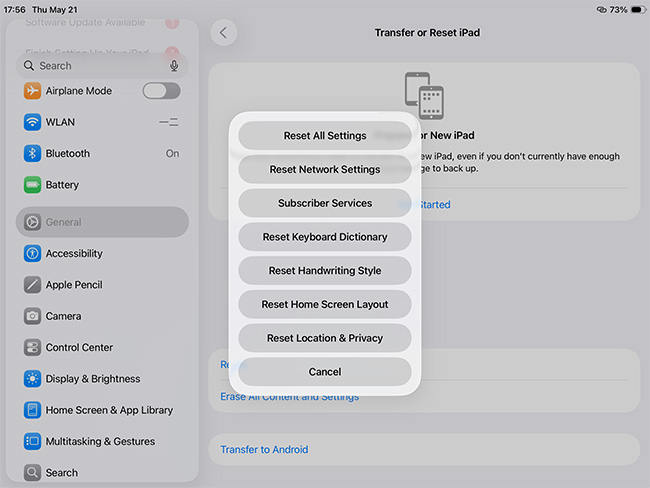
Afterward, test your touch screen to see whether the problem has been resolved.
Tip 8. Repair iPadOS with TunesKit iOS System Recovery
It's useful for you to use an iOS system recovery to fix the problems caused by iOS issues. Here I will recommend you to use TunesKit iOS System Recovery to fix your problem. It can fix more than 150 iOS issues like iPhone won't update apps, the iPad won't charge. TunesKit can help you fix this problem in seconds without the complicated operation of backing up. You just need to do three simple steps and fix your problem without any data loss.
Key Features of TunesKit iOS System Recovery
Helps troubleshoot various software-related iPhone and iPad problems. & Offers Standard Repair, which is designed to preserve existing data.
 600,000+ Downloads
Here are the detailed steps on fixing the iPad touch screen not working with TunesKit.
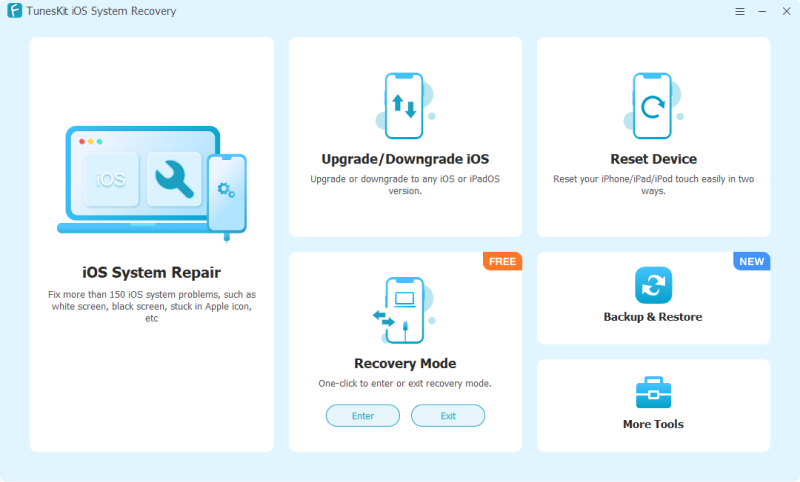
Step 1. Open TunesKit and Connect You iPhone to PC
First, you should open TunesKit on your computer. Then connect your phone with computer via a USB cable. After the computer has detected your phone, choose the iOS System Repair option and press Start.
Step 2. Select A Mode
TunesKit will provide you two modes. To fix the iPad touch screen, you should choose the Standard Repair mode first.

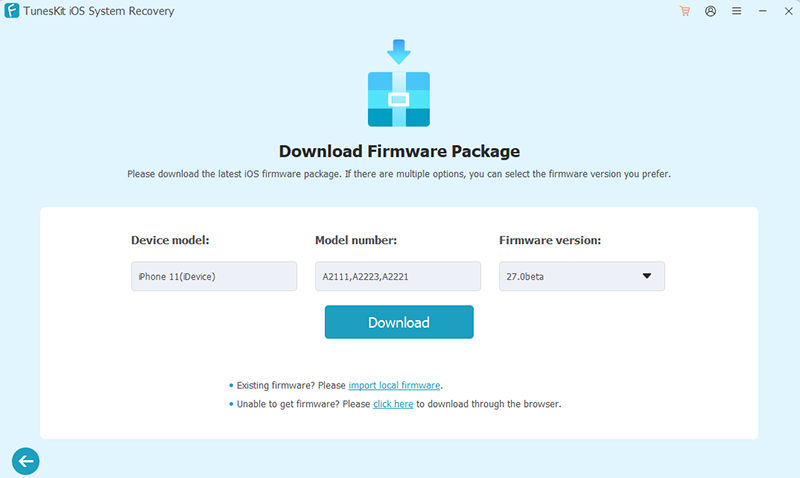
Step 3. Download the Firmware Package
You should confirm that the device info is correct before you download the firmware package. Once confirmed, click the Download button.
Step 4. Fix iPad Touch Screen Not Working
After your firmware package was downloaded, then you should click the Repair button and the software will automatically fix your problem.

Tip 9. Check for Hardware Damage and Get Professional Help
If none of the above methods works, your iPad may have a hardware problem. A damaged touchscreen, internal connector, or other component can cause the entire display—or only certain areas—to stop responding.
Hardware damage is particularly worth investigating if your iPad was recently dropped, exposed to liquid, or developed visible screen damage.
- Step 1. Inspect the screen for cracks, discoloration, or other visible signs of damage.
- Step 2. Check whether the issue consistently affects the same area of the screen, such as the top, bottom, or one half.
- Step 3. If the screen remains unresponsive, contact Apple Support or an Apple Authorized Service Provider for professional diagnosis and repair.

Conclusion
If your iPad touch screen is not working, try the 9 solutions above, starting with simple fixes like cleaning the screen or force restarting your iPad. For software-related issues, TunesKit iOS System Recovery may help repair iPadOS without data loss using its Standard Repair mode, although backing up your data is recommended. If the problem persists, consider seeking professional help. Feel free to share your questions or experiences in the comments below.