


Liquid Detected In Lightning Connector But Not Wet? Top 6 Ways Here
The "Liquid Detected in Lightning Connector" alert is a built-in safety feature designed to prevent damage when moisture is detected in your iPhone's charging port. While this warning often appears after exposure to water or humidity, it can sometimes show up even when the device isn't wet.
If you're wondering why your iPhone says liquid detected in lightning connector but not wet, you've come to the right place. This guide covers the common causes of the warning and provides step-by-step solutions to help you fix the issue safely and quickly.

What Does "Liquid Detected in Lightning Connector" Mean?
The "Liquid Detected in Lightning Connector" warning appears when your iPhone detects moisture in the Lightning port (the charging port at the bottom of the device) or in a connected Lightning accessory.
This is a built-in feature designed to prevent electrical damage and corrosion. In some cases, the alert may appear even when the port looks dry, which can be caused by residual moisture, condensation, or a temporary system detection issue.
What Should You Do If Your iPhone Gets Wet?
Many modern iPhone models are water-resistant, but water can still cause problems if it enters the charging port. If your iPhone gets wet, follow these steps:
- 01 Disconnect all accessories: Unplug any charging cables, headphones, or other connected accessories immediately.
- 02 Remove excess liquid: Hold the iPhone with the Lightning port facing downward and gently tap it against your hand to help drain any liquid.
- 03 Let it air dry: Place the iPhone in a dry, well-ventilated area and leave it untouched for at least 30 minutes.
- 04 Test the port: After drying, reconnect a Lightning cable or accessory and check whether the warning disappears.
- 05 Wait longer if needed: If the warning still appears, moisture may remain inside the port. Continue air-drying the device and wait up to 24 hours before testing again.
6 Ways to Fix the "Liquid Detected" Error When Your iPhone is Dry
Seeing a "liquid detected in Lightning connector" alert when your phone is completely dry can be confusing. Fortunately, this is often just a functional error or software glitch. You can usually resolve this false alarm with a few straightforward troubleshooting methods, arranged below from the simplest fix to the most advanced.
Method 1: Force Restart Your iPhone
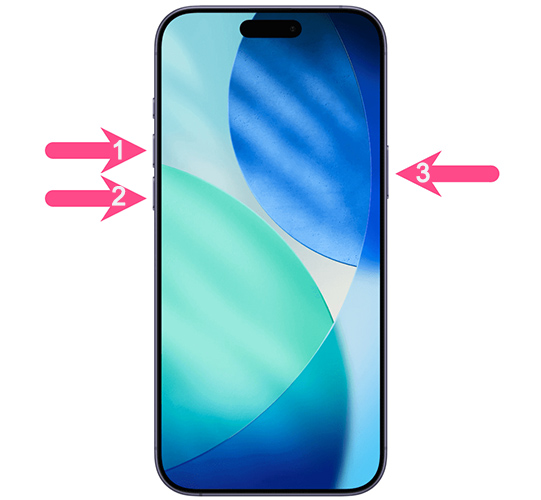
A quick restart is a tried-and-true solution for clearing temporary technical glitches. The method for forcing a restart varies depending on the specific operating system and hardware generation you are using. For an iPhone 8, iPhone SE (2nd Gen), or any newer model, the process requires a specific sequence of button presses.
- Step 1. First, swiftly press and release the Volume Up button.
- Step 2. Next, do the exact same with the Volume Down button.
- Step 3. Finally, press and hold the Side button until the Apple logo appears on your screen.
Method 2: Update Your iOS System
Minor iOS upgrades are usually sufficient to resolve persistent bugs and display glitches on your device. Even if a recent update caused this specific notice to appear, Apple frequently releases quick patches to provide a remedy. The update procedure remains identical regardless of which iPhone model you currently own.
- Step 1. Connect your phone to a reliable electrical outlet.
- Step 2. Open the Settings app and tap on General.
- Step 3. Select Software Update, then tap the Update Now button. Wait patiently for iPhone to finish the update, once reboot, your iPhone will run the latest iOS version.

Method 3. Fix False Liquid Detection Alerts via TunesKit iOS System Recovery
If the "Liquid Detected in Lightning Connector" warning continues to appear even after your iPhone is completely dry, the issue may be related to an iOS system glitch rather than actual moisture. In this case, TunesKit iOS System Recovery can help diagnose and repair underlying system issues that may be triggering false liquid detection alerts. The software is designed to fix a wide range of iOS problems, including iPhone stuck in Recovery Mode, DFU Mode, Apple logo loops, black screens, and other system-related errors.
With its Standard Repair Mode, you can resolve most iOS/iPadOS issues without data loss. In addition, TunesKit supports repairing iTunes errors with a single click and allows users to downgrade iOS 27 to iOS 26 with ease.
Quickly Fix False "Liquid Detected" Alerts
If your iPhone keeps showing the "Liquid Detected in Lightning Connector" warning even when the port is completely dry, TunesKit iOS System Recovery can repair underlying iOS system glitches without causing data loss.
 600,000+ Downloads
600,000+ Downloads
600,000+ Downloads
Now, let's see how to fix liquid detected in lightning connector but not wet using this tool.
Step 1Connect iPhone to Computer
Download and install TunesKit iOS System Recovery on your iPhone. Then, connect your iPhone to the computer. Click on the Repair iOS System option and hit on the Start button.

Step 2Select a Mode
To get rid of the liquid detected in lightning connector message, the Standard Repair mode is the best choice. If you are going to use the Deep Repair mode, all your iPhone content and data will be removed after repair.

Step 3Download Firmware Package
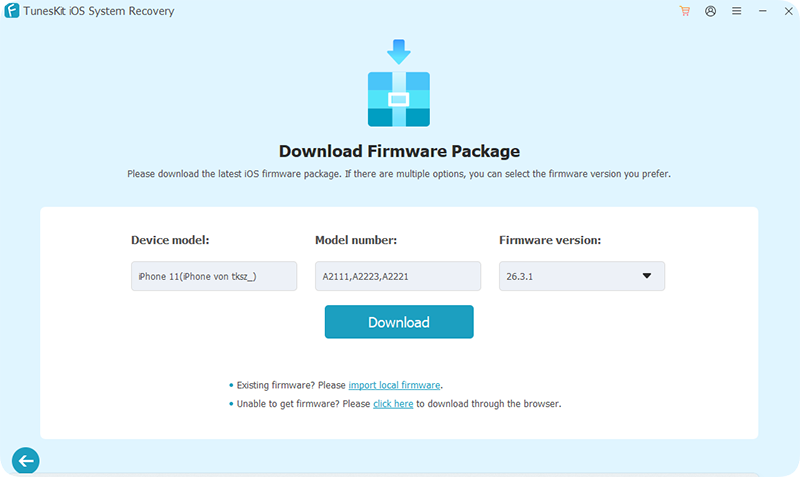
Before downloading, select the firmware version from the drop-down list, and click the Download button, TunesKit iOS System Recovery will start to download the firmware package to fix your iPhone.
Step 4Fix Liquid Detected in Lightning Connector on iPhone
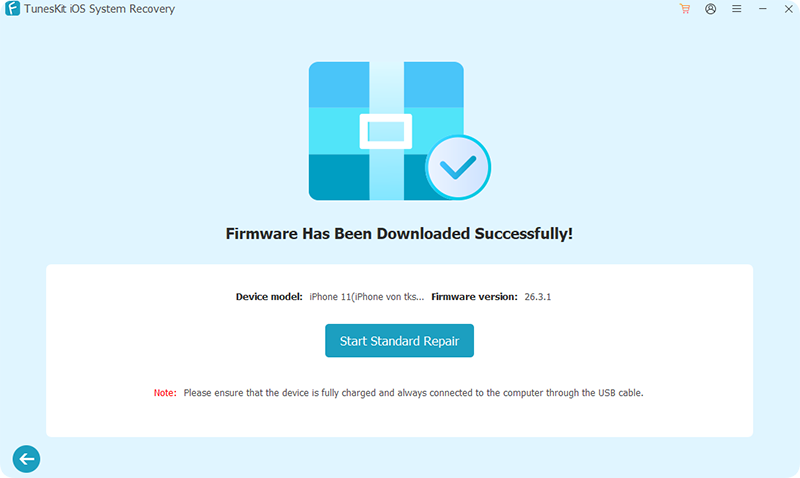
Once done, click the Start Standard Repair button, it will start to fix your iPhone. Once your iPhone is fixed, the liquid detected in lightning connector message should disappear.
Method 4: Perform a Factory Reset
Restoring your device to factory settings might be necessary. While this is an extreme measure, it effectively eliminates deep-rooted software bugs that cause false liquid detection alerts. Be aware that this procedure wipes all data, restoring the phone to the state of a brand-new device out of the box. Creating a comprehensive backup beforehand is absolutely critical so you can easily restore your data afterward.
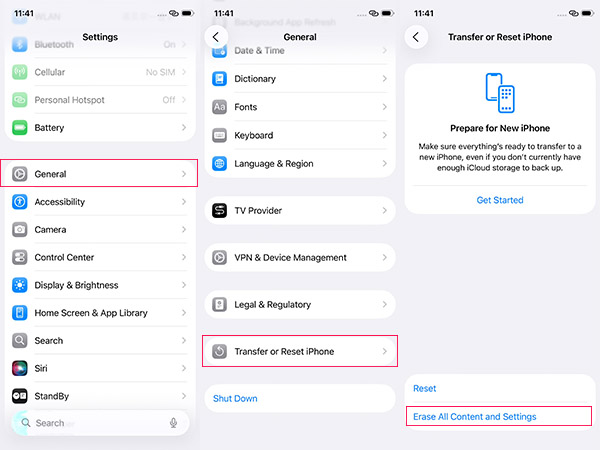
- Step 1. Access the Settings app and proceed to General.
- Step 2. Scroll to the bottom and tap Transfer or Reset iPhone.
- Step 3. Select Erase All Content and Settings to begin the factory reset.
After your iPhone restarts, you can safely configure it as a new device or recover your previous setup from your backup.
Method 5: Restore iPhone via iTunes
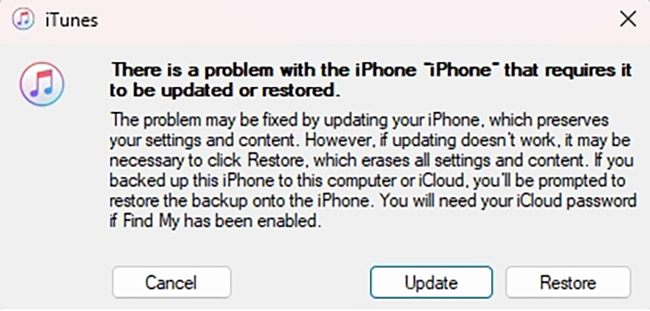
If your iPhone becomes completely unresponsive or won't power on properly, an iTunes restore is your next best option. Because this procedure overwrites your current data, a prior backup is highly recommended before proceeding.
- Step 1. Connect your iPhone to your computer using a compatible cable and launch the iTunes application.
- Step 2. Put your iPhone into recovery mode.
- Step 3. Click the Restore option when iTunes detects the connected phone and prompts you on your computer screen.
Method 6: Contact Apple Support
Sometimes basic software fixes simply aren't enough to solve internal hardware sensor issues. If none of the previous troubleshooting methods work in your favor, it is time to seek help directly from the experts.
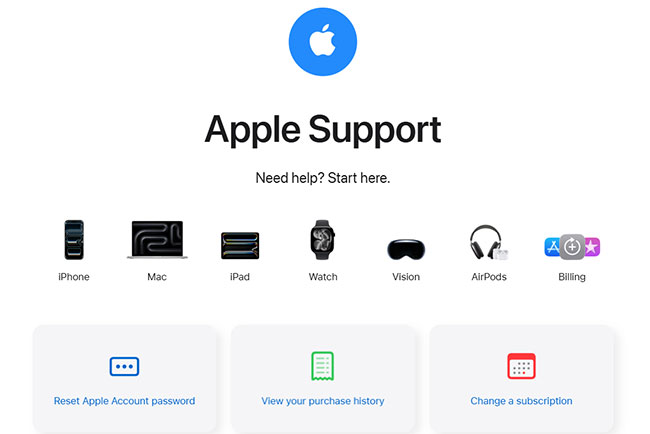
- Step 1. Navigate to the official Apple Support website or launch the Apple Support app on an alternate device.
- Step 2. Select your specific iPhone model from the menu and outline the liquid detection issue.
- Step 3. Choose your preferred service method, such as mailing in the iOS device or scheduling a physical appointment at a local Genius Bar.
Professional diagnosis is always the safest route for hardware concerns. If your device is currently under warranty or covered by AppleCare+, this repair will likely be highly affordable or entirely free.
Frequently Asked Questions: "Liquid Detected" False Alarms
-
Can I use the "Emergency Override" feature to charge my phone anyway?
Using the emergency override is highly discouraged unless you are in a critical situation requiring immediate communication. Forcing electricity through a potentially compromised or dirty port can cause rapid corrosion. It might even short-circuit your logic board entirely.
-
Is it safe to use a hair dryer or compressed air to clear the port?
You should absolutely avoid using external heat sources or pressurized air on your delicate electronics. Hair dryers can quickly melt internal water-resistance seals and damage the battery. Compressed air, on the other hand, might push microscopic debris and moisture further into the device's interior casing.
-
How can I charge my iPhone if the lightning port is currently disabled?
The fastest and safest workaround is to utilize wireless charging if your specific device supports it. Both MagSafe and standard Qi wireless charging pads bypass the physical port entirely. This method allows you to safely restore your battery life while the internal sensor takes its time to recalibrate.
Summary
The "Liquid Detected in Lightning Connector" warning can usually be resolved by drying the charging port, checking accessories, or fixing potential iOS system issues. If the alert persists even when your iPhone is completely dry, TunesKit iOS System Recovery can help repair underlying system glitches without data loss in most cases. We hope the solutions in this guide have helped you fix the issue and get your iPhone charging normally again.


