


iPad Overheating? 8 Solutions You Can Try
An iPad getting hot during gaming, video editing, charging, or other demanding tasks can be normal for a short time. However, if your iPad is overheating, stays unusually hot, slows down, dims the screen, or shows a temperature warning, it is time to troubleshoot the problem. In this guide, we'll explain the common causes of an iPad running hot and show you 8 practical ways to cool it down and prevent overheating.

- Why Is My iPad Overheating?
-
8 Ways to Fix iPad Overheating
- Method 1: Stop Using the iPad and Move It to a Cooler Place
- Method 2: Stop Charging the iPad and Check the Charger
- Method 3: Reduce Screen Brightness and Heavy App Usage
- Method 4: Turn Off Unnecessary Background App Refresh
- Method 5: Restart Your iPad
- Method 6: Update iPadOS
- Method 7: Repair iPadOS with TunesKit iOS System Recovery HOT
- Method 8: Contact Apple Support
- How to Prevent Your iPad from Overheating
- The Closing Words
Why Is My iPad Overheating?
An iPad may overheat when it is exposed to high temperatures or when the processor, battery, or system is under heavy load. Common causes include intensive gaming, video editing, high-resolution streaming, long charging sessions, high screen brightness, background apps, and using the iPad in direct sunlight or a hot environment.
Poor heat dissipation, such as using a thick case while running demanding apps, can also make an iPad get hot more quickly. In some cases, outdated iPadOS, software glitches, or battery-related problems may cause unusually high power consumption and lead to an iPad running hot even during normal use.
8 Ways to Fix iPad Overheating
When your iPad is overheating, start by reducing its temperature and workload before changing system settings. If the iPad only becomes slightly warm during gaming, video editing, setup, or a software update, this can be normal. However, take action if it becomes unusually hot, slows down, dims the screen, stops charging, or displays a temperature warning.
Method 1: Stop Using the iPad and Move It to a Cooler Place
The first thing to do with an overheated iPad is reduce the heat it is generating and move it away from external heat sources. Apple recommends using an iPad in ambient temperatures between 0°C and 35°C (32°F and 95°F). When the internal temperature becomes too high, iPadOS may reduce performance, dim the display, or temporarily stop charging.
- Step 1. Stop gaming, video editing, high-resolution streaming, navigation, or other processor-intensive activities.
- Step 2. Move the iPad away from direct sunlight, a hot car, heater, or other heat source.
- Step 3. Remove a thick protective case temporarily if it appears to be trapping heat.
- Step 4. Lock the screen and leave the iPad unused until it returns to a normal temperature.

 Note
Note
If a temperature warning appears, turn off the iPad, move it to a cooler environment, and allow it to cool naturally. Avoid placing the device in a refrigerator, freezer, or directly against ice, as rapid temperature changes can create moisture inside the device.
Method 2: Stop Charging the iPad and Check the Charger
Charging naturally generates some heat, especially when the iPad is being used at the same time. If your iPad gets hot while charging, disconnecting the charger can help determine whether charging is contributing to the problem.
Apple also notes that charging can automatically slow or stop when the device becomes too hot. Charging resumes once the iPad returns to a normal temperature.
- Step 1. Unplug the charging cable from the iPad.
- Step 2. Stop using demanding apps and let the device cool down.
- Step 3. Inspect the power adapter and cable for damage, discoloration, loose connectors, or excessive heat.
- Step 4. Once the iPad has cooled, reconnect it using a compatible Apple charging cable and a suitable power adapter.
- Step 5. Avoid playing graphics-intensive games, editing video, or performing other demanding tasks while charging.

Method 3: Reduce Screen Brightness and Heavy App Usage
The display and processor are two major sources of power consumption. Keeping the screen at maximum brightness while running demanding apps can make an iPad run hot more quickly.
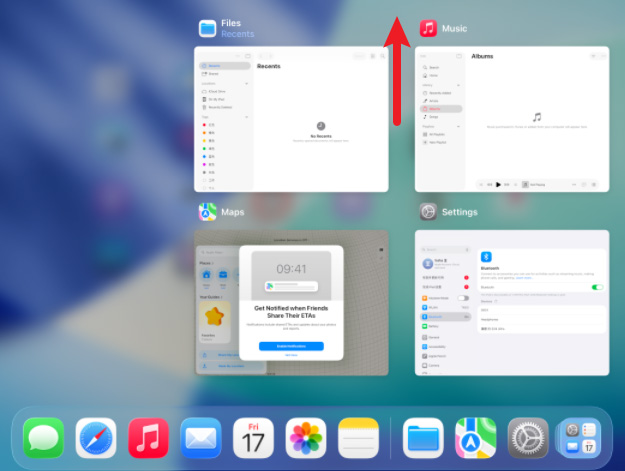
Rather than force-closing every app in the App Switcher, focus on apps that are actively performing demanding tasks or behaving abnormally. Apps that are suspended in the background generally do not continue using system resources in the same way as active apps.
- Step 1. Open Control Center by swiping down from the top-right corner of the screen.
- Step 2. Drag the brightness slider down to a comfortable level.

Step 3: Stop graphics-intensive games, video editing, high-resolution streaming, video calls, or other demanding activities.
Step 4: If a particular app is frozen or appears to be causing excessive heat, open the App Switcher and swipe up on that app to close it.
Step 5: Leave the iPad idle for several minutes and check whether the temperature decreases.
Method 4: Turn Off Unnecessary Background App Refresh
Although suspended apps do not normally consume significant system resources, Background App Refresh allows supported apps to periodically retrieve new content. Reducing unnecessary background activity can lower power consumption, particularly if many apps are refreshing frequently.
- Step 1. Open Settings on your iPad.
- Step 2. Go to General > Background App Refresh.
- Step 3. Review the apps that are allowed to refresh in the background.
- Step 4. Turn off Background App Refresh for apps that do not need frequent updates.

Alternatively, tap Background App Refresh at the top and disable the feature completely if you want to test whether background activity is contributing to the overheating problem.
Method 5: Restart Your iPad
A temporary app or iPadOS process may sometimes continue consuming excessive system resources, causing the iPad to overheat even when you are not using it heavily. Restarting the device clears temporary processes and gives iPadOS a fresh start.
For an iPad Without a Home Button
- Step 1. Press and hold the top button and either volume button until the power-off slider appears.
- Step 2. Drag the slider and wait about 30 seconds for the iPad to turn off.
- Step 3. Press and hold the top button until the Apple logo appears.

For an iPad With a Home Button
- Step 1. Press and hold the top button until the power-off slider appears.
- Step 2. Drag the slider and wait for the device to shut down.
- Step 3. Press and hold the top button again until the Apple logo appears.

After restarting, use the iPad normally for a while and check whether it still becomes unusually hot.
Method 6: Update iPadOS
Software bugs, poorly optimized system processes, or app compatibility problems can contribute to abnormal CPU or battery usage. Keeping iPadOS updated ensures that your device receives the latest available system improvements.
- Step 1. Connect the iPad to a stable Wi-Fi network.
- Step 2. Go to Settings > General > Software Update.
- Step 3. Wait while the iPad checks for available updates.
- Step 4. If a new iPadOS version is available, tap Update Now button.
- Step 5. Allow the installation to complete and the iPad to restart.
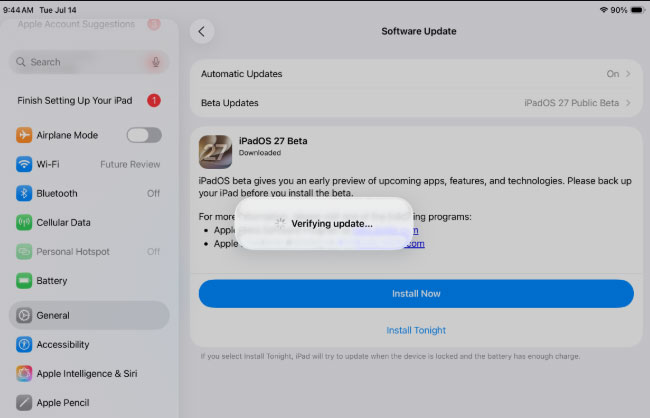
 Warning: Keep in mind that an iPad may temporarily become warmer during or shortly after a major software update because background setup and indexing tasks are still running. Apple lists software updates as one of the situations in which an iPhone or iPad may normally feel warmer for a short time.
Method 7: Repair iPadOS with TunesKit iOS System Recovery
Can't solve your problem with the previous method? Here comes our most recommended method – TunesKit iOS System Recovery. It's one of the most effective tools for you to fix more than 150 system issues on your iPhone, iPad, and iPod touch, including iPad running hot, iPhone overheating, iPhone screen flickering, iPad stuck on Recovery mode, and more. Thus, you don't need to panic about encountering system errors on your iOS devices.
What you need to do is to run TunesKit iOS System Recovery, and click several buttons. You can fix your devices without losing data by yourselves.
Key Features of TunesKit iOS System Recovery
Fix iPad overheating and other iPadOS-related issues quickly & Available for both Windows and Mac
 600,000+ Downloads
In the following, we'll show you how to use TunesKit iOS System Recovery to fix iPad running hot.
Step 1. Connect Your iPad
Launch TunesKit iOS System Recovery on your Windows PC or Mac and connect the iPad using a compatible USB cable. Select iOS System Repair on the main interface and click Start.
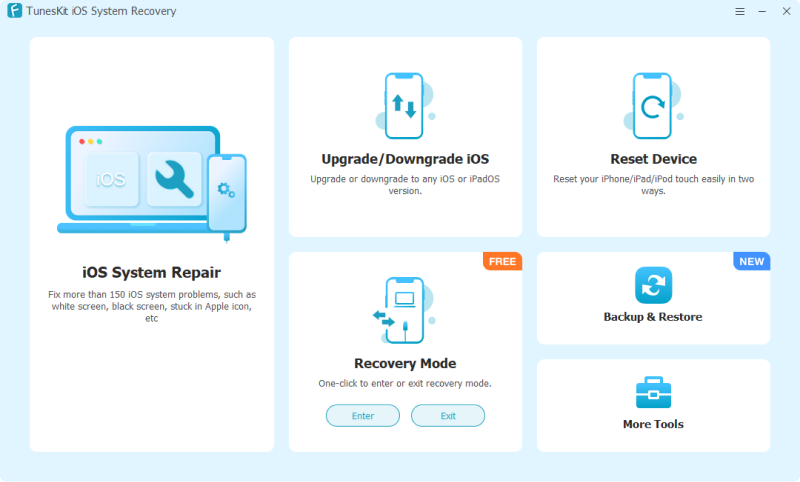
Step 2. Choose Standard Repair
Select Standard Repair first. This mode is designed to repair common iOS/iPadOS problems without deleting existing data. Use Deep Repair only when Standard Repair cannot resolve a serious system problem. Deep Repair erases all data on the device, so create a backup before using it.

Step 3. Download the Firmware Package
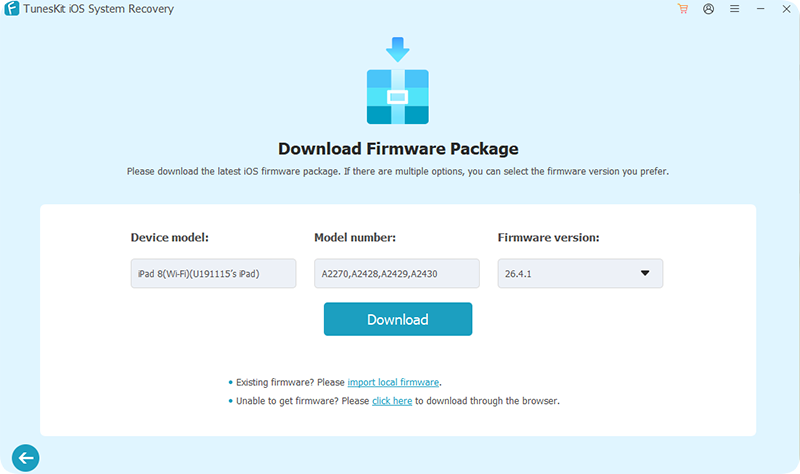
Follow the onscreen instructions if you are asked to put the iPad into Recovery Mode or DFU Mode. Check that the detected iPad model and firmware information are correct, and then click Download to obtain the matching firmware package.
Step 4. Repair iPadOS
Once the firmware package is downloaded and verified, click Start Standard Repair to begin. Keep the iPad connected to the computer until the repair is complete. After the device restarts, use it normally for a while and check whether the abnormal overheating has stopped.

Method 8: Contact Apple Support
Persistent overheating during light use can indicate a battery or other hardware problem, particularly when none of the software fixes above make a difference.
- Step 1. Stop using the iPad if it becomes extremely hot, repeatedly shows temperature warnings, shuts down unexpectedly, or displays signs of battery swelling.
- Step 2. Disconnect the charger and allow the device to cool naturally.
- Step 3. Check whether the problem occurs with different known-good charging accessories.
- Step 4. Contact Apple Support for hardware diagnostics if the overheating continues.

How to Prevent Your iPad from Overheating
After fixing the iPad overheating problem, a few everyday habits can help prevent it from happening again:
- 1. Keep your iPad away from extreme heat. Use and store the device in a cool, well-ventilated environment. Avoid leaving it in direct sunlight, inside a hot car, or near other heat sources for long periods.
- 2. Use a case with good heat dissipation. Thick or poorly ventilated cases can trap heat, especially during gaming, video editing, or charging. Remove the case temporarily if your iPad becomes noticeably warm during intensive use.
- 3. Develop better charging habits. Use a compatible, reliable power adapter and charging cable, and avoid demanding activities such as gaming while the iPad is charging. This reduces the amount of heat generated at the same time.
- 4. Keep iPadOS and apps updated. Install available iPadOS and app updates regularly to receive bug fixes, performance improvements, and better compatibility that may help prevent abnormal battery or processor usage.
- 5. Reduce unnecessary workload. Lower excessive screen brightness, limit unnecessary Background App Refresh, and give your iPad occasional breaks during long gaming, streaming, or editing sessions.
The Closing Words
We hope this article can offer you some useful methods to fix your iPad overheating. Among all these solutions, TunesKit iOS System Recovery is the best one for you if you want to fix iPad running hot by yourself successfully. Please leave us a comment below if you have any doubts.