


iPhone Camera Shaking When Taking Pictures? Solved!
"Whenever I try to take a picture, my iPhone's camera tends to shake up. This issue stops me from taking clear photos. How would I get this thing sorted? All suggestions will be greatly appreciated."
Capturing high-quality photos is one of the biggest advantages of owning an iPhone. However, discovering that your viewfinder is vibrating uncontrollably right as you frame a perfect shot can be incredibly stressful. Rest assured, you are far from the only one dealing with a blurry, bouncing lens. Luckily, we'll tell you why this happens and how to stop the iPhone camera from shaking here.

Why Is My iPhone Camera Shaking When Taking Picture?
The camera module in your device relies on highly sensitive physical components and complex software processing to function correctly. When these elements fall out of sync, the result is a blurry, buzzing lens.
- Optical Image Stabilization (OIS) Errors: Modern Apple devices utilize tiny internal motors to counteract the natural micro-movements of your hands. If the phone sustains a heavy drop, these delicate motors can malfunction and jitter.
- External Magnetic Interference: Accessories like magnetic phone cases or lens attachments can interfere with the OIS mechanism, leading to unexpected vibrations.
- Software and Background Glitches: An outdated operating system or an unresponsive background application can easily disrupt the resources your camera needs to focus properly.
- Hardware Damage: If your iPhone was recently dropped or exposed to moisture, internal hardware like the camera module or logic board could be affected.
7 Methods to Fix iPhone Camera Shaking
By tackling the simplest potential causes first, you can often resolve the wobbling lens without resorting to complicated software repairs. Proceed through these proven methods in order.
Solution 1: Clean the Camera Lens
The most basic physical check is inspecting the exterior of the camera module. Sometimes, microscopic dust particles or smudges sit directly over the autofocus sensor, forcing the lens to constantly readjust as it tries to find clarity.
Gently wipe down the glass housing with a clean, dry microfiber cloth. Avoid utilizing harsh liquid cleaning solutions, as you run the risk of introducing moisture into the internal housing.

Solution 2: Restart Your iPhone
When an iOS device runs for weeks without a reboot, temporary memory caches become bloated and background processes begin to conflict. Forcing your device to restart will abruptly clear out this digital clutter and give the camera application a fresh slate.
- Step 1. For modern devices without a home button, press and hold the Volume Down and Side buttons simultaneously until the power slider appears on your screen.
- Step 2. Drag the slider to power down the device, wait roughly thirty seconds, and then hold the Side button again to boot it back up.
 Note:
Note:
For older devices with a home button, press and hold the Power button until the power slider appears on your screen.

Solution 3: Reset All iPhone Settings
If a standard reboot fails to stabilize the viewfinder, your internal configuration files might be causing a software conflict. Reverting your system settings back to their default state can eliminate any customized toggles that are secretly interfering with the camera's operation.
- Step 1. Open the Settings app your device and navigate to the General menu.
- Step 2. Scroll to the bottom, select Transfer or Reset iPhone.
- Step 3. Choose Reset and then Reset All Settings to clear your configurations without deleting your personal data.

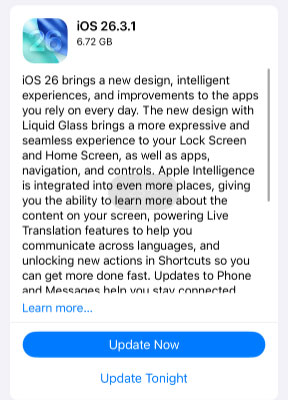
Solution 4: Update iOS Version
Apple frequently deploys system updates specifically designed to patch known bugs affecting native applications like the camera. Running an outdated version of iOS leaves your device vulnerable to these lingering software communication errors.
- Step 1. Navigate to Settings, tap on General, and open the Software Update screen.
- Step 2. If a new firmware version is available, tap Update Now to apply the latest bug fixes to your system.
Solution 5: Restore iPhone via iTunes/Finder
Restoring your device through iTunes or Finder provides a much deeper system refresh than a simple restart or settings reset. This process completely wipes the current operating system and reinstalls a fresh copy, which often eradicates deeply embedded software corruption.
- Step 1. Launch iTunes on your Windows or Finder on your Mac.
- Step 2. Connect your smartphone using a certified lightning or USB-C cable.
- Step 3. Click on the small device icon that appears in the iTunes/Finder interface, navigate to the Summary tab, and select Restore iPhone.


Solution 6: Repair Deep System Bugs with TunesKit iOS System Recovery
When native troubleshooting steps and iTunes/Finder restores fail to resolve the shaking, you are likely dealing with a severe system file error. TunesKit iOS System Recovery is a dedicated third-party utility engineered to safely repair over 150 different operating system issues, including stubborn camera glitches like iPhone front camera not working, etc.
The software bypasses the need for complex manual troubleshooting. Furthermore, utilizing the Standard Repair mode ensures that your operating system is fixed without erasing any of your precious photos, messages, or app data.
Why Choose TunesKit iOS System Recovery?
Quickly fix iPhone camera wavy issue without data loss. It supports all iPhone models and latest iOS 26.
 600,000+ Downloads
- Step 1. Download and install TunesKit on your computer. Connect your iPhone to the computer and choose iOS System Repair and then Start.
- Step 2. Choose the Standard Repair mode to ensure all your personal data remains completely safe during the procedure.

- Step 3. Verify your device details and click Download to fetch the correct firmware package for your specific model.
- Step 4. Once it's done, click Repair and allow the software a few minutes to automatically resolve the camera shaking error.
Solution 7: Contact Apple Support for Help
If your iPhone camera is physically damaged or malfunctioning, it may result in shaky issues. In this case, you may need to contact Apple Support or visit an authorized service provider for assistance. Only certified technicians can safely open the device housing and install a replacement camera module to restore full functionality.

FAQs About iPhone Camera Shaking
-
How much does it cost to fix a shaky iPhone camera?
Repair costs depend entirely on your iPhone model and warranty coverage. With an active AppleCare+ plan, fixing the rear camera is a flat $99 fee. Without it, out-of-warranty module replacements cost about $169 for standard iPhones and up to $249 for Pro models.
-
How can I tell if the camera shaking is hardware or software related?
If the issue persists after a system update, restart, and appears across all apps, it's likely hardware. If it's only in one app or started after an iOS update, it might be software.
-
Is it common for the camera to malfunction after an iOS update?
Yes, major operating system overhauls occasionally introduce temporary bugs that disrupt camera stabilization. Apple typically resolves these specific glitches rapidly in subsequent minor patch updates.
-
What is the best way to explain this problem to Apple Support?
Record a short video showing the camera shaking in the Camera app (and possibly others). Note when it started, and if any damage occurred. Mention the model, iOS version, and troubleshooting steps already tried.
Summary
Dealing with an iPhone camera shaking issue is stressful, but it's rarely an unfixable disaster. Starting with simple steps like cleaning the lens and restarting the device often clears up the problem immediately.
For deeper, more persistent software corruption, using a dedicated tool like TunesKit iOS System Recovery provides a seamless, data-safe resolution. If all else fails, securing a hardware replacement through Apple will permanently fix the wobbling lens.


