


Firmware Not Compatible with iPhone/iPad/iPod? 5 Ways to Fix It
When restoring or updating an iPhone, iPad, or iPod with iTunes, you may see an error saying, "The iPhone could not be restored because the firmware file is not compatible." This usually means the IPSW firmware file doesn't match your device model, is corrupted, or cannot be properly recognized by iTunes.
Fortunately, the firmware not compatible error can often be fixed with a few troubleshooting steps. Below, we'll explain the common causes and show you 5 effective ways to get your iPhone, iPad, or iPod updating or restoring normally again.

Why Does It Say the Firmware File Is Not Compatible?
Before troubleshooting, it helps to understand what triggers the firmware not compatible error. In most cases, the problem is related to the IPSW firmware itself or the software being used to install it.
A common cause is downloading an IPSW file intended for a different iPhone, iPad, or iPod model. Firmware files are device-specific, so even two visually similar models may require different IPSW packages. The error may also appear when the downloaded firmware is corrupted or the iOS version you are trying to install is no longer accepted for your device.
Besides the IPSW file, an outdated version of iTunes, Apple Devices, or macOS can interfere with an update or restore. Connection problems and access to Apple's update servers can also cause restore errors. Apple recommends keeping macOS, the Apple Devices app, or iTunes up to date before troubleshooting an update or restore failure.
5 Solutions to Fix Firmware Not Compatible with iPhone/iPad/iPod
Without dilly-dallying much, you can try the following ways to fix this issue quickly.
Solution 1. Check Whether the IPSW File Matches Your Device
If you downloaded an IPSW file manually, first confirm that it is designed for your exact iPhone, iPad, or iPod model.
Different generations—and sometimes different variants within the same generation—can use different firmware packages. Installing the wrong one can immediately result in the message that the firmware file is not compatible.
Step 1. On an accessible iPhone or iPad, open Settings > General > About and check the device model and model number.
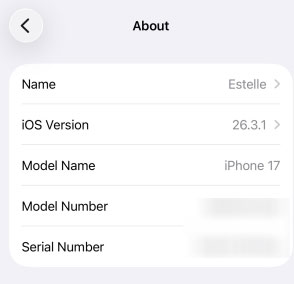
Step 2. Compare your model information with the firmware file you downloaded.
Step 3. If they don't match, delete the incorrect IPSW and download the firmware intended for your exact device.
Also make sure that the iOS or iPadOS version you want to install is currently available for your model. Apple notes that a device can only install software versions it supports, and attempts to use an unavailable build can produce restore errors such as "The device isn't eligible for the requested build."
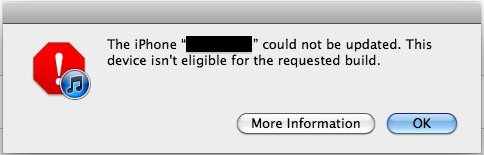
If you don't specifically need to install an IPSW manually, allowing Finder, Apple Devices, or iTunes to download the appropriate software automatically is generally the simpler option.
Solution 2. Delete the Firmware and Download It Again
Even when you have selected the correct IPSW, the firmware package may have been damaged or incompletely downloaded. In this case, downloading a fresh copy may solve the problem.
Instead of selecting the same firmware file, remove the existing IPSW and let Apple's software download a new package.
- Step 1. Disconnect your iPhone, iPad, or iPod from the computer and delete the previously downloaded IPSW file.
- Step 2. Restart your computer and reconnect the device with a reliable USB or USB-C cable.

Step 3. Open Finder on a modern Mac, or open the Apple Devices app on Windows. If you use a Windows PC without Apple Devices or an older Mac, you may still use iTunes. Apple currently supports Finder and Apple Devices for locating and managing connected iPhones, iPads, and iPods.
Step 4. Select your device and choose Check for Update, Update, or the appropriate restore option.
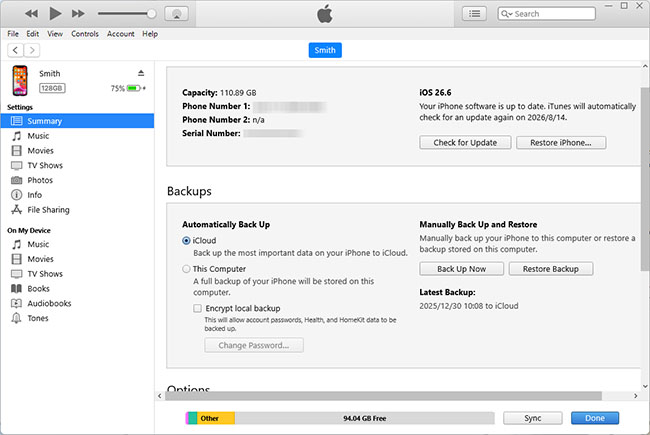
Step 5. Allow the program to download the firmware again instead of importing the old IPSW.
 Note
Note
Make sure the internet connection remains stable while the package is downloading and don't disconnect the device until the update or restore process finishes.
Solution 3. Update iTunes, Apple Devices, or macOS
Another possible cause of the iPhone firmware not compatible error is outdated computer software. An older version of iTunes or macOS may have trouble communicating with newer iOS devices or firmware.
Apple specifically recommends updating your computer and using the latest version of the Apple Devices app or iTunes when an iPhone, iPad, or iPod cannot be updated or restored.
On Windows
If you use the Apple Devices app, check Microsoft Store for available updates. If you still manage your device through iTunes, update iTunes to the latest version available for your PC. Simply open iTunes on your Windows, go to the Help menu, then click the Check for Updates option to update your iTunes.
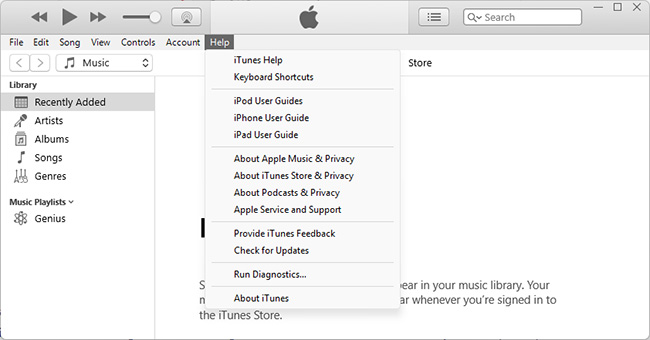
After updating, restart the computer, reconnect your device, and try the update or restore again.
On Mac
Go to System Settings > General > Software Update and install any available macOS updates. On macOS Catalina and later, iPhone and iPad management is primarily handled through Finder instead of iTunes.

Then reconnect your device and repeat the restore or update.
Solution 4. Check the USB Connection and Apple Update Server
Sometimes the firmware itself is fine, but the computer cannot successfully communicate with the iPhone or Apple's software update servers.
Start with the physical connection. Connect your device directly to the computer instead of using a USB hub or keyboard port. Try another USB port or a different compatible cable if necessary. Apple recommends these checks when update or restore errors occur.
You should also make sure the computer can reach Apple's update servers. Security software, firewall settings, or an incorrectly modified hosts file can interfere with this connection. Apple's current troubleshooting guidance suggests testing the internet connection, trying another network or computer, and checking the hosts file if the Apple software update server cannot be reached.
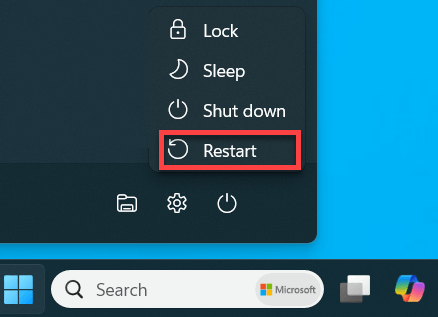
After checking the connection, restart both your computer and iPhone/iPad/iPod and try restoring or updating again.
Solution 5. Fix Firmware Issues with TunesKit iOS System Recovery
If you continue to receive the firmware incompatibility error or the device develops system problems during an unsuccessful update or restore, you can also try TunesKit iOS System Recovery.
Instead of manually searching for an IPSW file, TunesKit detects the connected device and displays firmware information that matches the detected model. It then downloads and verifies the firmware package before starting the repair. This can reduce the chance of accidentally selecting firmware intended for another device. Apart from that, it can fix 150+ iOS issues such as iPhone blue screen of death, iPhone stuck on verifying update, and iPhone blue box issues.
Fix Firmware Compatibility Errors with TunesKit
Automatically detect your device and download the matching firmware to repair iOS issues safely and efficiently.
 600,000+ Downloads
Here's how to fix firmware not compatible with iPhone/iPad/iPod using TunesKit iOS System Recovery.
Step 1. Connect Your Device
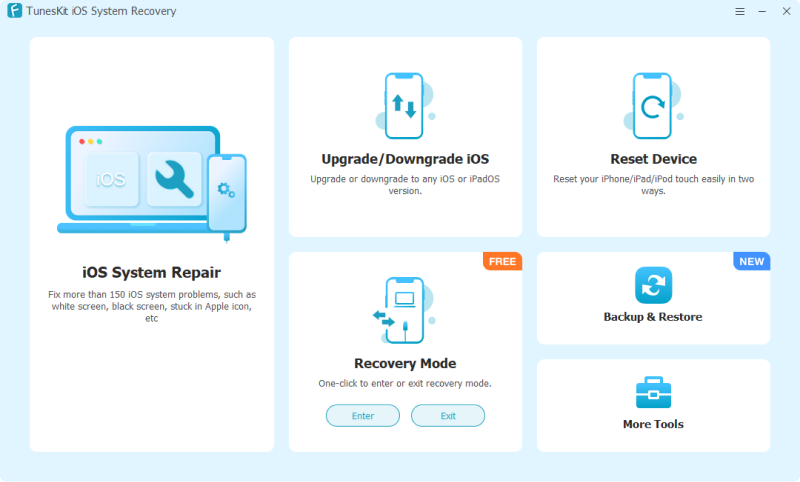
Launch TunesKit iOS System Recovery on your computer and connect your iPhone, iPad, or iPod. Choose iOS System Repair and click Start.
Step 2. Choose Standard Repair
Select Standard Repair if you want to attempt to repair the system without erasing your existing data.

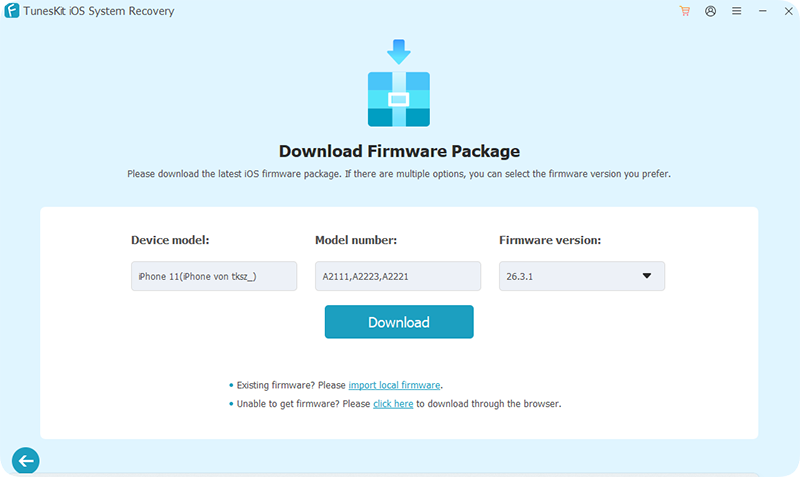
Step 3. Check and Download the Firmware.
Confirm the detected device information, including the device model and available firmware version. Then click Download. TunesKit will download and verify the firmware package for the repair.
Step 4. Start Repairing the Device
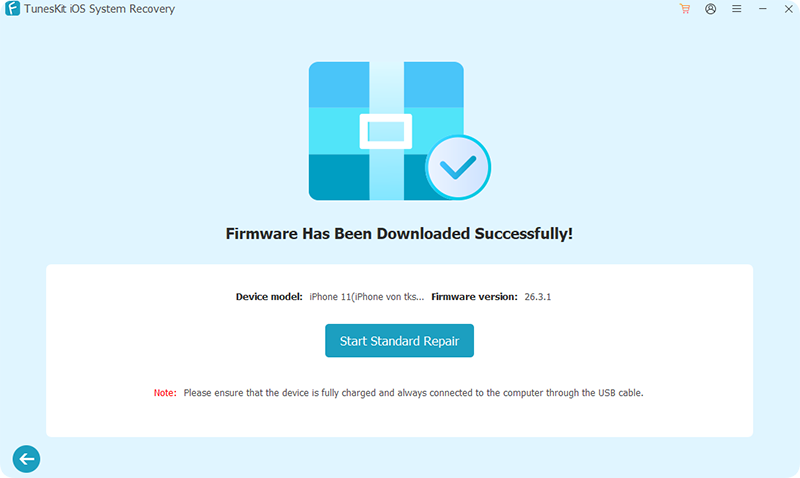
After the firmware has finished downloading, click Start Standard Repair and keep your device connected until the repair is complete. This method is particularly useful when a failed firmware installation has also left the iPhone or iPad stuck on the Apple logo, recovery mode, a black screen, or another iOS system issue.
FAQs About Firmware File Not Compatible
-
What does "the firmware file is not compatible" mean?
It usually means the IPSW firmware selected for the restore cannot be properly used with the connected device. Common reasons include selecting firmware for the wrong device model, using an unavailable software build, a damaged firmware download, or problems with the software performing the restore.
-
Can I install any IPSW file on my iPhone?
No. An IPSW needs to correspond to the device model, and the software version must also be eligible for installation on that device. Simply downloading an older IPSW file does not guarantee that it can be restored.
-
Why is my IPSW not compatible even though it is for the same iPhone?
Check the exact device variant rather than relying only on the product name. You should also redownload the IPSW in case the original file is incomplete and update Finder, Apple Devices, iTunes, or macOS.
Final thoughts
In this guide, 5 methods to fix iPhone/iPad/iPod firmware not compatible issue are workable. If you don't know the specific reasons that cause this problem, you can directly skip the former 4 fixes and try out the iOS system repair tool called TunesKit iOS System Recovery to make you get out of the trouble. If you still have troubles, you may have to resort to the Apple store to seek professionals for help.