Apple ID Two-Factor Authentication: How It Works and How to Use It
Apple two-factor authentication adds an extra layer of security to your Apple Account, formerly known as Apple ID. When you sign in on a new device or browser, you may need both your Apple Account password and a six-digit verification code.
The verification code can appear on a trusted Apple device or be sent to a trusted phone number. This helps prevent someone from accessing your account even if they know your password. In this guide, we'll explain how Apple two-factor authentication works, where to find your verification code, how to manage trusted devices and phone numbers, and what to do if you can no longer receive a code.

- Apple Two-Factor Authentication: Quick Answers
- What Is Apple Two-Factor Authentication?
- How Does Apple Two-Factor Authentication Work?
- Where Does Apple Send Two-Factor Authentication Codes?
- How to Turn On Two-Factor Authentication for Apple Account
- How to Manage Trusted Devices and Trusted Phone Numbers
Apple Two-Factor Authentication: Quick Answers
| Question | Quick Answer |
|---|---|
| What is Apple 2FA? | A security feature that uses your password plus a six-digit verification code. |
| How many digits is an Apple verification code? | Six digits. |
| Where does Apple send the code? | To a trusted Apple device or trusted phone number. |
| Can Apple send a 2FA code by email? | No, email is not a standard trusted method for receiving Apple 2FA codes. |
| Can you turn Apple 2FA off? | In most cases, you should not expect to be able to disable it after it has been enabled. |
| What if you lose your trusted device? | Use another trusted device or phone number. If neither is available permanently, you may need account recovery. |
What Is Apple Two-Factor Authentication?
Apple two-factor authentication is an account security system designed to make it harder for someone else to access your Apple Account. Instead of relying only on your password, Apple can require two pieces of information when you sign in:
- Your Apple Account password
- A six-digit verification code
The verification code is available through a trusted device or trusted phone number associated with your account. Even if another person obtains your Apple Account password, they normally cannot complete a protected sign-in without access to the second verification factor.
What Is the Difference Between Apple ID and Apple Account?
Apple ID is now called Apple Account. The name has changed, but you can continue signing in with the same email address or phone number and password you previously used for your Apple ID. Because many users still search for terms such as "Apple ID two-factor authentication," we use both Apple ID and Apple Account in this guide.
How Does Apple Two-Factor Authentication Work?
Apple two-factor authentication works by asking you to verify your identity when you sign in to your Apple Account on a new device or browser. Here's how the process usually works.
Step 1. Enter Your Apple Account and Password
Start signing in to your Apple Account on an iPhone, iPad, Mac, or supported browser. Enter the email address or phone number associated with your Apple Account and your password.
Step 2. Apple Requests a Second Verification Factor
If additional verification is required, Apple asks for a six-digit verification code. The code may:
- Appear on one of your trusted Apple devices
- Be sent to a trusted phone number by text message
- Be provided through a phone call to a trusted number
Apple requires at least one trusted phone number when two-factor authentication is used.
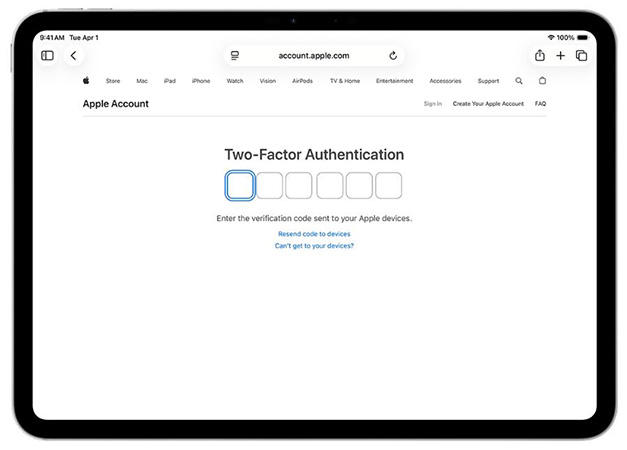
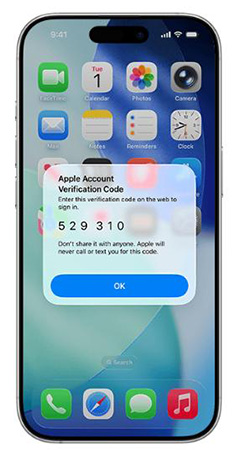
Step 3. Enter the Six-Digit Verification Code
Enter the code on the new device or browser where you're signing in. Once Apple verifies the code, the sign-in can continue.
 Further Reading: Apple Verification Code Not Working? Fixes for iOS 26/18/17
Step 4. The Device Can Become Trusted
After you successfully sign in with two-factor authentication, the Apple device can become a trusted device associated with your account.
You normally won't be asked for another verification code on that device unless, for example, you sign out completely, erase the device, sign in to your Apple Account page in a browser, or need to make certain security-related account changes.
Where Does Apple Send Two-Factor Authentication Codes?
One of the most common questions about Apple 2FA is where the verification code actually goes. Apple generally uses trusted devices and trusted phone numbers for verification.
1. Trusted Apple Devices
A trusted device is an eligible Apple device on which you've already signed in to your Apple Account using two-factor authentication. Apple currently lists trusted devices such as:
- iPhone
- iPad
- Apple Watch
- Apple Vision Pro
- Mac
A trusted device can display an Apple verification code when you try to sign in on another device or browser. For example, if you're signing in to your Apple Account on a new Mac, a sign-in notification may appear on your trusted iPhone. After approving the request, you can view the six-digit code.
2. Trusted Phone Numbers
A trusted phone number is a number you've added to your Apple Account for identity verification. If you don't have access to a trusted device, look for an option such as Can't get to your devices? on the verification screen. You may then be able to request a code by text message or phone call to one of your trusted numbers.
Does a Trusted Phone Number Automatically Receive Every Code?
No. Apple notes that trusted phone numbers don't automatically receive verification codes every time. If you can't use a trusted device, you can select the appropriate option on the sign-in screen and choose a trusted phone number to receive the code.
3. Can Apple Send a Two-Factor Authentication Code by Email?
No. Your Apple Account email address is not a standard trusted method for receiving Apple two-factor authentication verification codes. Normal 2FA codes are provided through trusted Apple devices or trusted phone numbers.
This is different from other Apple emails you may receive for account notifications, security alerts, receipts, or recovery-related information.
How to Turn On Two-Factor Authentication for Apple Account
The exact steps can vary slightly depending on your operating system version, but the following methods reflect Apple's current account security settings.
1. How to Turn On Two-Factor Authentication on iPhone or iPad
If you're wondering how to enable two-factor authentication on an iPhone or iPad:
- Step 1. Open Settings. Tap your name.
- Step 2. Tap Sign-In & Security.
- Step 3. Tap Two-Factor Authentication.
- Step 4. Enter a trusted phone number.
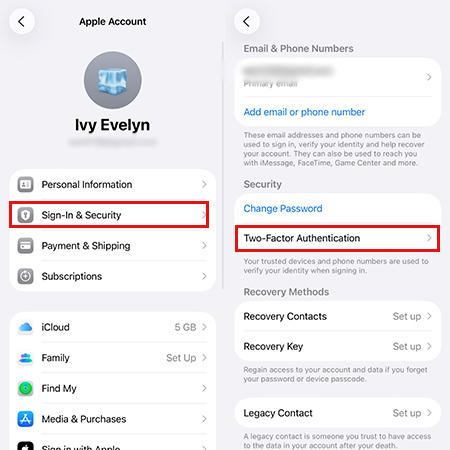
- Step 5. Enter the verification code Apple sends to that number.
Once the verification is complete, two-factor authentication is enabled and the device becomes trusted.
2. How to Turn On Two-Factor Authentication on Mac
- Step 1. Open the Apple menu.
- Step 2. Choose System Settings.
- Step 3. Click your name.
- Step 4. Select Sign-In & Security.
- Step 5. Select Two-Factor Authentication.
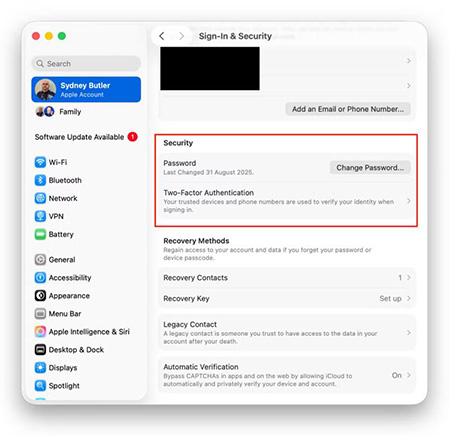
- Step 6. Follow the onscreen instructions to add or verify a trusted phone number.
Apple also lets you manage trusted phone numbers from the same security area.
3. How to Manage Apple 2FA on the Web
- Step 1. Visit account.apple.com.
- Step 2. Open Sign-In and Security.
- Step 3. Select Account Security.
- Step 4. Review the trusted phone numbers associated with your Apple Account.
- Step 5. Add or remove numbers when necessary.
Apple may require identity verification before allowing security-sensitive changes.
How to Manage Trusted Devices and Trusted Phone Numbers
Keeping your trusted information up to date is one of the best ways to avoid losing access to your Apple Account.
What Is an Apple Trusted Device?
A trusted device is an Apple device where you've already signed in to your Apple Account with two-factor authentication. Because Apple has already verified that the device is associated with you, it can be used for actions such as:
- Displaying verification codes
- Confirming your identity
- Helping approve important Apple Account security changes
How to Add Another Trusted Device
- Step 1. Sign in to the same Apple Account on the new device.
- Step 2. When prompted, obtain the six-digit code from an existing trusted device or trusted phone number.
- Step 3. Enter the verification code on the new device.
- Step 4. Complete the sign-in process.
Once authenticated, the new device can become trusted.
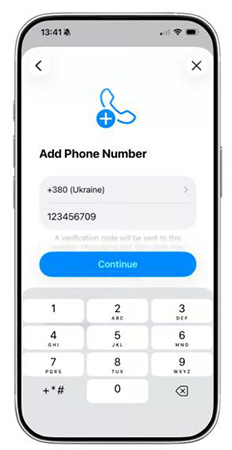
How to Add a Trusted Phone Number on iPhone or iPad
Go to Settings > [Your Name] > Sign-In & Security > Two-Factor Authentication > Add Trusted Phone Number. Enter the new number and complete Apple's verification process.
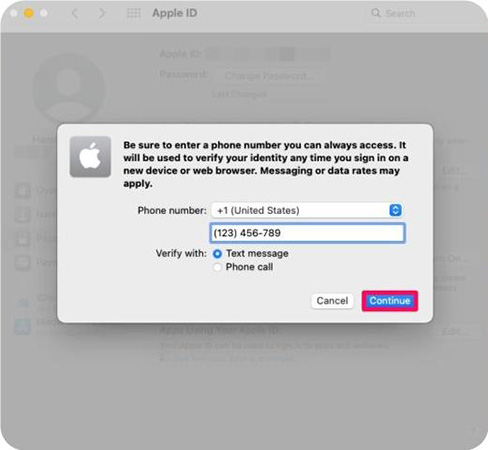
How to Add a Trusted Phone Number on Mac
Go to Apple menu > System Settings > [Your Name] > Sign-In & Security > Two-Factor Authentication. Scroll down and select Add Trusted Phone Number.
Should You Add More Than One Trusted Phone Number?
If possible, yes. Apple recommends considering an additional trusted phone number that isn't dependent on the same iPhone you use every day.
For example, if your iPhone is both your only trusted device and the only device capable of accessing your only trusted phone number, losing the iPhone could make it difficult to receive the verification code required to access your account.
Can You Turn Off Apple Two-Factor Authentication?
In most cases, you should not expect to be able to simply switch off two-factor authentication after it has been enabled for your Apple Account. If you don't see an option to disable two-factor authentication in your Apple Account security settings, don't attempt to bypass it using unofficial methods.
Instead, keep your trusted devices and phone numbers updated so you can continue to receive verification codes when needed. If you're having trouble signing in because you no longer have access to your trusted device or phone number, use Apple's account access and recovery options described below.
What If You Can't Receive an Apple Verification Code?
Not receiving an Apple 2FA code doesn't necessarily mean you're permanently locked out. Try the following options in order.
Solution 1. Check Another Trusted Apple Device
If another iPhone, iPad, Apple Watch, Apple Vision Pro, or Mac is already trusted, check that device for the verification request or code. A trusted device can be used to display verification codes when you're signing in elsewhere.
Solution 2. Request the Code by Text Message or Phone Call
On the verification screen, look for Didn't Get a Code? or a similar option. Select one of your trusted phone numbers and request the code by text message or phone call if the option is available.
Solution 3. Use Another Trusted Phone Number
If you've previously added more than one trusted number, choose another number you can currently access. This is one reason it's useful to keep a backup trusted phone number on your account.
Solution 4. Recover Access to Your Apple Account
If you permanently no longer have access to any trusted device or trusted phone number, Apple may let you begin account recovery. Apple's current process generally involves:
- Step 1. Attempting to sign in to your Apple Account.
- Step 2. Selecting Didn't Get a Code? or Can't get to your devices?
- Step 3. Choosing Can't use [phone number] when appropriate.
- Step 4. Following the onscreen steps to begin account recovery.
Account recovery may take several days or longer depending on the account information Apple can use to verify your identity. Apple also states that contacting Apple Support cannot speed up the waiting period.
 Note
Account recovery isn't a way to bypass Apple two-factor authentication. It's Apple's official process for recovering account access when your normal trusted verification methods are permanently unavailable.
Apple Two-Factor Authentication FAQs
-
Why Am I Not Receiving an Apple Verification Code?
Possible reasons include:
- You don't currently have access to the trusted device.
- The trusted phone number is no longer active.
- Your phone has no cellular service.
- You're checking the wrong trusted device.
- You haven't requested delivery to a trusted number.
If no code appears on a trusted device, select Didn't Get a Code? and try an available trusted phone number.
-
What Happens If I Lose Both My Trusted Device and Trusted Phone Number?
If the loss is temporary, Apple says the fastest option may be to wait until you regain access to a trusted device or number.
If you've permanently lost access to both, you can attempt Apple Account recovery. The process may take several days or longer.
-
Do I Need a Verification Code Every Time I Sign In?
Not necessarily. Once a device has been successfully verified and becomes trusted, Apple normally won't ask for a verification code on that device every time.
You may be asked again after actions such as signing out completely, erasing the device, signing in to the Apple Account website through a browser, or making certain security changes.
Locked Out of Your iPhone Instead?
Apple two-factor authentication protects your Apple Account, while your iPhone screen passcode protects access to the device itself. These are different security mechanisms. If your problem is a forgotten iPhone or iPad screen passcode rather than an Apple verification code, TunesKit iPhone Unlocker is designed for supported iOS lock-removal scenarios.
It can help with supported issues such as:
- Forgotten iPhone or iPad screen passcodes
- Certain Apple Account removal scenarios on compatible devices
- Screen Time passcode removal
- Supported MDM lock situations
Note
An iPhone screen-unlocking tool doesn't replace Apple's two-factor authentication or Apple Account recovery process. If your issue is receiving an Apple 2FA verification code, use the trusted-device, trusted-number, or account-recovery methods described above.
Conclusion
Apple two-factor authentication protects your Apple Account by combining your password with a six-digit verification code when additional identity verification is required. The verification code can be displayed on a trusted Apple device or delivered through a trusted phone number. To reduce the risk of losing access, keep your trusted devices and phone numbers up to date and consider adding a backup trusted number.
If you permanently lose access to all trusted verification methods, use Apple's official account recovery process rather than trying to bypass two-factor authentication.