


Why Is My iPhone Charging So Slow? Solve it Here
Why is my iPhone charging so slow? Slow charging can be caused by several factors, including a low-power charger, a faulty cable or power adapter, software glitches, or hardware problems. In this guide, we'll explain the most common causes of iPhone charging slowly and walk you through effective ways to get your iPhone charging normally again.

Why Is My iPhone Charging So Slow
If your iPhone is charging much slower than expected, the problem can come from the charger, cable, charging port, temperature, battery condition, or even how you use the phone while it is plugged in.
Here are some of the most common reasons why an iPhone charges slowly:
- 01 Low-power charger, USB port, or wireless charger: Charging from an older adapter, a computer USB port, a low-power wireless charger, or a poorly aligned wireless charging pad can make your iPhone charge much more slowly than expected.
- 02 Charging cable or port problems: A damaged or incompatible Lightning/USB-C cable, as well as dust or debris inside the charging port, can weaken the connection and reduce charging speed.
- 03 Temperature and heavy usage: If your iPhone is overheating, too cold, or being used for gaming, streaming, or navigation while charging, the battery may charge more slowly or temporarily stop charging.
- 04 Optimized charging features: Features such as Optimized Battery Charging may delay charging beyond 80% in certain situations to help reduce long-term battery aging.
- 05 Battery aging: An older or degraded battery can affect both charging speed and overall battery performance.
7 Ways to Fix iPhone Charging Slowly
If your iPhone is charging slower than usual, start by checking the charger, cable, charging port, and device temperature. In many cases, the problem can be fixed without resetting your iPhone or changing any important settings. Try the following solutions one by one.
Fix 1. Check and Clean the Charging Port
Dust or debris inside the Lightning or USB-C port can prevent the charging cable from making a stable connection, which may cause your iPhone to charge slowly or intermittently.
First, disconnect the charging cable and turn off your iPhone. Check the port for visible debris. If debris is blocking the connection and you cannot remove it safely, consider having the port professionally cleaned.
Avoid using compressed air or inserting cotton swabs, paper towels, or other objects into the connector, especially if moisture may be present.

After checking the port, reconnect the cable firmly and see whether the charging speed improves.
Fix 2. Try a Different Charging Cable
A damaged or worn charging cable can also reduce charging performance. Check your Lightning or USB-C cable for fraying, bent connectors, discoloration, or other visible damage.
Try charging your iPhone with another cable. If charging becomes noticeably faster, the original cable is likely the problem.
For iPhone 15 and later, use a compatible USB-C cable. For older Lightning-based iPhones, use a reliable Lightning cable designed for iPhone charging.

Fix 3. Use a Faster Compatible Charger
The power source has a major impact on how quickly an iPhone charges. A low-power USB adapter, computer USB port, car USB port, or USB hub may charge your iPhone much more slowly than a dedicated wall charger.
For faster wired charging, use a compatible USB-C Power Delivery power adapter.
- iPhone 15 and later: Use a USB-C power adapter with a USB-C cable.
- iPhone 14 and earlier: Use a USB-C power adapter with a USB-C to Lightning cable.
On supported iOS versions, you can open Settings > Battery to check if your iPhone displays a Slow Charger message.

Fix 4. Keep Your iPhone Cool While Charging
Charging can slow down when your iPhone becomes too warm. iOS may automatically reduce or temporarily pause charging to protect the battery.
Move your iPhone to a cooler location and remove it from direct sunlight or other heat sources. If the phone becomes unusually warm while charging, remove a thick case temporarily and allow the device to cool down.
Charging should return to normal when the battery temperature reaches a suitable range.

Fix 5. Avoid Heavy Use While Charging
Your iPhone can appear to charge slowly when it is consuming a large amount of power at the same time.
Activities such as gaming, recording video, using navigation, streaming high-resolution video, or running processor-intensive apps can consume much of the power supplied by the charger.
For faster charging, lock the screen and reduce heavy app usage until the battery reaches the level you need.
Fix 6. Update iOS
If the charger, cable, port, and temperature all appear normal, check whether an iOS update is available. Updating iOS can resolve software bugs and improve system stability.
- Step 1. Open Settings on your iPhone.
- Step 2. Tap General > Software Update.
- Step 3. If an update is available, tap Update Now button and follow the onscreen instructions.
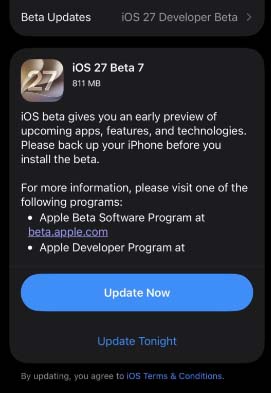
You can also enable Automatic Updates from the Software Update screen to receive future iOS updates automatically.
Fix 7. Repair Possible iOS Problems with TunesKit iOS System Recovery
iPhone succumbs to different problems over its lifetime, of which iPhone slow charging is a common problem. The other solution available in your hand without heading out to the service center is by using TunesKit iOS System Recovery software. The tool can fix different issues that your device succumbs to, including slow charging, DFU mode, recovery mode, and frozen at Apple logo.
TunesKit iOS System Recovery uses the latest technology that helps it repair all the issues of your iPhone without losing data. Unlike other methods where the chance of losing data is high, there is none when you use this tool. Likewise, you can choose between the basic and advanced modes for repairing the iPhone based on the problem.
Key Features of TunesKit iOS System Recovery
Easily fix iPhone charging slow issue without data loss & Compatible with the latest iOS version.
 600,000+ Downloads
Here are the detailed steps on fixing "why is my iPhone charging slow?" issue with TunesKit iOS System Recovery.
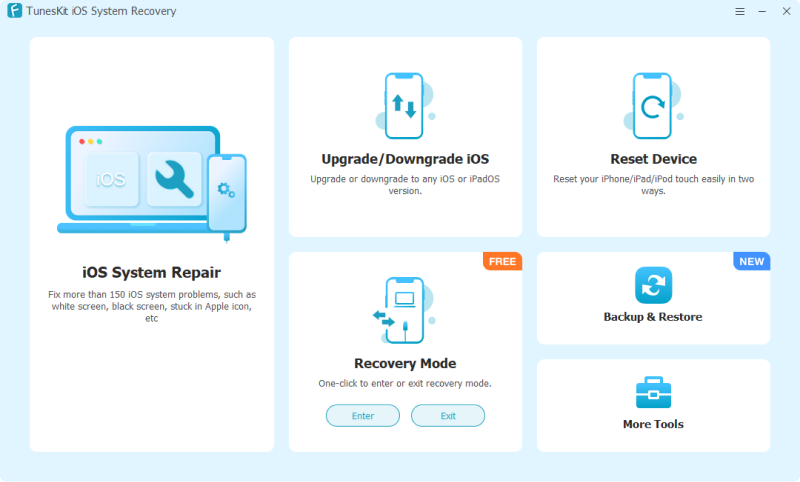
Step 1. Launch TunesKit iOS System Recovery
Connect the iPhone with a computer and run TunesKit iOS System Recovery. Click the iOS System Repair button. On the next page, click the Start button.
Step 2. Choose Standard Repair
Select Standard Repair first. This mode is designed to repair common iOS problems while keeping your existing data.

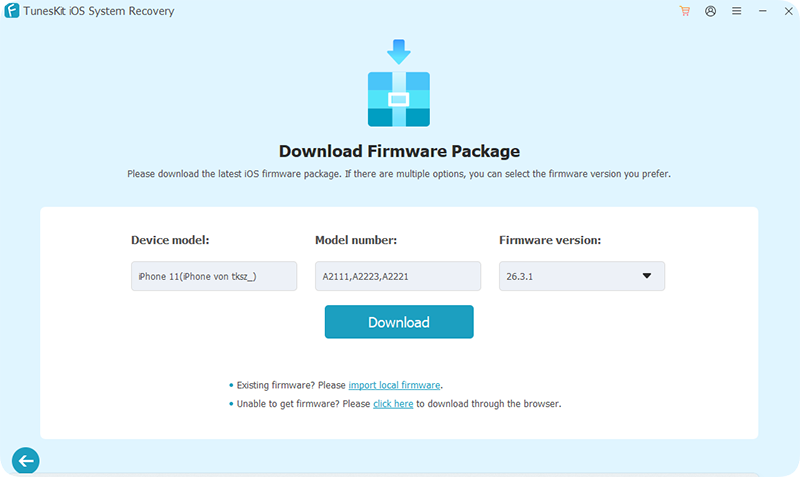
Step 3. Download the Firmware Package
Confirm that the displayed iPhone model and system information are correct. Then click Download to obtain the compatible firmware package.
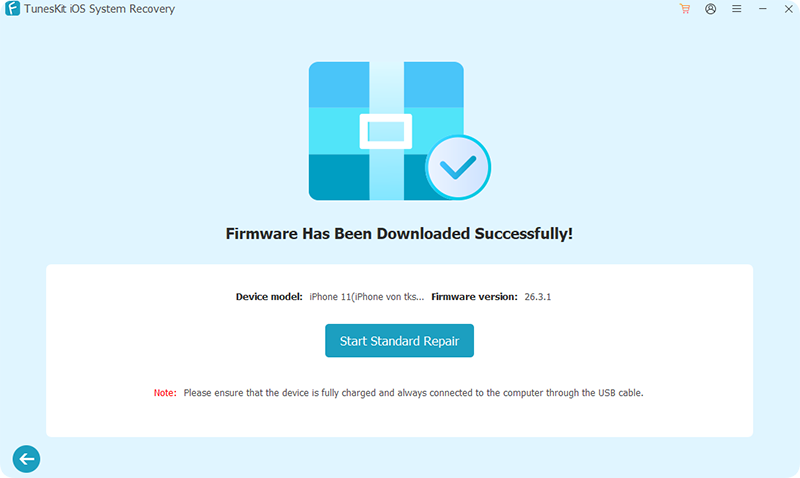
Step 4. Fix iPhone Slow Charging Issues
After downloading the latest firmware package, you'll need to tap the Start Standard Repair button to repair your iPhone.
Conclusion
iPhone charging slow is a complaint from many iPhone users. The reasons for this are many, which change from unit to unit. It further relies on how an individual is handling the phone. We have seen seven different solutions today, which will help you fix the issue. You can try each one to check which one is helping you out. Alternatively, you can use the TunesKit iOS System Recovery tool to solve the charging issue without losing any data right at home!