


iPhone No Sound When Charger Plugged In? 12 Real Fixes
Plugging in your iPhone and hearing total silence instead of the familiar charging chime is a common frustration. This usually happens in two ways: either the chime itself is missing upon connection, or plugging in the charger unexpectedly mutes all other audio on your device.
A silent iPhone rarely means your hardware is permanently broken. This guide provides 12 proven troubleshooting steps, starting with the quickest fixes and moving toward advanced system repairs to get your audio back to normal.

- Why Your iPhone Has No Sound When Charger Is Plugged In?
- How to Fix iPhone No Sound When Charging [12 Solutions]
- Fix 1. Turn Off Silent Mode
- Fix 2. Check Sounds & Haptics Settings
- Fix 3. Disconnect Bluetooth Devices
- Fix 4. Restart Your iPhone
- Fix 5. Force Restart Your iPhone
- Fix 6. Clean the Charging Port Safely
- Fix 7. Try a Different Cable and Adapter
- Fix 8. Reset All Settings
- Fix 9. Update to the Latest iOS Version
- Fix 10. Repair iOS System-Level Audio Glitches [Zero Data Loss]
- Fix 11. Voice Memos & Speaker Test
- Fix 12. Contact Apple Support
- FAQs Related to iPhone No Sound While Charging
- Bottom Line
Why Your iPhone Has No Sound When Charger Is Plugged In?
If your iPhone stays silent when plugged in, the issue usually lies in a breakdown between the physical connection and the iOS software trigger. Here are the five most common reasons this happens:
- 01 Silent Mode or Low Ringer Volume: The charging chime is a system alert, not media audio. If your phone is set to Silent, or if your Ringer volume is turned all the way down, the chime will be muted.
- 02 Audio Is Redirected to Bluetooth or CarPlay: If your phone is paired with AirPods, a Bluetooth speaker, or your car's infotainment system, the chime may be playing through those devices instead of your phone's built-in speakers.
- 03 Active Focus Mode: Specific Focus Modes, such as Sleep or Do Not Disturb, are designed to suppress system sounds to prevent distractions. Depending on your configuration, these modes can silence the power connection tone entirely.
- 04 Debris in the Charging Port or Faulty Cable: If pocket dirt blocks the pins in your charging port, or if you are using a non-MFi certified cable, the connection may be too weak to trigger the audio cue, even if the battery icon appears.
- 05 iOS Firmware Glitches: Sometimes a software bug prevents the sound event from firing. This often happens after an iOS update or due to corrupted system files.
Try TunesKit iOS System Recovery
Instantly fix the iPhone no sound when charger plugged in issue without data loss. It can fix 150+ various iOS system-related issues in a few clicks.
 600,000+ Downloads
How to Fix iPhone No Sound When Charging (Step-by-Step)
The following solutions are ordered logically from the quickest settings checks to advanced system repairs. Work your way down this list to isolate and resolve the missing charging sound.
Fix 1. Turn Off Silent Mode
The most common reason for a silent charge is simply leaving the physical switch in the wrong position. To turn off Silent Mode on your iPhone, the method depends on whether you have a newer model with the Action Button or an older model with the traditional Ring/Silent Switch.
-
For Models with a Ring/Silent Switch
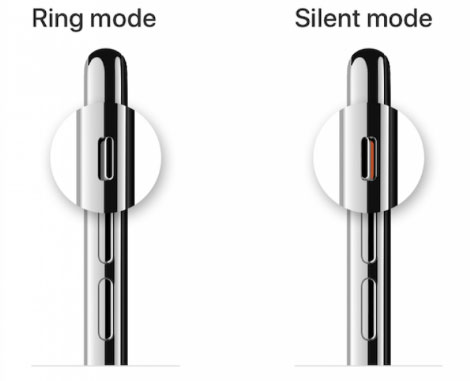
Most iPhones (iPhone 14 and earlier) have a physical switch on the top-left side of the device.
Step 1. Locate the switch above the volume buttons.
Step 2. If you see a strip of orange, your phone is currently on Silent.
Step 3. Flip the switch toward the screen so the orange is no longer visible to enable Ring Mode.
-
For Models with an Action Button
If you have an iPhone 15 series or later, the physical switch has been replaced by a customizable button.
Step 1. Press and hold the Action Button (located above the volume buttons) to toggle Silent Mode on or off.
Step 2. You will see a visual confirmation in the Dynamic Island at the top of the screen or an on-screen alert indicating whether the device is now on "Ring" or "Silent".

-
Using Control Center (All Models)
If your physical switch or button is broken, or if you prefer a software-based approach, you can try this.
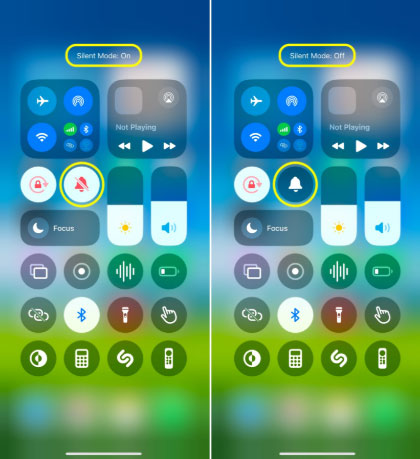
Step 1. Swipe down from the top-right corner of your screen to open the Control Center.
Step 2. Look for the Bell icon.
Step 3. If the icon is red with a slash through it, tap it to turn off Silent Mode and re-enable system sounds.
Fix 2. Check Sounds & Haptics Settings
If the physical switch is set correctly, your software volume settings might be misconfigured. The charging chime is tied directly to your Ringer and Alerts volume, not your media playback volume.
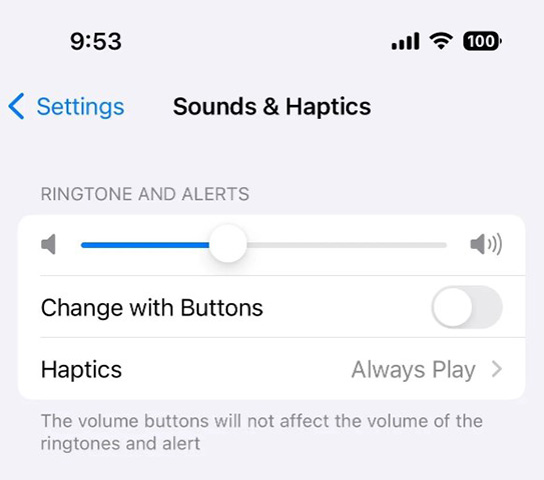
- Step 1. Open the Settings app and tap on Sounds & Haptics.
- Step 2. Locate the Ringtone and Alert Volume slider and drag it to the right to increase the volume.
- Step 3. Scroll down and ensure the System Haptics toggle is turned on. This haptics toggle controls both the physical vibration and the associated system audio cues for power connections.
Fix 3. Disconnect Bluetooth Devices
Your iPhone might be playing the charging sound perfectly but routing it to a connected device in another room. Disconnecting Bluetooth ensures audio plays exclusively through the built-in speaker.
- Step 1. Open Settings and tap on Bluetooth.
- Step 2. Toggle the Bluetooth switch off completely. Alternatively, you can tap the "i" icon next to specific devices like AirPods or car stereos and select "Disconnect". Plug your charger in again to see if the sound returns.

Fix 4. Restart Your iPhone
A standard restart is incredibly effective at clearing out temporary software bugs that suppress system audio.
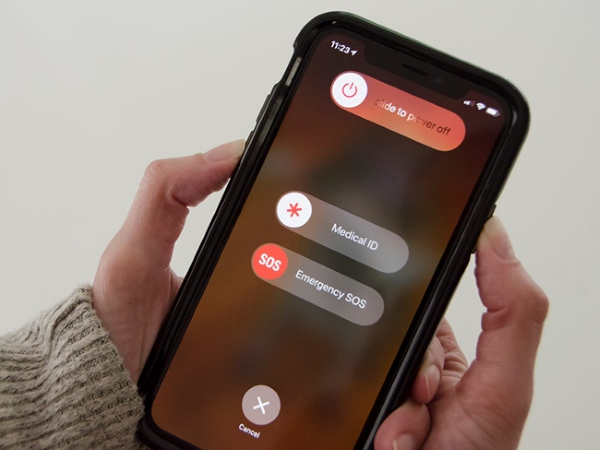
- Step 1. Press and hold either Volume button and the Side power button simultaneously until the power-off slider appears.
- Step 2. Drag the slider to the right to turn off your device.
- Step 3. Wait about 30 seconds, then press and hold the side button to turn your iPhone back on.
Fix 5. Force Restart Your iPhone
When a standard restart doesn't work, a force restart clears the active memory and forces the operating system to reboot at a hardware level. This is entirely safe and will not delete any of your data.
- Step 1. Quickly press and release the Volume Up button.
- Step 2. Quickly press and release the Volume Down button.
- Step 3. Press and hold the Side power button until the screen goes black and the Apple logo appears.

Fix 6. Clean the Charging Port Safely
Pocket lint and dirt can block the metallic pins inside the port, preventing the clean electrical connection required to trigger the charging sound. You must remove this debris very carefully.
- Step 1. Shine a bright light into the port to locate any blockages.
- Step 2. Use a can of compressed air in short bursts to dislodge loose dust.
- Step 3. For stubborn lint, gently use a wooden or plastic toothpick to sweep it out.
 Note
Note
Never use a metal tool like a paperclip or SIM ejector, as this can permanently short-circuit the connection pins.

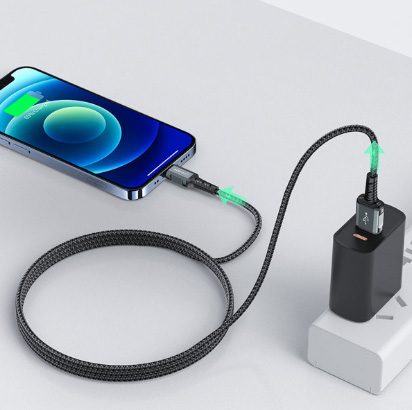
Fix 7. Try a Different Cable and Adapter
A damaged cable or a non-certified adapter can deliver inconsistent power, which often fails to trigger the iOS charging event properly.
- Step 1. Swap out your current cable for an official Apple or MFi-certified Lightning or USB-C cable.
- Step 2. Connect the cable to a different power adapter.
- Step 3. Plug the adapter directly into a known working wall outlet, bypassing any power strips or low-voltage computer USB ports.
Fix 8. Reset All Settings
If deep-seated software conflicts are to blame, resetting your configuration can restore default audio behaviors. This process removes saved Wi-Fi networks, Bluetooth pairings, and custom preferences, but it will not delete your photos, messages, or apps.
- Step 1. Navigate to Settings, then tap General.
- Step 2. Scroll to the bottom and select Transfer or Reset iPhone, then tap Reset.
- Step 3. Choose Reset All Settings and enter your passcode to confirm.

Fix 9. Update to the Latest iOS Version
Apple frequently releases firmware patches specifically designed to resolve audio routing bugs and system glitches. Running outdated software leaves you vulnerable to these known communication errors.
- Step 1. Go to Settings, then tap General.
- Step 2. Select Software Update.
- Step 3. If an update is available, tap Update Now.

Fix 10. Repair iOS System-Level Audio Glitches (Advanced Software Fix)
If none of the basic methods work, you may be dealing with firmware corruption or a deeper iOS system abnormality. This approach makes sense if the issue began after an iOS update, if the charging sound previously worked perfectly, or if you are experiencing other minor system glitches simultaneously. In such cases, a dedicated system repair solution like TunesKit iOS System Recovery can be highly effective.
It is a fantastic repair tool to overcome 150+ iOS software problems in a jiff without having any technical knowledge. I have tried this software successfully fixing the iPhone screen recording no sound, iPhone no sound on calls, etc. More importantly, it can fix all these problems without losing data.
The following are the quick steps to fix iPhone no sound when charger plugged in with TunesKit.
Step 1 Installation and Connection
Connect your iPhone with the Mac or PC via a USB. Install and open TunesKit iOS System Recovery. It will detect your iPhone automatically. Then choose iOS System Repair and click the Start button.

Step 2 Select Standard Mode
Choose Standard Repair mode. It allows you to fix a bunch of common iOS issues without losing all the data on your iPhone.

Step 3 Download and Verify Firmware Package
Next, you should check your device info first and then press the Download button to download the appropriate firmware package.

Step 4 Start to Fix iPhone No Sound When Charging
Click the Repair button to start fixing the issue. At the end of this progress, you should see the message — Repair Completed on the screen.

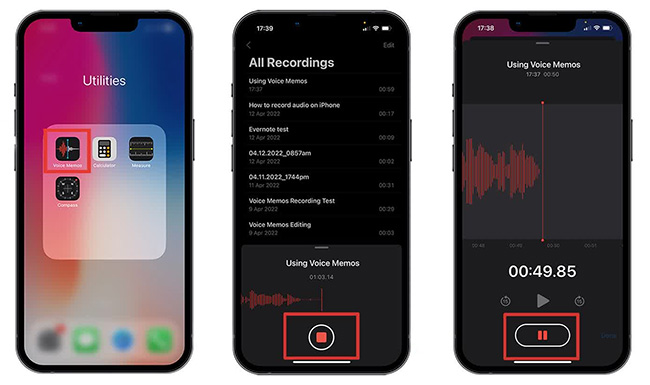
Fix 11. Voice Memos & Speaker Test
Before assuming the worst, verify exactly when the sound is failing. This helps isolate whether the issue is isolated to the charging event or indicative of a broader speaker failure.
- Step 1. Open the Voice Memos app and record a brief audio clip.
- Step 2. Play the recording back through the built-in speaker.
- Step 3. Plug and unplug your charger while the audio is actively playing. Confirm whether the sound cuts out only when the charger connects, or if the speaker is completely dead across all applications.
Fix 12. Contact Apple Support
When all software troubleshooting and basic hardware checks have been exhausted, professional intervention is required.
You should book an appointment with an Apple Authorized Service Provider if your speaker fails consistently across all apps. You should also seek professional help if the charging port is visibly damaged or if your device is displaying a persistent liquid damage warning.

FAQs Related to iPhone No Sound While Charging
-
Why does my iPhone have no sound when I plug in the charger?
Your iPhone likely has no charging sound because it is set to Silent Mode via the physical side switch. Other common causes include a low ringer volume, active Bluetooth connections redirecting the audio, a dirty charging port, or a temporary iOS software glitch preventing the alert.
-
How do I turn on charging sound on iPhone?
To enable the charging sound, first ensure the physical switch on the side of your iPhone is pushed toward the screen (Ring Mode). Then, go to Settings > Sounds & Haptics, turn up the "Ringtone and Alert Volume" slider, and ensure "System Haptics" is toggled on.
-
Can Bluetooth stop charging sound?
Yes. If your iPhone is connected to a Bluetooth speaker, AirPods, or a car stereo, iOS will automatically route the charging sound to that external device instead of the built-in speaker. Disconnecting Bluetooth will restore the sound to your phone.
-
Why does my iPhone stop playing music when charging in my car?
When you plug your iPhone into a car's USB port, the vehicle's infotainment system initiates a USB audio override. This forces the iPhone to pause current media and route all future audio outputs through the car's speakers, awaiting your command from the dashboard.
-
Can a system repair fix charging sound issues?
Yes, if the issue is caused by a software glitch or firmware corruption. Tools like TunesKit iOS System Recovery can repair the system layer and restore proper audio routing. However, software cannot fix hardware damage like a broken speaker or a permanently damaged charging port.
Bottom Line
By systematically checking your physical switches, cleaning out the charging port, and verifying your audio routing, you can eliminate the vast majority of the iPhone no sound while charging issue in just a few minutes.
For those rare instances where a deeper software bug is suppressing your system alerts, running a dedicated repair tool like TunesKit iOS System Recovery provides a safe, data-preserving solution.


