


How to Fix iTunes Error 1/ Error -1 with Ease
If you're seeing "This iPhone could not be restored. An unknown error (-1) occurred", you're not alone. This issue, commonly known as iTunes error -1, can be frustrating and even alarming at first. While this error is often associated with baseband problems, it can also be caused by software issues in many cases.
The good news is that you may not need to visit an Apple Store or pay for expensive repairs right away. There are several troubleshooting methods you can try first. In the following section, we'll walk you through practical tips and fixes to resolve iPhone restore error -1.

Why Does iTunes Error 1/-1 Occur
Before jumping into fixes, it's helpful to understand what causes this error. Common reasons include:
- Corrupted or failed iOS update
- Baseband firmware issues
- Outdated or incompatible version of iTunes
- USB connection problems
- System conflicts on your computer
How to Fix iTunes Error 1/-1 (Step-by-Step)
Now that we've explored the possible causes behind iTunes Error 1/-1, it's time to move on to the solutions. In the following section, we'll walk through a series of practical, step-by-step methods to help you resolve the issue effectively.
Way 1. Update iTunes to the Latest Version
iTunes Error 1/-1 may be caused by an outdated iTunes version. So, an update should help, and ensure you have an active connection when you're doing this.
- Step 1. Launch your iTunes and click "Help → Check for Updates" (for Mac, click "iTunes → Check for Updates").
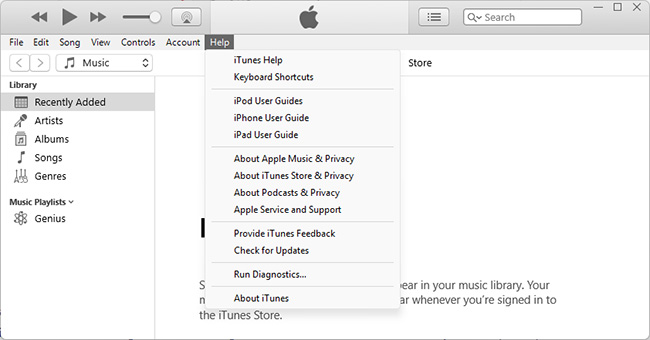
- Step 2. Download and install the latest version of iTunes.
Way 2. Download the IPSW File
IPSW files can also be used by users to fix iPhone error 1. You can update your device via iTunes using this file, which is a raw iOS update file. It may be a more time-consuming and tedious solution, but in case it works, why not? Following these steps will help you implement it:
- Step 1. Firstly, download the IPSW file for your iOS device. Ensure you get the correct file for your device model.
- Step 2. Plug your iPhone and launch iTunes. Hit on the Summary section and while pressing the Shift key. Then click on the "Update" button. If you are using a Mac, then hold the Option (Alt) and command keys while clicking.
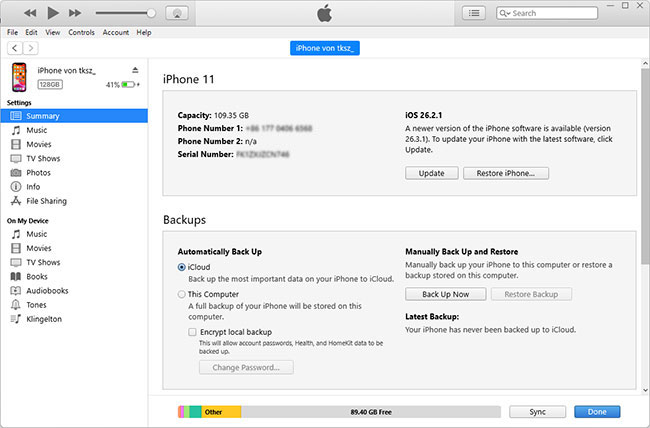
- Step 3. On next screen, a browser will open where you can find the saved IPSW file. You can use the IPSW file to update your phone, just load the file and follow on-screen instructions.
Way 3. Deactivate Your Antivirus
Antivirus software is one of the biggest barriers to the solutions here working. A firewall built into this software could prevent data from downloading to your device, which can harm your phone. After updating your antivirus, then turn off the protection until the restore process is complete. You should also disable the firewall on your computer.
- Step 1. Starting from the system's Control Panel → System and Security → click on Windows Defender Firewall. In a different Windows version, the feature can be found elsewhere as well.
- Step 2. Select Turn Windows Defender Firewall on or off option in the left panel, under Private network settings and Public network settings, just check the "Turn off Windows Defender Firewall(not recommended)" option.
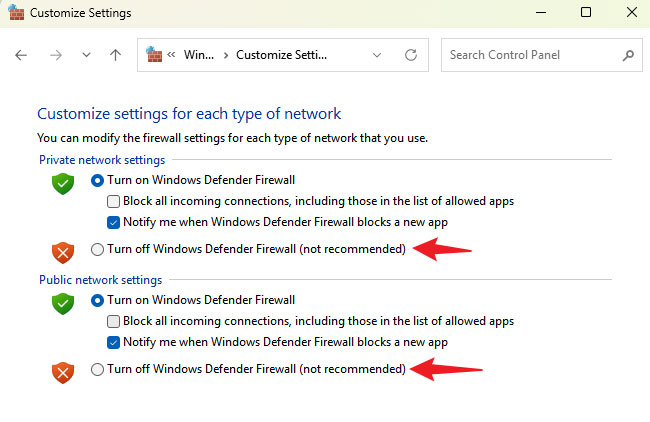
- Step 3. Confirm your choices and exit the screen. Restart your system and reconnect your phone to iTunes again.
 Note
Note
Once your iPhone is successfully restored, remember to go back and Turn On your firewall and antivirus protection to keep your computer safe.
Way 4. Easily Fix iTunes Error 1/-1 via TunesKit iOS System Recovery
However, if none of the above-mentioned methods works, then the only choice left is to use third-party programs. TunesKit iOS System Recovery is one the most thorough iOS issues repair utilities that you could ever find. You can do a lot more than just fix iPhone restore error -1, but for the purpose of resolving any other iDevice 150+ issues, such as iTunes Error 0xE800002D, iTunes Error 42408, iPad stuck on the Apple Logo screen, iPhone stuck in recovery mode, and more, the particular functionality on TunesKit iOS System Recovery will suffice.
Use TunesKit iOS System Recovery's iTunes Repair feature to resolve Error -1 quickly and completely free—no technical skills required.
 600,000+ Downloads
Following the guide, step by step so you may use it in a better way.
Step 1Installation and Connection
Download and install the TunesKit iOS System Recovery on a PC or Mac, then connect your device to the same computer with a USB cable. Launch the software, and you will see your device has been automatically identified. At this point, you will need to click on iTunes Repair function.

Step 2 Start to Repair
Click the Repair button, it will automatically begin re-registering components and fixing the connection protocols that often trigger Error 1/-1.
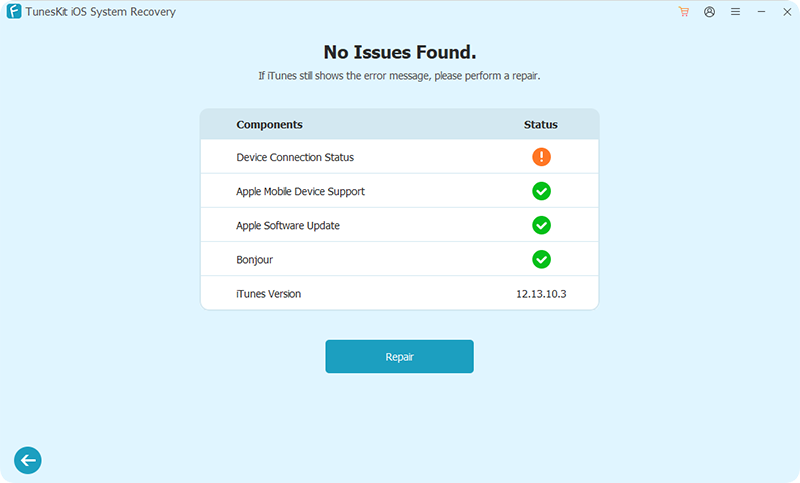
Step 3iTunes Error 1/-1 Repaired
Once the repair is successful, restart iTunes and attempt to restore your iPhone again to see if the communication gap has been closed.

Way 5. Try Another Computer
Sometimes error (-1) is caused by low-level system issues on your computer, such as corrupted drivers, faulty USB ports, or conflicts within iTunes. Using a different computer helps rule out these factors.
- Step 1. Disconnect your iPhone from the current computer. Connect your iPhone to another computer using a USB cable.
- Step 2. Open iTunes (or Finder on macOS Catalina and later). Put your iPhone into Recovery Mode or DFU Mode.
- Step 3. Attempt to restore your iPhone again. Check whether the error (-1) still appears.
Note
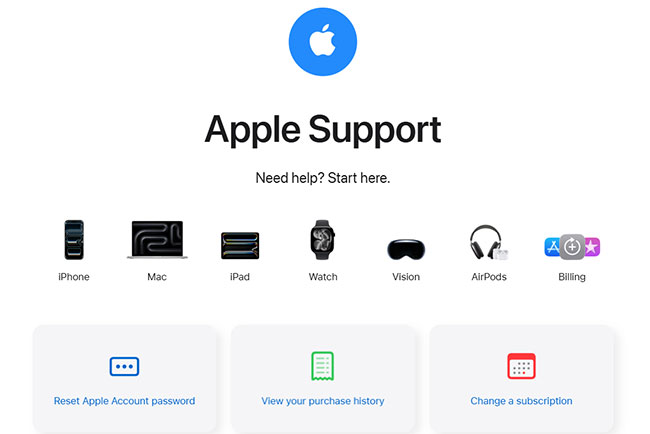
If the restore works on another computer, the issue is likely with your original system. If the error persists, contact Apple Support for further assistance.
FAQs About iTunes Error 1/ Error -1
-
What is the difference between iTunes Error 1 and Error -1?
While they look similar, they typically represent different stages of a communication failure. Error 1 often occurs when the firmware being installed is not compatible with the device or the hardware is failing to respond to an update command. Error -1 is more specific to the Baseband IC (the chip that controls cellular/Wi-Fi) failing to "wake up" or respond during a restore.
-
Why does my antivirus cause iTunes Error -1?
Security software is designed to monitor and intercept suspicious data traffic. During an iPhone restore, iTunes sends massive amounts of data to the device. An over-active firewall might see this as a "packet flood" and block the connection, causing the hardware to time out and trigger the error.
-
Is Error -1 related to a "No Service" or "Searching" issue?
Frequently, yes. If your iPhone was showing "No Service" or "Searching" in the top corner before you tried to restore it, this is a major red flag. It indicates the baseband chip was already failing. When you attempt to restore a phone with a dead baseband, iTunes will hit a wall and return Error -1.
The Final Verdict
By performing all the above-explained instructions, you can easily fix iPhone restore error (-1). We'd strongly recommend using TunesKit iOS System Recovery to resolve iOS issues without losing data. If none of these methods work, the problem is probably hardware-related. It's time to visit your local Apple store. Maybe you are allowed to get the device replaced if it's still under warranty. However, if you need any assistance or get stuck in the process, we are available 24 hours a day to help.


