


How to Fix iPhone Orange Screen of Death?
If your iPhone suddenly gets stuck on an orange screen and stops responding, you may be experiencing the iPhone orange screen of death. This issue can appear after an iOS update, a battery shutdown, a system crash, or even a hardware problem. In some cases, a simple restart may bring the device back to normal. If the orange screen remains, this guide explains the possible causes and practical ways to fix the problem.
- What Causes the iPhone Orange Screen of Death?
-
How to Fix iPhone Orange Screen of Death
- Tip 1. Turn Off Color Filters
- Tip 2. Turn Off Night Shift and True Tone
- Tip 3. Force Restart Your iPhone
- Tip 4. Update iOS to the Latest Version
- Tip 5. Fix iPhone Orange Screen Without Data Loss with TunesKit iOS System Recovery HOT
- Tip 6. Update iPhone in Recovery Mode
- Tip 7. Restore iPhone in DFU Mode
- Tip 8. Contact Apple Support for Hardware Repair
- FAQs About iPhone Orange Screen of Death
- Conclusion
What Causes the iPhone Orange Screen of Death?
Before trying the fixes, it helps to understand what may cause the iPhone orange screen of death. In most cases, the problem is related to an iOS system error, display issue, or hardware malfunction.
Common causes include:
- 01 iOS update or software glitches: A failed or interrupted iOS update may cause abnormal screen colors or make the iPhone unresponsive.
- 02 System crashes: Temporary iOS errors can affect the display and leave the device stuck on an orange screen.
- 03 Display or connection problems: A damaged screen, loose display connector, or faulty internal component may cause an orange tint or full orange screen.
- 04 Battery or power issues: An unstable battery or power-related failure may prevent the iPhone from starting normally.
- 05 Physical or liquid damage: Drops, impact, or internal damage can affect the display and other hardware components.
The right solution depends on whether the issue comes from iOS or the hardware, so you can start with the software fixes below before considering professional repair.
 Further Reading: 7 Best Solutions to Fix iPhone Blue Screen of Death
How to Fix iPhone Orange Screen of Death
The right fix for the iPhone orange screen of death depends on whether your display simply has an orange tint or the entire iPhone is frozen on an orange screen. If you can still use the device, start by checking the display settings. If the screen is completely unresponsive, skip to the force restart and system repair methods below.
Tip 1. Turn Off Color Filters
If your iPhone still responds to touch but everything on the screen looks unusually orange, check Color Filters first. This Accessibility feature changes how colors appear on the display, and an accidentally enabled filter or Color Tint can make the screen look orange or reddish.
Follow these steps to disable it:
- Step 1. Open Settings on your iPhone.
- Step 2. Go to Accessibility > Display & Text Size.
- Step 3. Tap Color Filters.
- Step 4. Turn off Color Filters if it is enabled.
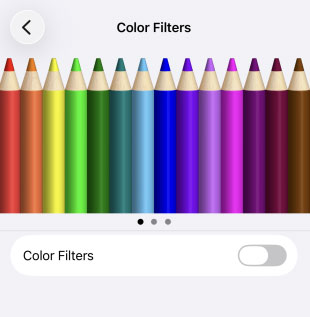
The display should immediately return to its normal colors. If the orange tint remains, continue with the next method.
Tip 2. Turn Off Night Shift and True Tone
Night Shift intentionally shifts the iPhone display toward warmer colors, which can give the screen a yellow or orange appearance. True Tone also adjusts the display's color and intensity according to the surrounding light. Temporarily disabling both features can help determine whether the orange screen comes from display settings rather than an iOS failure.
To turn them off:
- Step 1. Open Settings > Display & Brightness.
- Step 2. Tap Night Shift and turn off Scheduled and Manually Enable Until Tomorrow if either option is enabled.
- Step 3. Return to Display & Brightness.
- Step 4. Turn off True Tone.
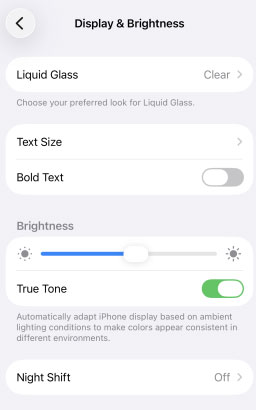
If the screen returns to normal, the orange color was caused by a display setting. If your iPhone is frozen or the entire screen remains orange, try a force restart.
Tip 3. Force Restart Your iPhone
A temporary iOS crash can cause the display to freeze or show abnormal colors. A force restart shuts down the current frozen session and restarts the device without deleting your photos, apps, or other personal data, so it is one of the safest fixes to try when your iPhone is stuck on an orange screen. Apple also recommends force restarting an iPhone that is frozen or unresponsive.
Use the button combination that matches your iPhone model.
For iPhone 8 and Later
- Step 1. Press and quickly release the Volume Up button.
- Step 2. Press and quickly release the Volume Down button.
- Step 3. Press and hold the Side button.
- Step 4. Release the Side button when the Apple logo appears. It may take longer than 10 seconds.
For iPhone 7 and iPhone 7 Plus
- Step 1. Press and hold the Volume Down and Side buttons at the same time.
- Step 2. Keep holding them until the Apple logo appears, and then release both buttons.
For iPhone 6s, iPhone 6, iPhone SE (1st generation), and Earlier Models
- Step 1. Press and hold the Home and Side/Top buttons simultaneously.
- Step 2. Release both buttons when the Apple logo appears.

If the iPhone starts normally but the orange screen returns, an iOS issue may be involved.
Tip 4. Update iOS to the Latest Version
If the iPhone orange screen of death appeared after a system glitch or an unsuccessful update, installing a newer stable iOS version may replace problematic system files and fix known software bugs.
If your iPhone is still usable, the easiest way is to go to Settings > General > Software Update. Then tap the Update Now button if there is a new iOS version.
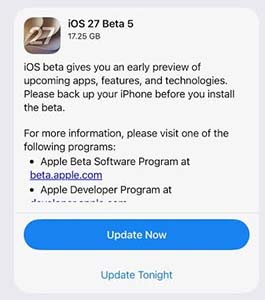
When the orange screen prevents normal operation, you can also update the device with a computer.
- Step 1. Connect your iPhone to your computer with a USB cable.
- Step 2. Open Finder on a Mac or the Apple Devices app on a Windows PC. Older Windows setups may still use iTunes.
- Step 3. Select your iPhone.
- Step 4. Open the Summary section and choose Update.
- Step 5. If an update is available, choose Download and Update and follow the instructions.
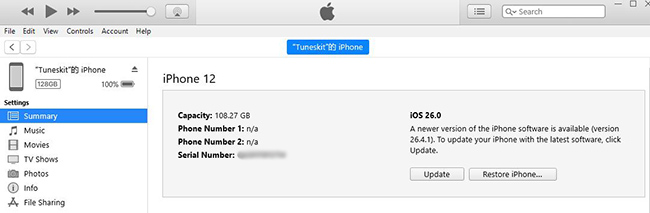
Keep the iPhone connected until the update is complete. If the computer cannot recognize the device or the update fails, move on to a system repair method.
Tip 5. Fix iPhone Orange Screen Without Data Loss with TunesKit iOS System Recovery
Although there were numerous solutions available when your iPhone screen turned orange, many iPhone owners still can't determine the root of the problem. Luckily, there is software that helps you diagnose issues with your iPhone quickly.
TunesKit iOS System Recovery may detect more than 150 issues, including iPhone boot loops, red screen, and green screen of death, among others. What's more astonishing would be that TunesKit won't wipe your data throughout the repair procedure. It works quickly and effectively. It can also be used to fix problems with iPads, iPods, and iPhones.
Key Features of TunesKit iOS System Recovery
It offers a professional solution for the iPhone orange screen of death by repairing the device's OS, effectively resolving the glitch without data loss.
 600,000+ Downloads
Let's look at how to utilize TunesKit to fix your iPhone stuck on orange screen.
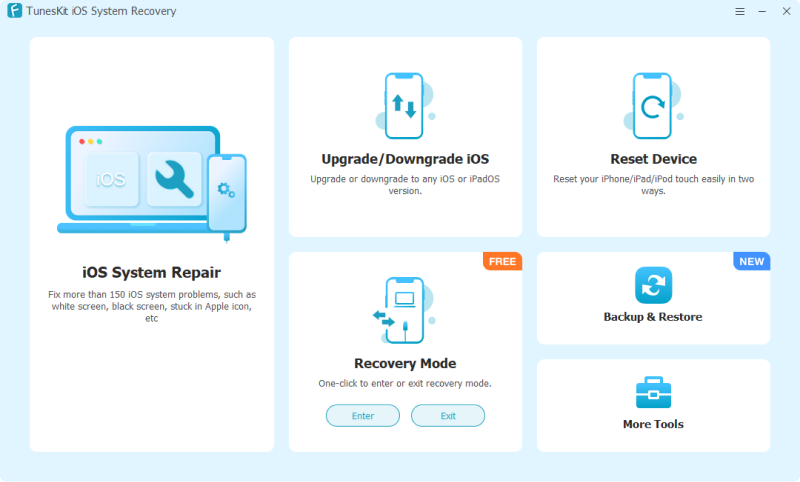
Step 1. Connect Your iPhone
Launch TunesKit iOS System Recovery and connect your iPhone to the computer. Choose iOS System Repair, and then click Start button.
Step 2. Choose Standard Repair
Select Standard Repair. Standard Repair is the preferred option here because it is designed to repair common iOS system problems without erasing existing data.

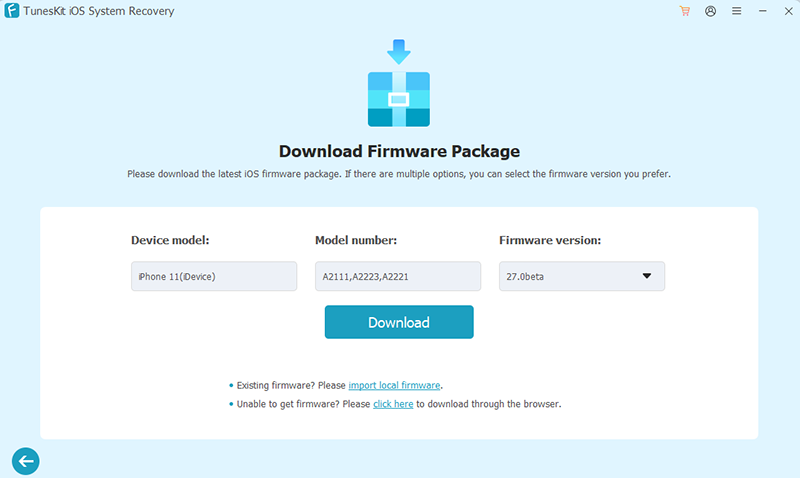
Step 3. Download the Firmware Package
Follow the on-screen instructions if your iPhone needs to enter Recovery Mode or DFU Mode. Confirm the detected device model and firmware information, and then click Download.
Step 4. Repair the Orange Screen
After the firmware has been downloaded and verified, click Start Standard Repair. Keep your iPhone connected until the repair is complete. The device should restart automatically when the process finishes.

Tip 6. Update iPhone in Recovery Mode
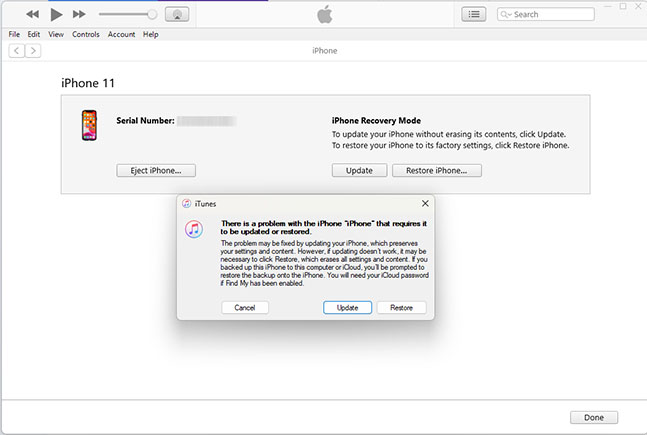
If the iPhone remains stuck on the orange screen and cannot boot normally, Recovery Mode allows a computer to reinstall iOS even when the system cannot start correctly. When you are given the choice between Update and Restore, try Update first because it attempts to reinstall iOS without immediately erasing your data.
- Step 1. Connect the iPhone to a Mac or Windows PC.
- Step 2. Open Finder on Mac or Apple Devices on Windows.
- Step 3. Put your iPhone into Recovery Mode using the appropriate button combination.
- Step 4. Locate the iPhone on your computer.
- Step 5. When you see the option to Update or Restore, choose Update first.
- Step 6. Allow the computer to download and reinstall iOS, and keep the device connected until the process finishes.
Tip 7. Restore iPhone in DFU Mode
If the iPhone orange screen of death still remains after trying the previous fixes, you can restore the device in DFU Mode. DFU Mode allows the iPhone to communicate with a computer without fully loading iOS, making it useful for deeper firmware-related problems. However, restoring in DFU Mode will erase all data and settings, so back up your iPhone first whenever possible.
For iPhone 8 and later:
- Step 1. Connect your iPhone to a Mac or Windows PC and open Finder or Apple Devices.
- Step 2. Quickly press and release the Volume Up button, then quickly press and release the Volume Down button.
- Step 3. Press and hold the Side button until the screen turns black.
- Step 4. While continuing to hold the Side button, press and hold the Volume Down button for about 5 seconds.
- Step 5. Release the Side button but continue holding the Volume Down button for about 10 seconds.
For iPhone 7 and iPhone 7 Plus:
- Step 1. Connect the iPhone to your computer.
- Step 2. Press and hold the Side button and Volume Down button together.
- Step 3. After about 8 seconds, release the Side button while continuing to hold the Volume Down button.
- Step 4. Keep holding Volume Down until the computer detects the iPhone.
For iPhone 6s, iPhone SE (1st Generation), and Earlier:
- Step 1. Connect the iPhone to your computer.
- Step 2. Press and hold the Home button and Side/Top button simultaneously.
- Step 3. After about 8 seconds, release the Side/Top button while continuing to hold the Home button.
- Step 4. Keep holding the Home button until your computer detects the iPhone.
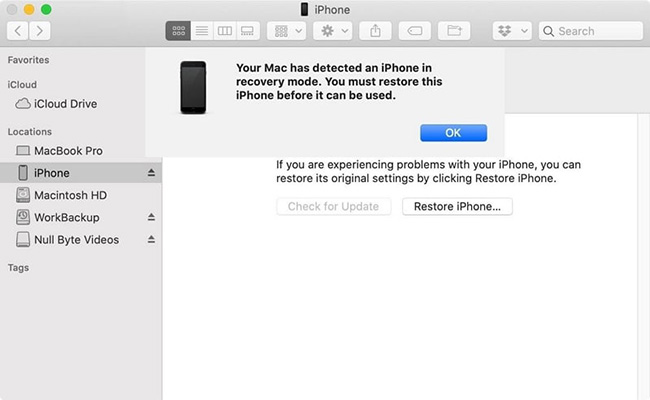
If the screen stays completely black and your computer detects an iPhone in recovery state, the device has entered DFU Mode. Choose OK from a pop-up prompt, and then click Restore iPhone in Finder or Apple Devices and follow the on-screen instructions to reinstall iOS.
 Note
Note
If the Apple logo or Recovery Mode screen appears, the timing was incorrect. Exit the current state and repeat the steps until the iPhone enters DFU Mode successfully.
Tip 8. Contact Apple Support for Hardware Repair
If the orange screen remains even after reinstalling iOS, the problem may be hardware-related rather than a software failure. This is especially likely if the issue appeared after the iPhone was dropped, exposed to liquid, repaired with a replacement display, or developed other screen problems such as flickering or colored lines.
At this point, repeatedly restoring the device is unlikely to address a damaged display or internal component.
- Step 1. Check whether your iPhone is still covered by Apple's warranty or AppleCare.
- Step 2. Contact Apple Support or visit an Apple Store or Apple Authorized Service Provider.
- Step 3. Explain when the orange screen appeared and whether the iPhone suffered any drop, impact, liquid exposure, or previous repair.
- Step 4. Ask for a hardware diagnostic and repair recommendation.

FAQs About iPhone Orange Screen of Death
-
Can the iPhone orange screen of death be fixed at home?
Yes, in many cases. If the issue is caused by a display setting, temporary iOS glitch, failed update, or other software problem, you may be able to fix it with a restart, iOS update, or system repair. If the orange screen is caused by physical or liquid damage, professional repair may be required.
-
Will fixing the iPhone orange screen erase my data?
It depends on the method. Turning off display settings, force restarting, updating iOS, and using a data-preserving repair mode should not erase your data. However, restoring the iPhone in DFU Mode or performing a factory restore will erase all data and settings. Back up your iPhone whenever possible.
-
Is the orange dot on iPhone the same as the orange screen of death?
No. The small orange dot at the top of the iPhone screen is a privacy indicator showing that an app is using the microphone. The iPhone orange screen of death refers to the entire display turning orange, developing an abnormal orange tint, or becoming frozen on an orange screen.
-
Why did my iPhone screen suddenly turn orange?
Your iPhone screen may suddenly turn orange because of Night Shift, True Tone, Color Filters, an iOS glitch, a failed software update, or a display-related hardware issue. If the phone still responds normally, check the display settings first. If the screen is frozen, force restart the iPhone and continue with system repair methods if needed.
Conclusion
Well, there you have it – your ultimate guide to fixing the iPhone Orange Screen of Death. Not only have we listed the many problems that lead you to fix iPhone orange screen of death, but we have also provided solutions to all those issues.
However, if you're still unable to solve the problem, we would highly recommend using the TunesKit iOS System Recovery software. We have also provided a step-by-step guide to ensure you follow the proper steps in figuring out the solution!