


[iPadOS 27] How to Fix iPad Unable to Check for Update?
Is your iPad showing the "Unable to Check for Update" error when you try to update to iPadOS 27? This frustrating issue can prevent your device from checking for or downloading available software updates, even when it's connected to Wi-Fi.
The iPad unable to check for update error can occur for several reasons, including unstable internet connections, temporary Apple server issues, or software glitches. In this guide, we'll explain what causes the error and walk you through practical, step-by-step solutions to get your iPad updating again.

- Why Is Your iPad Unable to Check for Update
-
How to Fix iPad Unable to Check for Update on iPadOS 27
- Method 1: Check Your Internet Connection
- Method 2: Restart Your iPad
- Method 3: Check Apple System Status
- Method 4: Check iPadOS 27 Compatibility
- Method 5: Free Up iPad Storage Space
- Method 6: Reset Network Settings
- Method 7: Update Your iPad Using Finder or Apple Devices
- Method 8: Repair iPadOS with TunesKit iOS System Recovery HOT
- Method 9: Contact Apple Support
- Conclusion
Why Is Your iPad Unable to Check for Update
Here are the most common reasons why the "Unable to Check for Update" error appears when you're trying to install the iPadOS 27:
- 01 Poor Internet Connection: An unstable Wi-Fi connection can prevent your iPad from communicating with Apple's update servers. VPNs, firewalls, or restricted networks may also interfere with the update check.
- 02 Apple Update Server Issues: Apple's update servers may occasionally experience temporary outages or heavy traffic, especially after a major iPadOS release. When the servers are unavailable or difficult to reach, your iPad may fail to check for updates.
- 03 Software Glitches or Incorrect Settings: Temporary system glitches, incorrect date and time settings, or network configuration issues can interfere with the software update process and trigger the "Unable to Check for Update" error.
- 04 Insufficient Storage Space: Low storage space can prevent your iPad from downloading or preparing an iPadOS 27 update. Although this is more commonly associated with download or installation failures, checking your available storage is still an important troubleshooting step.
- 05 Unsupported iPad Model: Not all iPad models support iPadOS 27. If your device isn't compatible with the latest version, the update won't appear as an available option. Make sure your iPad model supports iPadOS 27 before attempting to update.
How to Fix iPad Unable to Check for Update on iPadOS 27
Fortunately, in most cases, the iPad unable to check for update issue can be resolved with a few simple troubleshooting steps. Follow the methods below one by one until your iPad is able to check for and install the iPadOS 27 Beta successfully.
Method 1: Check Your Internet Connection
An unstable or restricted network is one of the most common reasons your iPad can't check for software updates. If your device cannot communicate with Apple's update servers, the update check may fail even when Wi-Fi appears to be connected. Follow these steps to troubleshoot your connection:
- Step 1. Open Safari and visit a website to make sure your iPad has a working internet connection.
- Step 2. Go to Settings > WLAN and connect to a stable network. If possible, try switching to another network.
- Step 3. If you're using a VPN, temporarily disconnect it and check whether the update becomes available.
- Step 4. Restart your Wi-Fi router if your connection is unstable.
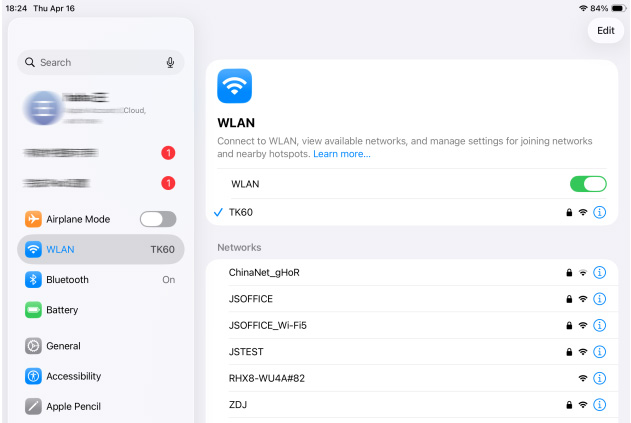
Step 5. Return to Settings > General > Software Update and try checking for iPadOS 27 again.
 Tip
If you're using a school, workplace, or public Wi-Fi network, certain network restrictions may prevent your iPad from reaching Apple's update servers.
Method 2: Restart Your iPad
Sometimes, temporary software glitches can prevent your iPad from checking for updates. Restarting your device can refresh background processes and resolve minor system issues without deleting your data.
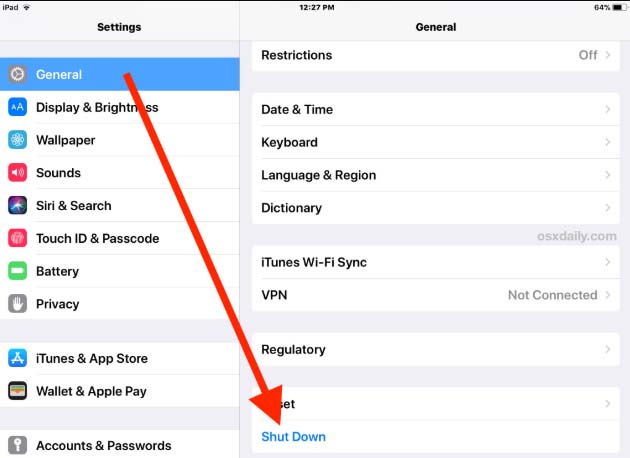
- Step 1. Go to the Settings app on your iPad, tap the General option, and tap Shut Down to turn off your iPad.
- Step 2. Drag the slider to turn off your iPad.
- Step 3. Wait about 30 seconds, then press and hold the top button until the Apple logo appears.
Method 3: Check Apple System Status
Occasionally, the problem may be related to Apple's update servers rather than your iPad. Temporary service interruptions or heavy traffic following a major iPadOS release can interfere with software update checks.
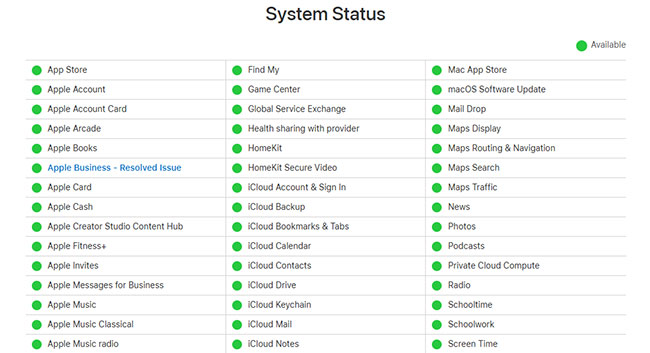
- Step 1. Visit the official Apple System Status page.
- Step 2. Check whether Apple reports any relevant service interruptions.
- Step 3. If an applicable service is experiencing problems, try checking for updates again later.
- Step 4. If no relevant issue is reported, continue with the troubleshooting methods below.
Method 4: Check iPadOS 27 Compatibility
Before updating, make sure your iPad supports iPadOS 27. If your device is incompatible, the latest system version won't be offered through Software Update.
- Step 1. Open Settings > General > About to identify your iPad model.
- Step 2. Compare your device with Apple's official iPadOS 27 compatibility list.
- Step 3. If your iPad is compatible, open Settings > General > Software Update.
- Step 4. Check whether an iPadOS 27 update is available for your device.
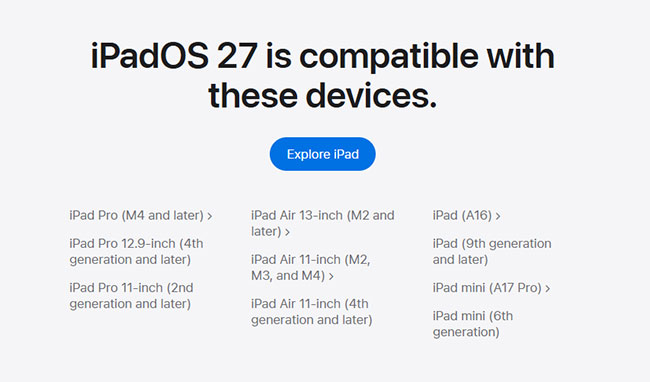
If your iPad doesn't support iPadOS 27, you can still check for the latest software update compatible with your model.
Method 5: Free Up iPad Storage Space
Insufficient storage can prevent your iPad from downloading or preparing a software update. Although low storage is more commonly associated with download or installation failures, freeing up space can help prevent additional update problems.
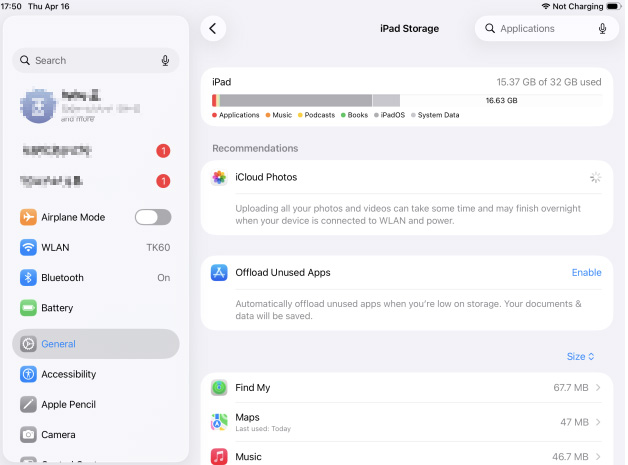
- Step 1. Go to Settings > General > iPad Storage.
- Step 2. Check how much available storage your device has.
- Step 3. Follow any storage recommendations displayed, or use Offload Unused Apps to free up space while keeping the associated documents and data.
- Step 4. Remove unnecessary downloads, large videos, or other files if more space is required.
Tip
The storage required depends on the update and your device. Follow the space requirements shown on your iPad rather than relying on a fixed amount.
Method 6: Reset Network Settings
If your iPad still says "Unable to Check for Update" after trying different Wi-Fi networks, resetting network settings may help resolve incorrect or damaged network configurations. Resetting network settings does not erase your photos, apps, or personal files. However, it removes saved Wi-Fi networks and passwords, along with certain cellular, VPN, and APN settings. Make sure you have your Wi-Fi password before proceeding.
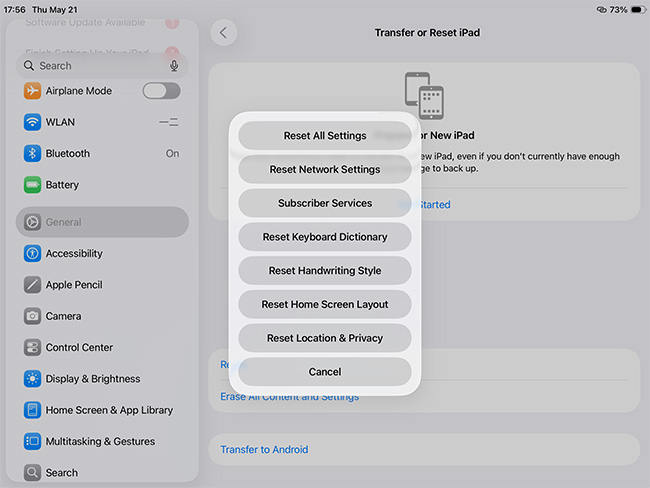
- Step 1. Open Settings > General > Transfer or Reset iPad.
- Step 2. Tap Reset.
- Step 3. Select Reset Network Settings and enter your passcode if prompted.
- Step 4. After the reset, reconnect your iPad to a reliable Wi-Fi network.
Method 7: Update Your iPad Using Finder or Apple Devices
If your iPad cannot check for updates wirelessly, updating it through a computer is another reliable option. Apple's desktop tools allow you to check for and install compatible iPadOS updates without relying on the iPad's wireless update process.
Before proceeding, back up your iPad using iCloud or your computer.
- Step 1. Connect your iPad to your computer using a compatible USB or USB-C cable.
- Step 2. Unlock your iPad and tap Trust if prompted.
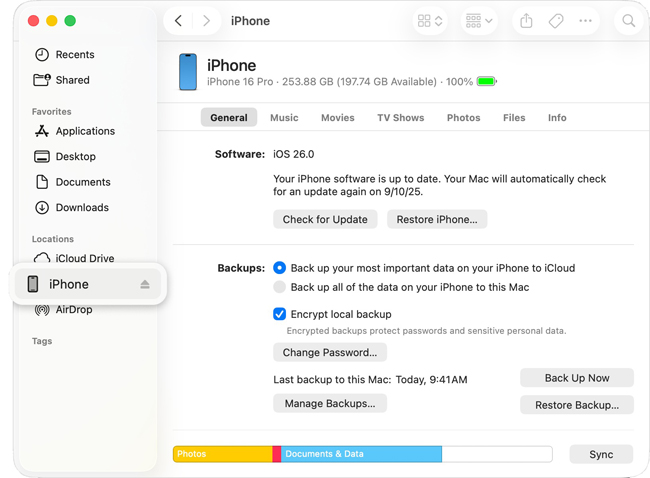
- Step 3. Open Finder on a Mac, or the Apple Devices/iTunes app on Windows.
- Step 4. Select your iPad and navigate to the General or Summary section, depending on the application.
- Step 5. Click Check for Update, then follow the onscreen instructions to download and install the available software.
Keep your iPad connected to the computer until the update is complete.
Note
Your computer still needs a working internet connection to download the update from Apple.
Method 8: Repair iPadOS with TunesKit iOS System Recovery
If your iPad continues to display the "Unable to Check for Update" error after trying the methods above, the issue may be related to a more persistent software problem. In this situation, you can consider using TunesKit iOS System Recovery, a third-party repair tool designed to address various iOS and iPadOS system issues, including devices stuck during updates or experiencing system malfunctions.
It can repair 150+ iOS problems like iPad stuck on Update requested, iPad update failed, and iPad screen issues, etc. In addition, TunesKit iOS System Recovery promises that it will repair the iOS system issues without changing or leaking any of personal info on the device, which guarantees the security of user information. And it's a convenient way without seeking for help from Apple technical specialist.
Repair iPadOS 27 Update Issues Easily
Use TunesKit iOS System Recovery to fix "Unable to Check for Update" and other iPadOS system issues safely without erasing your data.
 600,000+ Downloads
You all have to do is the following four steps:
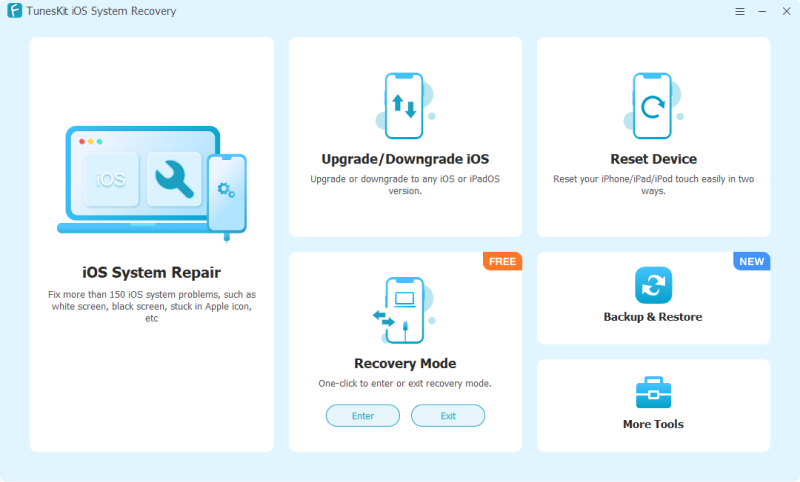
Step 1. Connect Your Device
Launch TunesKit iOS System Recovery and connect your iPhone to the PC. Select the iOS System Repair option. Click on Start.
Step 2. Choose "Standard Repair" Mode
Try "Standard Repair" mode first, because this option will repair most of the system problem on your iPad and will not cause loss of data.

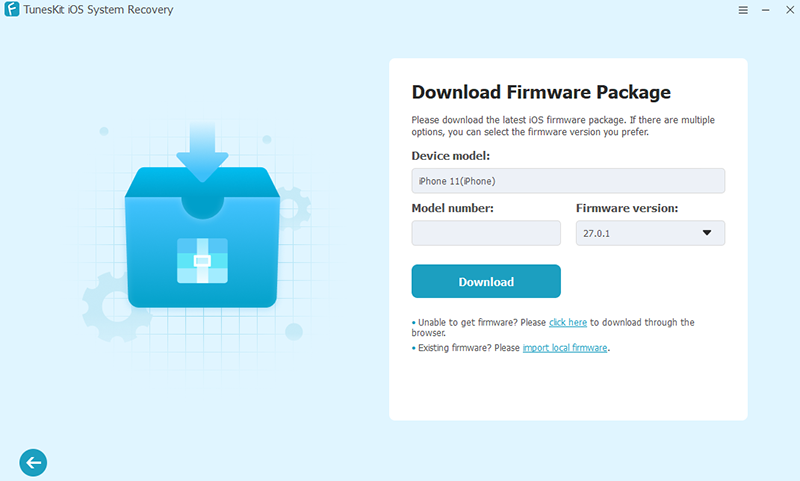
Step 3. Confirm and Download Firmware Package
Confirm device information like device mode, model number etc and select the firmware version needed. Click the Download button.
Step 4. Star to Repair and Wait For Finishing
After downloading the firmware package, click the "Start Standard Repair" button to repair the iOS system. Then waiting for the repair process to finish.

Note
If the issue persists after Standard Repair, choose Deep Repair to fix more severe system problems. Keep in mind that this mode will erase all data on your device, so back up your important data before starting.
Method 9: Contact Apple Support
If none of the methods above resolves the issue, contact Apple Support for further troubleshooting. Persistent update errors may be caused by more complex software, network, or device-related problems that require additional diagnosis.
- Step 1. Visit Apple Support or open the Apple Support app.
- Step 2. Select the iPad section and describe the "Unable to Check for Update" erro
- Step 3. Follow the recommended troubleshooting instructions or arrange further assistance if necessary.
- Step 4. If Apple recommends an in-person inspection, schedule an appointment with an Apple Store or Apple Authorized Service Provider.

Note
When contacting support, provide your iPad model, installed iPadOS version, the exact error message, and the troubleshooting steps you've already tried. This information can help Apple diagnose the problem more efficiently.
Conclusion
The iPad unable to check for update error on iPadOS 27 can often be fixed by checking your network connection, restarting your device, or updating through a computer. If the issue persists, TunesKit iOS System Recovery offers a convenient way to address potential iPadOS system problems without complicated troubleshooting. Try it for free and see if it can help get your iPad updating again.