


8 Useful Ways to Fix iPhone Touch Screen Not Responding
iPhone x touch screen not working all of sudden! Sometimes my touches don't respond, other times a huge lag. Anyone can help?" - a Reddit user
An iPhone touch screen not responding can make it difficult or even impossible to tap, swipe, open apps, or use the device normally. The issue may be caused by a temporary iOS glitch, an unresponsive app, screen accessories, or hardware damage. In this guide, we'll explain the causes and show you 8 practical ways to get your iPhone screen responding to touch again.

- Why Is My iPhone Touch Screen Not Responding
-
8 Useful Ways to Fix iPhone Touch Screen Not Responding
- Method 1. Clean the Screen and Remove Accessories
- Method 2. Force Restart Your iPhone
- Method 3. Fix iPhone Touch Screen Not Responding with TunesKit iOS System Recovery HOT
- Method 4. Update Your Apps and iOS
- Method 5. Free Up iPhone Storage
- Method 6. Reset All Settings
- Method 7. Use Recovery Mode to Update or Restore iPhone
- Method 8. Contact Apple Support for Hardware Repair
- The Bottom Line
Why Is My iPhone Touch Screen Not Responding
The problem may come from a temporary iOS glitch, a dirty or wet screen, a screen protector, insufficient system resources, or hardware damage. Sometimes the entire screen becomes unresponsive, while in other cases only part of the display stops reacting to taps or swipes.
Common causes include:
- 01 Dirty or wet screen: Water, oil, dust, or moisture can interfere with touch sensitivity.
- 02 Screen protector or case interference: A thick, damaged, or poorly fitted protector may prevent the screen from detecting touches correctly.
- 03 Temporary iOS glitch: A system crash or software error can cause the touch screen to freeze.
- 04 Problematic app: If the touch issue happens only in one app, that app may be frozen or incompatible with the current iOS version.
- 05 Outdated or buggy iOS: Software bugs may occasionally affect screen responsiveness.
- 06 Connected accessories: A faulty charger, cable, or USB accessory can sometimes interfere with normal device behavior.
- 07 Low available storage or system overload: When an iPhone is severely low on storage or under heavy system load, it may become slow or temporarily unresponsive.
- 08 Physical or liquid damage: Drops, pressure, cracked screens, or water exposure can damage the display or touch-sensitive digitizer.
8 Useful Ways to Fix iPhone Touch Screen Not Responding
When your iPhone touch screen is not responding, start with simple checks that do not affect your data. Let's try these methods one by one.
Method 1. Clean the Screen and Remove Accessories
Before changing any settings, make sure nothing is interfering with the touch screen. Apple recommends keeping the screen clean and dry, disconnecting Lightning or USB-C accessories, and removing cases or screen protectors when troubleshooting an unresponsive display.
- Step 1. Disconnect your charger, Lightning or USB-C cable, headphones, or any other wired accessory.
- Step 2. Remove the iPhone case and screen protector, especially if the protector is cracked, lifting around the edges, or has dust or air bubbles underneath.
- Step 3. Wipe the screen gently with a soft, lint-free cloth. Make sure both the screen and your fingers are clean and dry.
- Step 4. Try tapping and swiping on different areas of the screen.

Method 2. Force Restart Your iPhone
If the entire screen suddenly freezes, a temporary iOS crash may be preventing the device from responding to touch. A force restart reloads the system without deleting your photos, apps, messages, or other personal data.
- For iPhone 8 or Later: Quickly press and release the Volume Up button. Quickly press and release the Volume Down button. Press and hold the Side button. Release the button when the Apple logo appears.
- For iPhone 7 and iPhone 7 Plus: Press and hold the Side and Volume Down buttons at the same time. Release both buttons when you see the Apple logo.
- For iPhone 6s, iPhone SE (1st Generation), or Earlier: Press and hold the Home and Side/Top buttons together. Release both buttons when the Apple logo appears.

Method 3. Fix iPhone Touch Screen Not Responding with TunesKit iOS System Recovery
There may be some iOS system malfunctions underlying the screen problem. Since it is difficult to identify the exact glitches or bugs, it is recommended to simply conduct a complete restore of your iPhone. But a restore would erase all your personal data, why repair the screen at the cost of the precious personal data? In fact, you don't have to risk your personal data to restore the iPhone.
TunesKit iOS System Recovery is a powerful iOS repair tool that can fix over 150 issues, including iPhone touch screen not responding, iPhone screen keeps dimming, or iPhone keyborad not working. With only 3 simple steps, it can restore your iPhone without data loss. It also supports iOS upgrade and downgrade features, and it works on both Windows and macOS.
Key Features of TunesKit iOS System Recovery
Fix software-related frozen or unresponsive screen problems without data loss
 600,000+ Downloads
Here's how to fix iPhone touch screen not responding using TunesKit iOS System Recovery.
Step 1. Connect iPhone to Computer
Download and install TunesKit iOS System Recovery on your computer. Connect the unresponsive iPhone with a USB cable. Launch TunesKit and select iOS System Repair from the main interface. Then click Start.
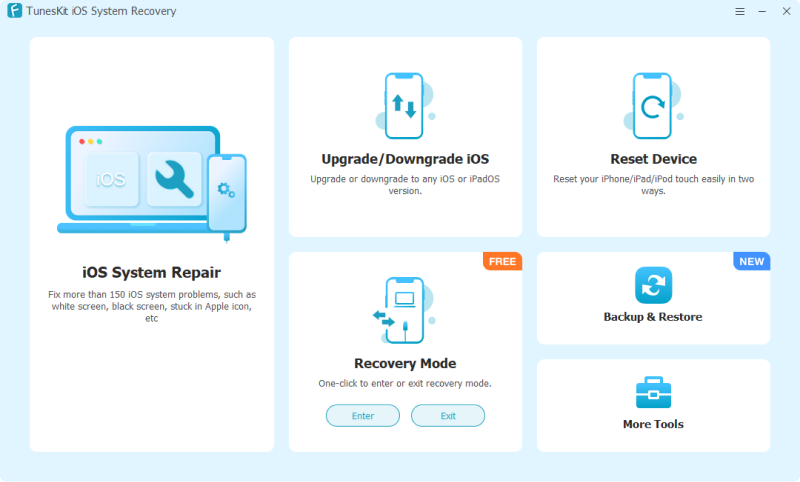
Step 2. Choose Standard Repair
Select Standard Repair first. This mode is designed to repair common iOS system issues without erasing your data. If required, follow the onscreen instructions to put the iPhone into Recovery Mode or DFU Mode.

Step 3. Download Firmware and Fix iPhone Touch Screen Not Responding
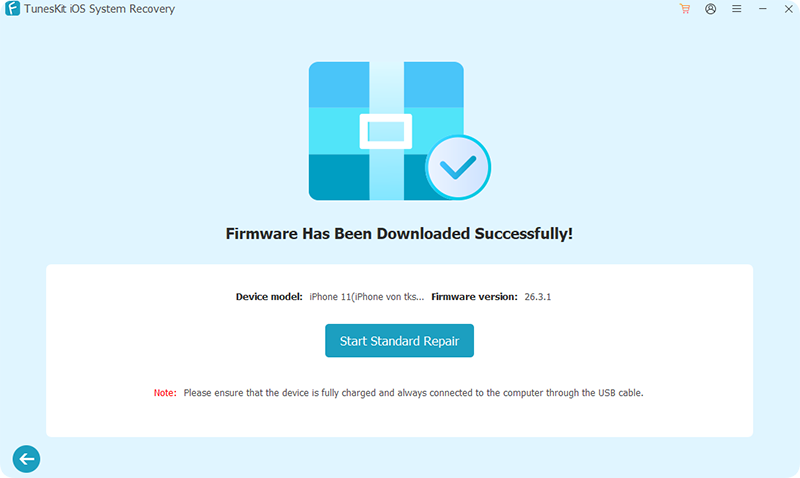
In the next window, you should be able to see the specs of your device, and what you need to do is to ensure the specs information is correct so that TunesKit iOS System Recovery can download the matching firmware. After that, click the Download button to download the firmware package and, in the next window, tap the Start Standard Repair button to start restoring. After a few minutes of waiting, the iPhone screen should function normally.
Method 4. Update Your Apps and iOS
If the touch screen stops responding only when you use a particular app, the app may be frozen, outdated, or incompatible with your current iOS version.
Update the Problematic App
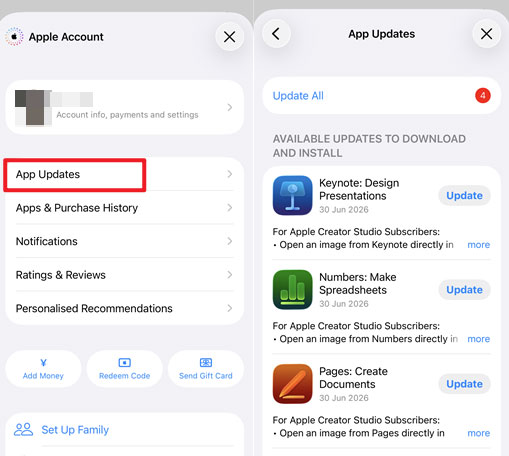
- Step 1. Open the App Store.
- Step 2. Tap your profile picture in the upper-right corner. Tap the App Updates option.
- Step 3. Scroll to the available app updates.
- Step 4. Tap Update next to the problematic app, or choose Update All.
If the issue affects the entire iPhone rather than one app, check for an iOS update.
Update iOS
- Step 1. Go to Settings > General.
- Step 2. Tap Software Update.
- Step 3. If an update is available, tap Update Now.
- Step 4. Keep your iPhone connected to Wi-Fi and power until the update finishes.
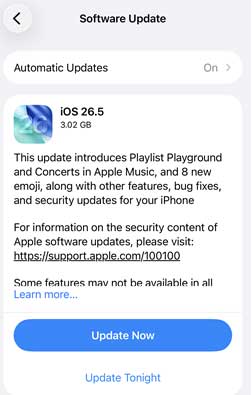
Installing the latest available iOS version can resolve bugs and improve system stability.
Method 5. Free Up iPhone Storage
If your iPhone is extremely low on available storage, the device may become slow or temporarily unresponsive. Apple notes that maintaining available storage can help when an iPhone is running slowly. If the screen still works intermittently, check your available storage and remove unnecessary content.
- Step 1. Go to Settings > General > iPhone Storage. Check how much free storage remains.
- Step 2. Review Apple's storage recommendations if they appear.
- Step 3. Delete or offload apps you no longer use.
- Step 4. Remove large downloaded videos, offline media, or other unnecessary files.
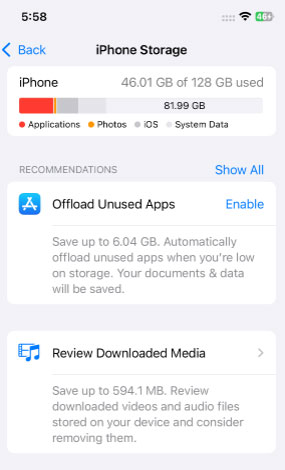
Restart your iPhone afterward and check whether touch responsiveness improves.
Method 6. Reset All Settings
Incorrect system settings can also contribute to unusual iPhone behavior. Instead of erasing the entire device, try Reset All Settings first. This option resets system preferences while keeping your personal content.
- Step 1. Open Settings on your iPhone.
- Step 2. Tap General > Transfer or Reset iPhone.
- Step 3. Tap Reset.
- Step 4. Choose Reset All Settings. Enter your iPhone passcode and confirm.
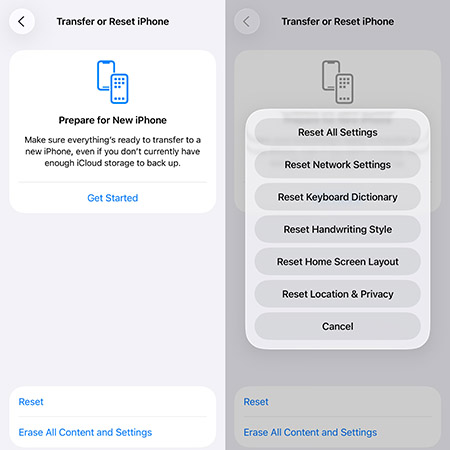
The iPhone will restart after the reset. Test the touch screen again once it turns back on.
Method 7. Use Recovery Mode to Update or Restore iPhone
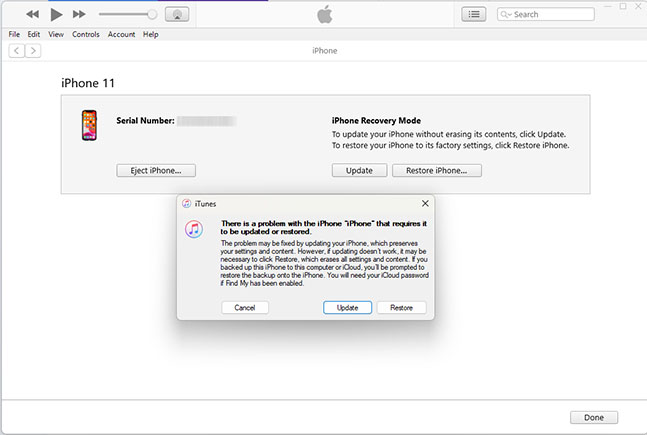
If the iPhone touch screen is completely unresponsive and you cannot troubleshoot through Settings, Recovery Mode lets you reinstall iOS using a computer. Try Update before choosing Restore. A restore erases the data and settings on your iPhone, while updating should be attempted first when available.
- Step 1. Connect your iPhone to your Mac or Windows PC with a USB cable. Open Finder on a Mac or the Apple Devices app on Windows.
- Step 2. Put your iPhone into Recovery Mode.
- Step 3. When your computer detects the iPhone in Recovery Mode, choose Update first if the option is available. Allow the computer to reinstall iOS and then check whether the touch screen works again.
- Step 4. If updating does not solve the problem, repeat the Recovery Mode process and choose Restore. Be aware that restoring the iPhone erases its data and settings and installs a fresh copy of iOS. Back up your data beforehand.
Method 8. Contact Apple Support for Hardware Repair
If none of the software solutions work, the iPhone touch screen not responding problem may be caused by hardware damage. This is especially likely if:
- The screen is cracked.
- The iPhone was dropped or hit.
- The device was exposed to water or other liquids.
- Only one area of the screen responds to touch.
- The display shows lines, flickering, black spots, or other visual damage.
- The problem remains after reinstalling iOS.
Apple recommends arranging service when the screen continues to malfunction after basic troubleshooting.
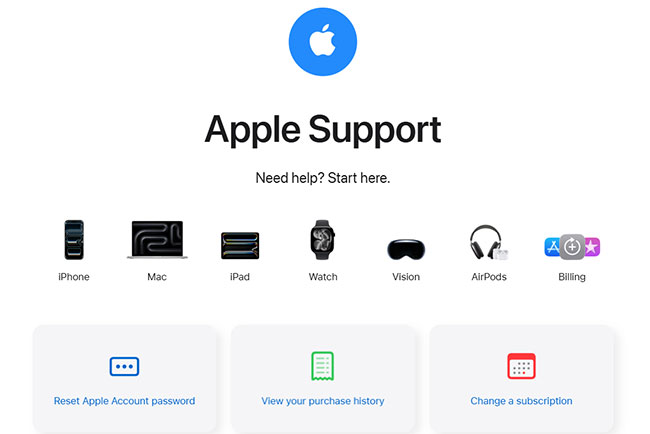
At this point, contact Apple Support, visit an Apple Store, or use an Apple Authorized Service Provider to have the display and internal components inspected. Avoid opening the iPhone unless you have the proper repair experience and equipment.
The Bottom Line
In conclusion, please don't panic when iPhone touch screen not working properly. Just remember there are always ways to make the iPhone screen go back to normal, and using TunesKit iOS System Recovery is the smartest move for iOS users to fix system errors on iPhone.