


Top 10 Ways to Fix iPhone Earpiece Volume Low
Struggling to hear the person on the other end of the line because your iPhone's ear speaker is unexpectedly quiet? You are not alone. A muffled earpiece is one of the most common frustrations Apple users encounter, turning simple phone calls into a daily struggle.
Fortunately, a sudden drop in call volume rarely means your device needs an expensive hardware replacement.
In this guide, we will show you some simple, at-home methods you can try first to restore your crystal-clear sound.

- Why Is My iPhone Ear Speaker So Quiet?
-
10 Ways to Fix iPhone Ear Speaker Low Volume
- Way 1: Maximize Your Active Call Volume
- Way 2: Clean the Ear Speaker Mesh
- Way 3: Force Reboot Your iPhone
- Way 4: Close Conflicting Audio Apps
- Way 5: Turn Off Bluetooth
- Way 6: Disable Phone Noise Cancellation
- Way 7: Disable Headphone Safety
- Way 8: Update Your iPhone to the Latest iOS Version
- Way 9: Reset All Settings
- Way 10: Fix iOS Glitches Without Data Loss HOT
- The Bottom Line
Why Is My iPhone Ear Speaker So Quiet?
If your iPhone ear speaker volume is low, it typically stems from simple software glitches, physical blockages, or accidental settings changes. Identifying the root cause is usually straightforward and rarely requires a professional repair.
- Accidental Volume Adjustments: You may have unknowingly pressed the volume down button while on an active phone call, which specifically lowers the ear speaker sound.
- Dirt and Debris Blockages: Over time, pocket lint, makeup, and dust can easily accumulate in the delicate receiver mesh and physically muffle the audio output.
- Software and Update Glitches: A recent iOS update or a temporary system bug might have unexpectedly altered your audio settings and limited the speaker volume.
- Physical or Water Damage: If your phone recently suffered a hard impact or water exposure, the internal speaker hardware might be disabled or permanently broken.
10 Ways to Fix iPhone Ear Speaker Low Volume
Knowing the possible reasons why this problem occurs, let's explore some common yet effective ways to fix a quiet iPhone ear speaker.
Way 1: Maximize Your Active Call Volume
iPhones use entirely separate volume settings for playing media and making phone calls. This means adjusting the volume slider in your Control Center before dialing will not fix a quiet earpiece. To actually increase your call volume, you must make the adjustment while the phone app is actively in use.
- Step 1. Make or receive a phone call and wait for it to fully connect.
- Step 2. Press the physical Volume Up button on the side of your iPhone until the on-screen slider is maxed out.

Way 2: Clean the Ear Speaker Mesh
Over time, the tiny mesh covering your iPhone's ear speaker acts like a magnet for everyday debris. Pocket lint, dust, and makeup can easily build up and physically block the sound, creating a muffled effect. Because the mesh is delicate, you must be careful when cleaning it to avoid pushing dirt further inside or damaging the hardware.
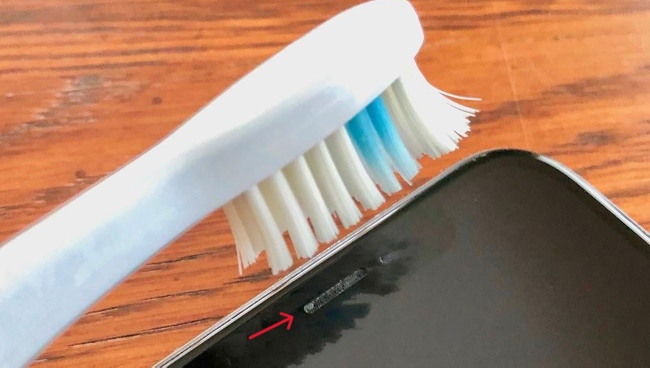
- Step 1. Take a clean, dry, soft-bristled brush, such as an unused toothbrush or a clean makeup brush.
- Step 2. Gently sweep the bristles across the top receiver mesh at an angle to flick out any trapped debris.
 Note:
Note:
Never use liquids, sharp pins, or compressed air, as these can permanently destroy the internal speaker components.
Way 3: Force Reboot Your iPhone
If you are experiencing low volume, an active background app might be occupying the speaker channel. A force restart closes any software that could be interfering with the speaker's functionality.
The process differs slightly depending on your iPhone model:
- For iPhone 8 or later: Quickly press and release the Volume Up button, then quickly press and release the Volume Down button. Finally, press and hold the Side button until you see the Apple logo.
- For iPhone 7 and 7 Plus: Press and hold both the Volume Down button and the Side button simultaneously until the Apple logo appears.
- For iPhone 6s or earlier: Press and hold both the Home button and the Top (or Side) button at the same time until the Apple logo is displayed.

Way 4: Close Conflicting Audio Apps
If you are running multiple media apps simultaneously, iOS may automatically lower your system volume to manage the audio output. Closing these background apps can quickly restore your volume to normal.
- Step 1. Open the App Switcher on your iPhone by swiping up from the bottom of the screen (or double-clicking the Home button on older devices).
- Step 2. Swipe left or right to find the active audio apps, and swipe up on their preview cards to close them.

Way 5: Turn Off Bluetooth
Sometimes, your iPhone routes your call audio to a connected Bluetooth device, leaving your ear speaker silent. Temporarily disabling Bluetooth ensures your phone isn't sending audio to a hidden wireless earbud or smart speaker.
- Step 1. Navigate to the Settings menu on your iPhone.
- Step 2. Choose Bluetooth, and then tap on the toggle to turn it off.

Way 6: Disable Phone Noise Cancellation
Phone Noise Cancellation minimizes ambient background noise to help you hear calls clearly. However, on certain iOS versions, this feature can glitch and inadvertently lower the overall call volume.
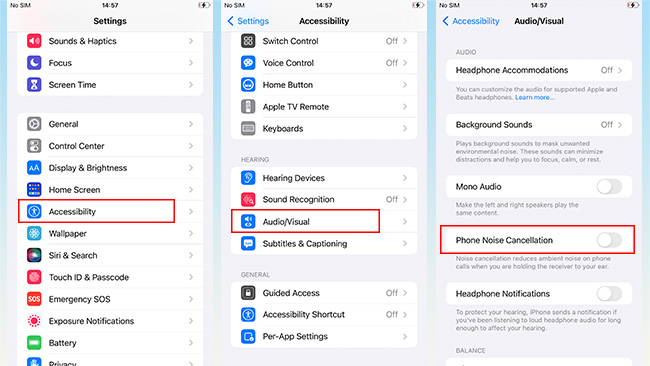
- Step 1. Go to the Settings app and choose Accessibility.
- Step 2. Under the Hearing section, choose Audio & Visual.
- Step 3. Find Phone Noise Cancellation and hit the toggle to disable it.
Way 7: Disable Headphone Safety
Headphone Safety limits the maximum decibel output on your iPhone to protect your hearing. While designed for headphones, a software glitch might cause it to limit your ear speaker volume as well.
- Step 1. Head to Settings > Sounds & Haptics > Headphone Safety.
- Step 2. Tap on the toggle next to Reduce Loud Sounds to disable the limitation.

Way 8: Update Your iPhone to the Latest iOS Version
A low volume issue could be the result of a known bug in an outdated operating system. Apple frequently releases iOS updates to patch these precise audio glitches.
- Step 1. Navigate to the Settings app, select General, and then tap on Software Update.
- Step 2. If there is an update available, choose the Update Now button.
- Step 3. Allow your iPhone to complete the installation and restart to see if the issue is resolved.

Way 9: Reset All Settings
If the low volume error persists, resetting your system settings can clear out deep-rooted software conflicts. This process will not delete your photos or apps, but it will erase saved Wi-Fi passwords and Bluetooth connections.
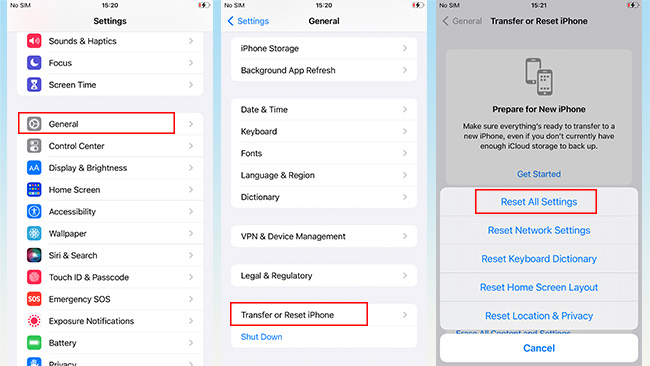
- Step 1. Launch the Settings app on your iPhone.
- Step 2. Tap General > Transfer or Reset iPhone.
- Step 3. Select Reset, followed by Reset All Settings, and enter your passcode to confirm.
Way 10: Fix iOS Glitches Without Data Loss
If you are certain your phone has not been physically damaged, a deeply corrupted system file might be the culprit. A professional third-party tool like TunesKit iOS System Recovery can seamlessly resolve these complex iOS issues — including black screens and audio failures — without erasing your personal data.
This tool bypasses the need for a stressful factory reset by safely repairing the core operating system directly from your computer.
Why Choose TunesKit iOS System Recovery
Fix iPhone ear speaker low issue without losing data. Repair 150+ iOS system problems on iPhone, iPad and iPod touch.
 600,000+ Downloads
600,000+ Downloads
600,000+ Downloads
- Step 1. Download and install TunesKit iOS System Recovery on your computer.
- Step 2. Plug your iPhone into the PC, click iOS System Repair on the main interface, and click Start.
- Step 3. Select Standard Repair to ensure you do not lose any personal data.
- Step 4. Verify your device model on the screen, download the matching firmware package, and hit Start Standard Repair to let the software fix your audio issues.

The Bottom Line
Restoring a quiet iPhone ear speaker is entirely possible with the right troubleshooting steps. The DIY methods listed above resolve the vast majority of volume problems caused by dirt or minor settings errors.
If you want to avoid the hassle of trial and error, TunesKit iOS System Recovery is an incredibly efficient solution. It instantly repairs deep iOS system issues without risking your personal data.