


Top 10 Ways to Fix iPhone Speaker Not Working
The smartphone is like a bridge when it comes to communicating with friends and relatives. But a good phone must be well functioning for effective communication to take place. Listening and speaking is the norm for phone users. But what happens when you experience an iPhone ear speaker not working on calls?.
Don't be too quick to judge your iPhone speaker! Such a problem may result from various issues like a temporary software crash, defective software, or at least a problem with your phone's ear-peace. For the iPhone speaker not working issue, these 10 tips are for your reference.

- Why Is My iPhone Speaker Not Working During Calls?
- How to Fix iPhone Ear Speaker Not Working
- Fix 1. Turn Up the Volume During a Call
- Fix 2. Check Your Screen Protector and Case
- Fix 3. Clean the Speaker Grille
- Fix 4. Check Bluetooth and Audio Output (AirPlay)
- Fix 5. Restart Your iPhone
- Fix 6. Check Silent Switch and Sound Settings
- Fix 7. Update iOS
- Fix 8. Reset All Settings
- Fix 9. Use the Top-Rated Repair Tool—TunesKit iOS System Recovery HOT
- Fix 10. Factory Restore or Contact Apple Support
- FAQs About iPhone Speaker Not Working
- Conclusion
Why Is My iPhone Speaker Not Working During Calls?
If your calls sound muffled, static-filled, or completely silent, you likely have an issue with your iPhone's speaker or audio routing. Because the speakers are exposed, they can easily get blocked or damaged.
The most common reasons for iPhone speaker issues include:
- Dirty or blocked speaker ports
- Audio routing to connected Bluetooth or AirPlay devices
- Device stuck in "Headphone Mode"
- Minor iOS glitches or software malfunctions
- Hardware damage from drops or liquid exposure
How to Fix iPhone Ear Speaker Not Working?
When you cannot clearly hear the person on the other end of a phone call, or if you hear static and crackling noises, your iPhone's ear speaker (the one at the top of your screen) might be malfunctioning. Follow these troubleshooting steps from simplest to most advanced to resolve the issue:
Fix 1. Turn Up the Volume During a Call
It sounds obvious, but the volume might just be turned all the way down. This adjustment must be made actively during audio playback.
- Step 1. Make sure you are currently on an active phone call or listening to a voice message.
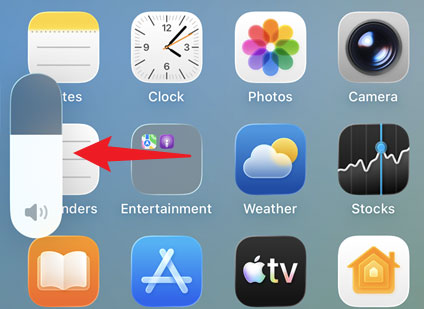
- Step 2. Press the Volume Up button located on the left side of your iPhone.
- Step 3. Check the volume slider on the screen to ensure the audio level is actively increasing.
Fix 2. Check Your Screen Protector and Case
Often, the ear speaker is simply blocked by a misaligned physical accessory.
- Step 1. Often, the ear speaker is simply blocked by a misaligned physical accessory.
- Step 2. Check your screen protector (especially edge-to-edge glass variants) to ensure the cutout is perfectly aligned and not blocking the speaker grille.
- Step 3. Remove the case or screen protector temporarily if you suspect it is causing an obstruction.

Fix 3. Clean the Speaker Grille
The ear speaker is a magnet for dust, lint, and dead skin cells. A physically blocked grille will severely muffle the sound.
- Step 1. The ear speaker is a magnet for dust, lint, makeup, and dead skin cells. A physically blocked grille will severely muffle the sound.
- Step 2. Gently and carefully brush the speaker opening at the top of your screen to dislodge and remove debris.
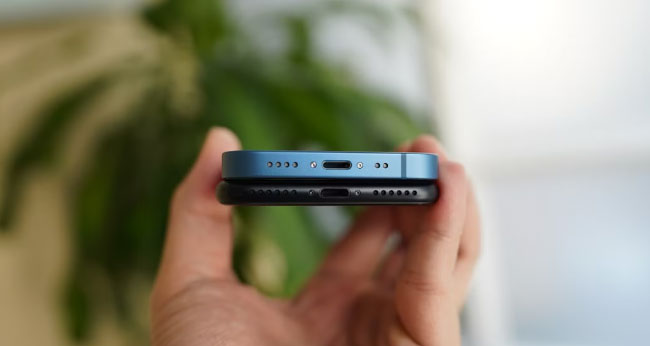
 Warning: Do not use sharp objects like needles or pins, as these can permanently puncture the delicate internal speaker membrane.
Fix 4. Check Bluetooth and Audio Output (AirPlay)
Your phone's audio might be actively routing to your AirPods, a car Bluetooth system, or a smart speaker without you realizing it.
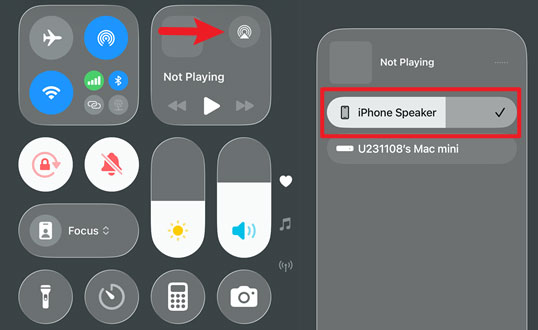
- Step 1. Swipe down from the top-right corner of your screen to open the Control Center.
- Step 2. Tap and hold the audio card located in the top-right corner of the Control Center panel.
- Step 3. Tap the AirPlay icon (a triangle with expanding circles).
- Step 4. Select iPhone from the list to ensure it is the active audio output device rather than a connected Bluetooth device.
Fix 5. Restart Your iPhone
A simple restart can clear out temporary software glitches that might be preventing audio from playing correctly.
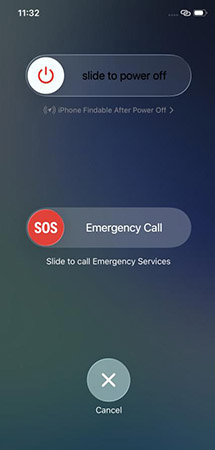
- Step 1. For modern iPhones (no Home button): Press and hold the Side button and either Volume button simultaneously until the power-off slider appears. For older iPhones (with a Home button): Press and hold the Side or Top button until the slider appears.
- Step 2. Drag the power-off slider to the right and wait about 30 seconds for the device to shut down completely.
- Step 3. Press and hold the Side button until the Apple logo appears to turn the device back on.
Fix 6. Check Silent Switch and Sound Settings
While Silent Mode usually doesn't affect the ear speaker during calls, checking your overall audio health is a diagnostic step.
- Step 1. Look at the Ring/Silent switch on the top-left side of your iPhone. If you can see orange, Silent Mode is turned on. Flip the switch toward the screen to disable it.
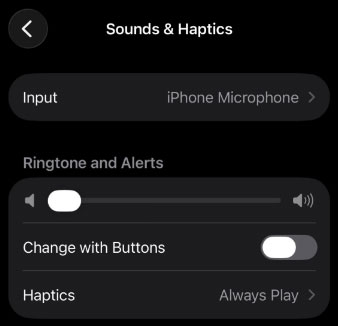
- Step 2. Open the Settings app and tap on Sounds & Haptics.
- Step 3. Drag the Ringtone and Alert Volume slider back and forth to verify that the phone's bottom loudspeaker is functioning normally.
Fix 7. Update iOS
Software bugs can occasionally cause audio routing errors. Apple frequently releases iOS updates to patch these system-level glitches.
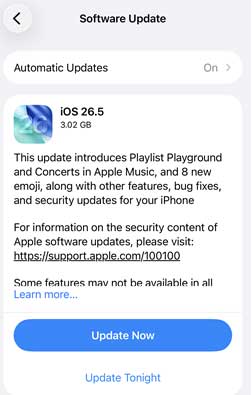
- Step 1. Open the Settings app on your iPhone.
- Step 2. Tap on General.
- Step 3. Tap on Software Update.
- Step 4. Allow the device to check for updates. If one is available, tap the Update Now button.
Fix 8. Reset All Settings
If a deep-seated software conflict is causing the issue, resetting your settings can help. This will not delete your personal data (photos, messages, apps) but will erase saved Wi-Fi passwords, Bluetooth pairings, and system preferences.
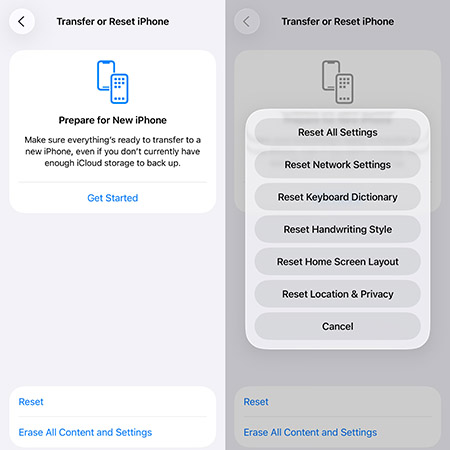
- Step 1. Open the Settings app and tap on General.
- Step 2. Scroll to the bottom and tap Transfer or Reset iPhone.
- Step 3. Tap Reset at the bottom of the screen.
- Step 4. Select Reset All Settings from the pop-up menu and enter your passcode to confirm.
Fix 9. Use the Top-Rated Repair Tool—TunesKit iOS System Recovery [Zero-Loss 100%]
This software can outperform in several ways. These include solving problems from a black screen to iPhone boot loop and Apple logo issues. Mark you; it does these without hurting your data. So, apart from solving the speaker not working on iPhone, you can use TunesKit iOS System Recovery to solve frozen screen, white screen, DFU mode issues, and iOS update failure, among other issues.
Fix iPhone Speaker Not Working
Repair iOS audio and system glitches without data loss, and restore your iPhone speaker to normal quickly and safely.
 600,000+ Downloads
Step 1Connect Your Device to Computer
After downloading and installing the TunesKit iOS System Recovery program on your computer, simply launch it. Then connect your iPhone to the computer with an original USB cord. Press on the iOS System Repair button on the main interface and then choose the Start button to continue.

Step 2Choose Standard Repair
Simply choose the Standard Repair option fix iPhone speaker not working without data loss.

Step 3Download Related iOS Firmware Package
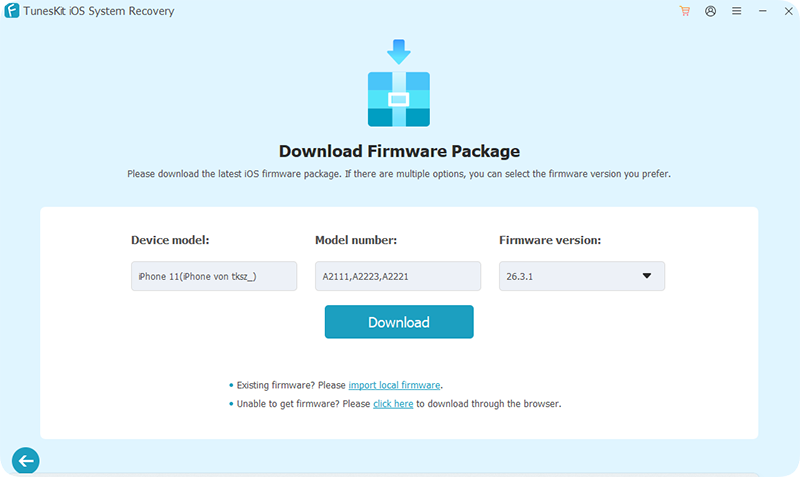
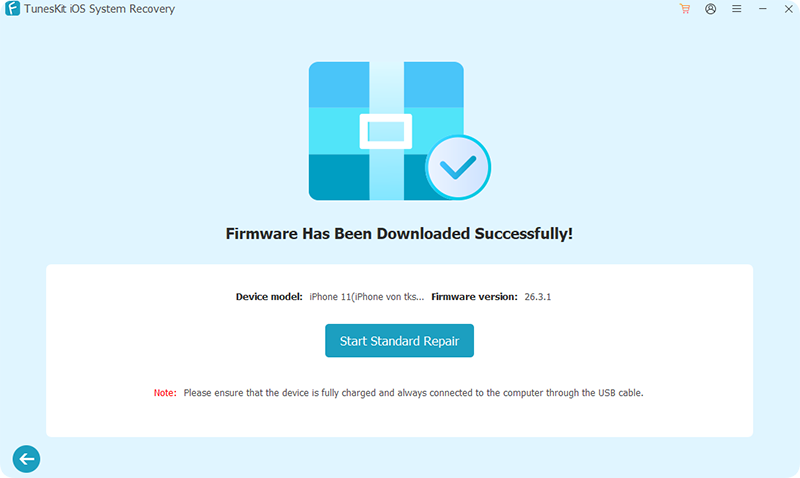
On the next interface, check your device information to make sure all of them are correct. Then click the Download button at the lower right corner to let TunesKit download and verify the firmware package for your device.
Step 4Start to Fix iPhone Speaker Isn't Working
When the download is done, just click the Repair button. TunesKit will start fixing the iPhone speaker problem for you. Keep your device connected during the process. When it comes to an end, your iPhone speaker might recover to normal.
Fix 10. Factory Restore or Contact Apple Support
If none of the above software or basic hardware fixes work, you likely have a damaged speaker flex cable or a motherboard issue (often caused by liquid damage or a hard drop).
- Step 1. Connect your iPhone to a computer and back up your data using Finder (on Mac) or the Apple Devices / iTunes app (on Windows).
- Step 2. Use the computer software to perform a full factory restore of the iPhone to rule out any final software corruption.
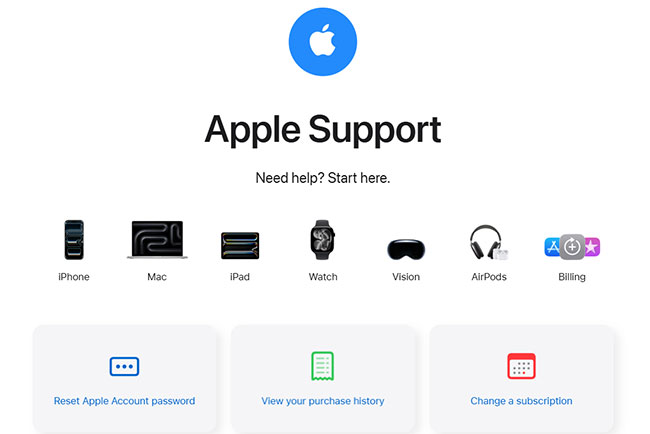
- Step 3. If the ear speaker still fails to work after a fresh system install, contact Apple Support or visit an authorized repair center for professional hardware diagnostics and repair.
FAQs About iPhone Speaker Not Working
-
Can water exposure permanently damage my iPhone speaker?
Yes. While modern iPhones are water-resistant, they are not completely waterproof. If water enters the speaker grilles, it can temporarily muffle the sound. Usually, the sound returns to normal once the water evaporates or is ejected. However, prolonged exposure or exposure to corrosive liquids (like saltwater or soapy water) can permanently degrade or short-circuit the internal speaker components.
-
Why does my speaker work for playing music but not during phone calls?
Your iPhone actually utilizes two distinct speakers: the bottom loudspeaker (used for media, speakerphone, and alarms) and the top ear speaker (used when you hold the phone to your ear during a call). If music plays fine but you cannot hear callers, the issue is specifically isolated to your top ear speaker. It may be blocked by debris, or its internal flex cable may be damaged.
-
How much does it cost to replace a broken iPhone speaker?
Repair costs vary significantly depending on your exact iPhone model and your warranty status. If you have an active AppleCare+ plan, hardware repairs for audio issues are usually covered at a minimal deductible. Without AppleCare+, out-of-warranty speaker repairs through Apple or authorized service providers can range anywhere from $50 to over $150, depending on whether the entire display assembly or logic board needs to be involved.
Conclusion
It is a bad experience for most users to suddenly realize their iPhone speaker not working issue. It doesn't only disrupt communication but may interfere with other iOS features. That's why it's necessary to arrest the issue before it gets out of hand. The aforementioned solutions are tested and proven to solve the underlying issues of the iPhone speaker problem. Especially the feature-rich toolkit — TunesKit iOS System Recovery, which handles over 150 issues on your iPhone.


