


8 Best Ways to Fix iPhone Won't Reset
An iPhone may occasionally fail to reset because of a temporary iOS glitch, insufficient storage, Screen Time restrictions, an unstable connection, or a deeper system problem. Depending on the situation, you may be unable to force restart the device, reset its settings, or erase all content and settings.
If your iPhone won't reset, do not worry. This guide explains the most effective ways to fix the problem, from basic checks and a force restart to updating iOS, restoring the device with a computer, or repairing the system with a professional tool.

- Why Won't My iPhone Reset
-
How to Fix iPhone Won't Reset
- Method 1: Force Restart Your iPhone Correctly
- Method 2: Use the Correct Reset Option
- Method 3: Check Screen Time and Device Management Restrictions
- Method 4: Update iOS
- Method 5: Repair iOS with TunesKit iOS System Recovery HOT
- Method 6: Restore iPhone with Finder or Apple Devices
- Method 7: Restore the iPhone in Recovery Mode
- Method 8: Contact Apple Support
- Summary
Why Won't My iPhone Reset
Your iPhone may fail to reset because iOS is frozen, the device has insufficient battery power or storage, Screen Time restrictions are blocking account changes, or a temporary system error is interrupting the process. An unstable internet connection, Apple Account verification problem, or outdated iOS version may also prevent Erase All Content and Settings from completing.
In more serious cases, damaged system files or hardware problems can make the iPhone unresponsive or cause it to restart repeatedly. The solution depends on whether you are trying to force restart the iPhone, reset its settings, or erase it.
How to Fix iPhone Won't Reset
Before troubleshooting, determine what "reset" means in your situation. A force restart restarts a frozen iPhone without deleting data, Reset All Settings restores system settings to their defaults, and Erase All Content and Settings performs a factory reset and removes your personal data.
Method 1: Force Restart Your iPhone Correctly
If your iPhone is frozen, unresponsive, or will not turn off normally, perform a force restart. The button combination varies by model, so make sure you follow the correct steps.
For iPhone 8 or later, including iPhone SE (2nd generation or later):
- Step 1. Press and quickly release the Volume Up button.
- Step 2. Press and quickly release the Volume Down button.
- Step 3. Press and hold the Side button until the Apple logo appears, then release it.
For iPhone 7 or iPhone 7 Plus:
- Step 1. Press and hold the Side button and Volume Down button together.
- Step 2. Release both buttons when the Apple logo appears.
For iPhone 6s or earlier, including iPhone SE (1st generation):
- Step 1. Press and hold the Home button and the Side or Top button together.
- Step 2. Release both buttons when the Apple logo appears.

 Note
Note
A force restart does not erase your apps, photos, or other personal data.
Method 2: Use the Correct Reset Option
Some users select the wrong reset option or follow an outdated Settings path. Use the steps below according to whether you want to keep or erase your data.
- Step 1. Open Settings and go to General > Transfer or Reset iPhone.
- Step 2. Tap Reset if you only want to reset network, privacy, keyboard, Home Screen, or other system settings.
- Step 3. Tap Erase All Content and Settings if you want to restore the iPhone to factory settings.
- Step 4. Enter your device passcode or Apple Account password when prompted, then follow the onscreen instructions.
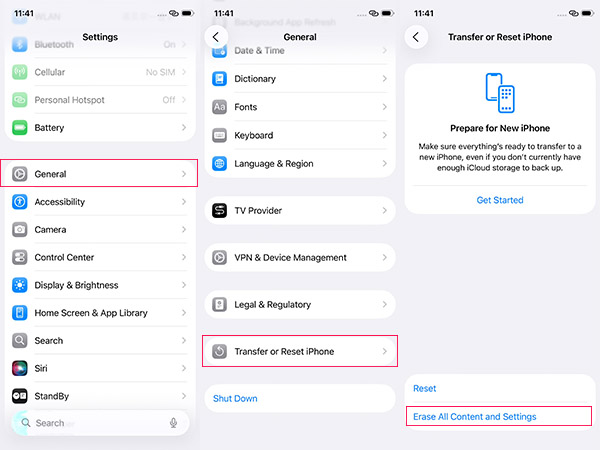
Reset All Settings does not delete your apps or personal files, while Erase All Content and Settings removes the data stored on the device. Back up the iPhone before choosing the erase option.
Method 3: Check Screen Time and Device Management Restrictions
Restrictions may prevent you from signing out of your Apple Account, changing important settings, or erasing a work- or school-managed iPhone.
- Step 1. Go to Settings > Screen Time > Content & Privacy Restrictions.
- Step 2. Scroll to Allow Changes To, tap Accounts, and select Allow.
- Step 3. If "Sign Out is not available due to restrictions" appears, return to Screen Time, tap Change Screen Time Passcode, and turn off the Screen Time passcode.
- Step 4. Go to Settings > General > VPN & Device Management and check whether the iPhone has a management profile.
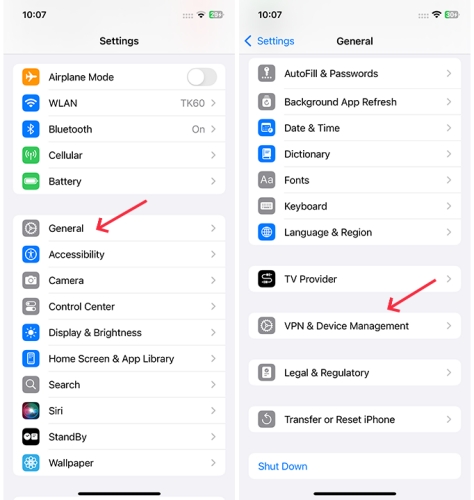
An organization can disable Erase All Content and Settings on a supervised device. Do not remove a work or school management profile without permission; contact the administrator instead.
Method 4: Update iOS
An outdated or unstable iOS installation may interfere with Settings or the reset process. Installing an available update may resolve the software problem without erasing your data.
- Step 1. Back up your iPhone and connect it to power and Wi-Fi.
- Step 2. Go to Settings > General > Software Update.
- Step 3. Tap Update Now button if an update is available.
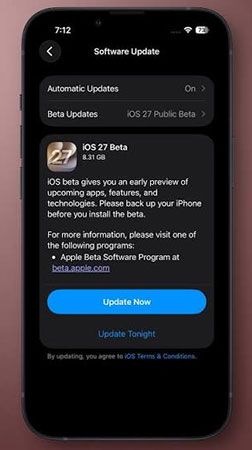
After the update finishes, return to Settings > General > Transfer or Reset iPhone and try again. You can also update the iPhone through Finder on a Mac or the Apple Devices app on Windows if the wireless update does not work.
Method 5: Repair iOS with TunesKit iOS System Recovery
If the above solutions fail to work, then you should definitely try this amazing iOS repairing program -- TunesKit iOS System Recovery. TunesKit iOS System Recovery is one of the best tools to fix the iPhone won't reset problem and other iOS issues such as iPad won't charge, etc. With this program, even amateur users of iPhone can get rid of the problem in no time at all. The best feature of it is that the repairing process will cause no data damage to your device.
Repair iPhone Reset Issues
Fix software problems that prevent your iPhone from resetting with TunesKit iOS System Recovery, using Standard Repair to preserve your data.
 600,000+ Downloads
Step 1. Connect iPhone to PC
Download and install TunesKit iOS System Recovery from the links above. Launch the software, and connect your iPhone to the computer as instructed on the screen. By the time your device is recognized, press the iOS System Repair on the main screen. Then press the Start button to continue.
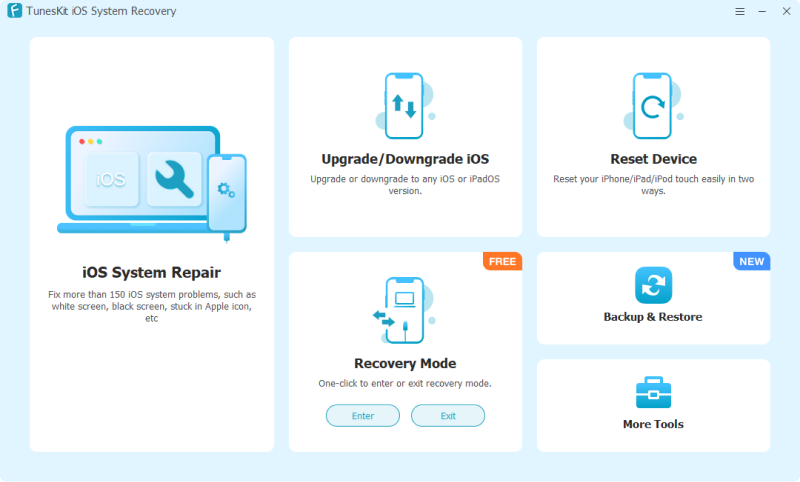
Step 2. Choose A Mode
In the next window, you will see the two boxes of choices, which are the Standard Repair and the Deep Repair. This time, choose the Standard Repair to start fixing.

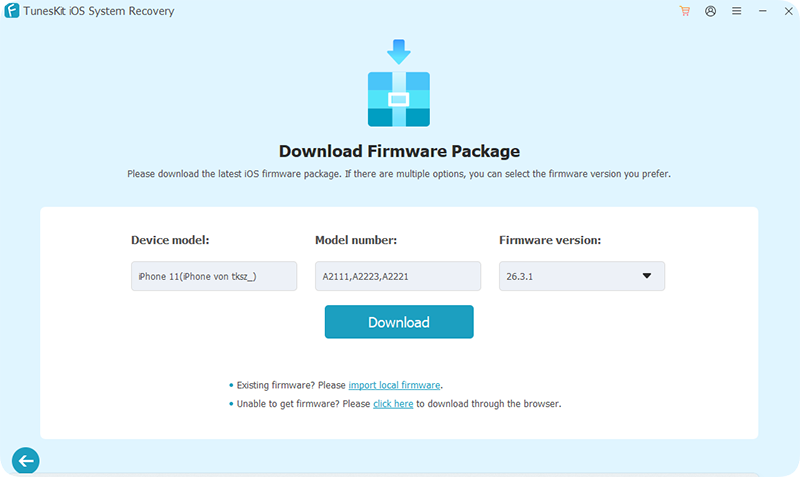
Step 3. Download Firmware Package
Check whether the info of your device displayed on the screen is correct. If so, press the Download button.
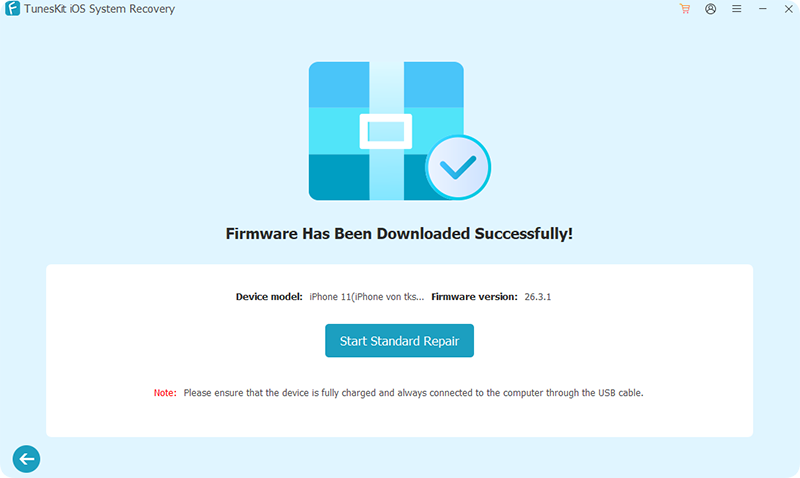
Step 4. Start to Fix
After the firmware is downloaded, press the Start Standard Repair button to unpack the firmware package and repair your iOS. By the time the repairing finishes, your device should be back to normal.
Method 6: Restore iPhone with Finder or Apple Devices
If your iPhone still will not reset through Settings, use a computer to erase it and reinstall the latest version of iOS. This process deletes the device data, so create a backup first if possible.
- Step 1. Turn off Find My iPhone by going to Settings > [your name] > Find My > Find My iPhone.
- Step 2. Connect the iPhone to the computer.
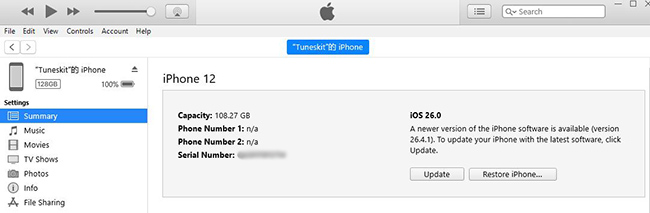
- Step 3. Open Finder on a Mac or the Apple Devices app on a Windows PC. Use iTunes only on macOS Mojave or earlier, or when the Apple Devices app is unavailable.
- Step 4. Select the iPhone when it appears.
- Step 5. Click Restore iPhone. Click Restore again to confirm and wait for the computer to erase the device and reinstall iOS.
Method 7: Restore the iPhone in Recovery Mode
Use Recovery Mode if the iPhone is unresponsive or cannot complete a standard computer restore.
- Step 1. Connect the iPhone to a Mac or Windows computer and open Finder, Apple Devices, or iTunes.
- Step 2. Put your iPhone into Recovery Mode.
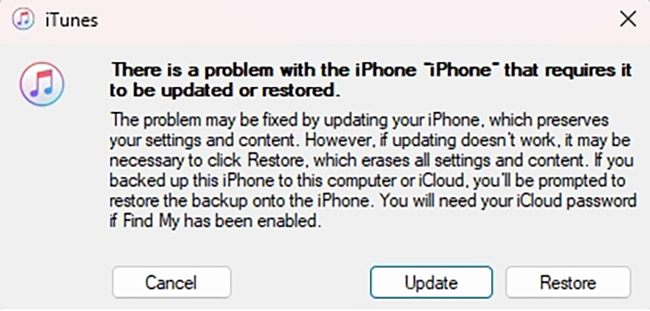
- Step 3. When prompted to choose Update or Restore, select Restore to erase the iPhone and reinstall iOS. Select Update first only when you want to attempt a non-erasing reinstall.
- Step 4. Wait for the process to finish and set up the iPhone again.
Method 8: Contact Apple Support
Contact Apple Support if the iPhone still cannot be forced to restart, updated, or restored in Recovery Mode. Professional service may be necessary when a button is damaged, the computer cannot detect the device, or the problem is caused by the battery, logic board, storage, or another hardware component.
Before requesting service, note any error message or restore code displayed on the iPhone or computer. This information can help Apple identify the problem more quickly.

Summary
When an iPhone will not reset, start with the correct force-restart steps, check restrictions, update iOS, or restore the device with a computer. If the issue is caused by damaged system files, TunesKit iOS System Recovery offers a simpler way to repair iOS and may help resolve the reset problem without erasing data in Standard Repair mode.